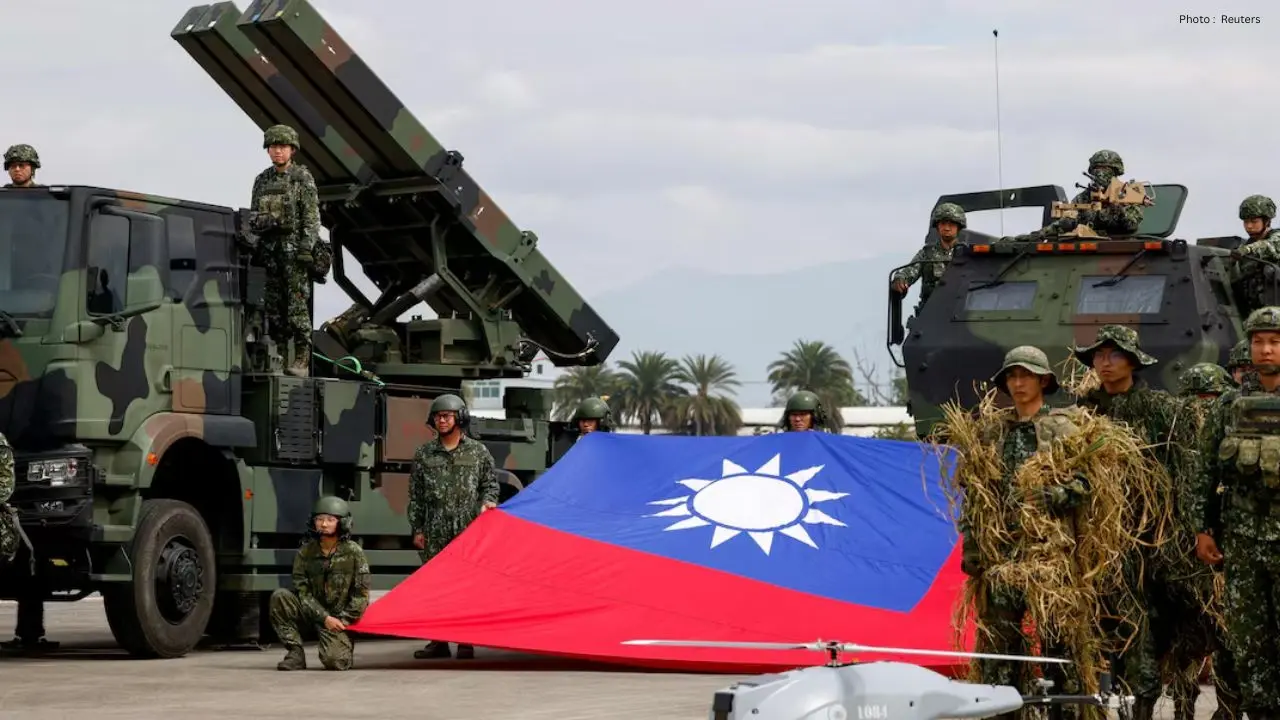
The United States has expressed alarm regarding delays in Taiwan’s military expenditure, cautioning that a lack of investment may hamper the island’s capability to respond to intensifying pressures from China.
This concern grew significant when Taiwan’s opposition-run parliament sanctioned only a fraction of the extensive defence budget proposed by President Lai Ching-te’s administration. The original request aimed at approximately $40 billion in additional military funding, intended to bolster the island's defensive systems and enhance readiness against potential threats from China. Still, only two-thirds of that figure was approved.
A substantial portion of the allocated funds will be dedicated to acquiring weaponry from the United States. However, several domestically developed defence initiatives, such as drone and missile systems, were excluded from the budget. Taiwan’s defence ministry subsequently cautioned that such reductions could leave substantial vulnerabilities in the island's security architecture.
The US has reacted sharply to this delay and funding cut. American officials emphasized that Taiwan requires robust defence capabilities amidst rising military pressures from China. They also warned that any postponement in strengthening Taiwan’s military might be interpreted as a “concession” to Beijing.
China views Taiwan as an intrinsic part of its territory and has reiterated that reunification is a national objective. Over recent years, China has amplified military endeavors around Taiwan, encompassing warplane deployments, naval maneuvers, and military exercises in proximity to the island.
Taiwan’s administration has consistently rebuffed China’s assertions, asserting that the island’s future should be determined by its citizens. Owing to escalating tensions, Taiwan has heavily prioritized military readiness improvements and strengthened ties with the United States.
The budget discussions have also uncovered political rifts within Taiwan. Opposition factions express support for national defence but have criticized the government for a lack of clarity in expenditure plans. They contend that specific projects were marked by a lack of transparency and precise financial insights.
Conversely, members of Taiwan’s ruling party argue that the reduced budget could diminish the island’s defense capabilities amid rising regional tensions. Officials have cautioned that postponements of essential projects may jeopardize air defense systems, drone programs, and future military strategies.
A critical project impacted is Taiwan’s planned missile defense infrastructure, which is anticipated to play a vital role in safeguarding the island against potential attacks. Defence authorities warn that delays in such initiatives could impair military effectiveness and slow technological advancements.
This situation has attracted international scrutiny as Taiwan remains a pivotal issue in US-China relations. Washington stands as Taiwan’s principal military ally, supplying arms and defence technologies to the island, even in the absence of formal diplomatic relations.
Simultaneously, China strongly opposes US military support for Taiwan and routinely denounces American arms sales to the island, asserting that such external backing emboldens Taiwan's resistance to reunification.
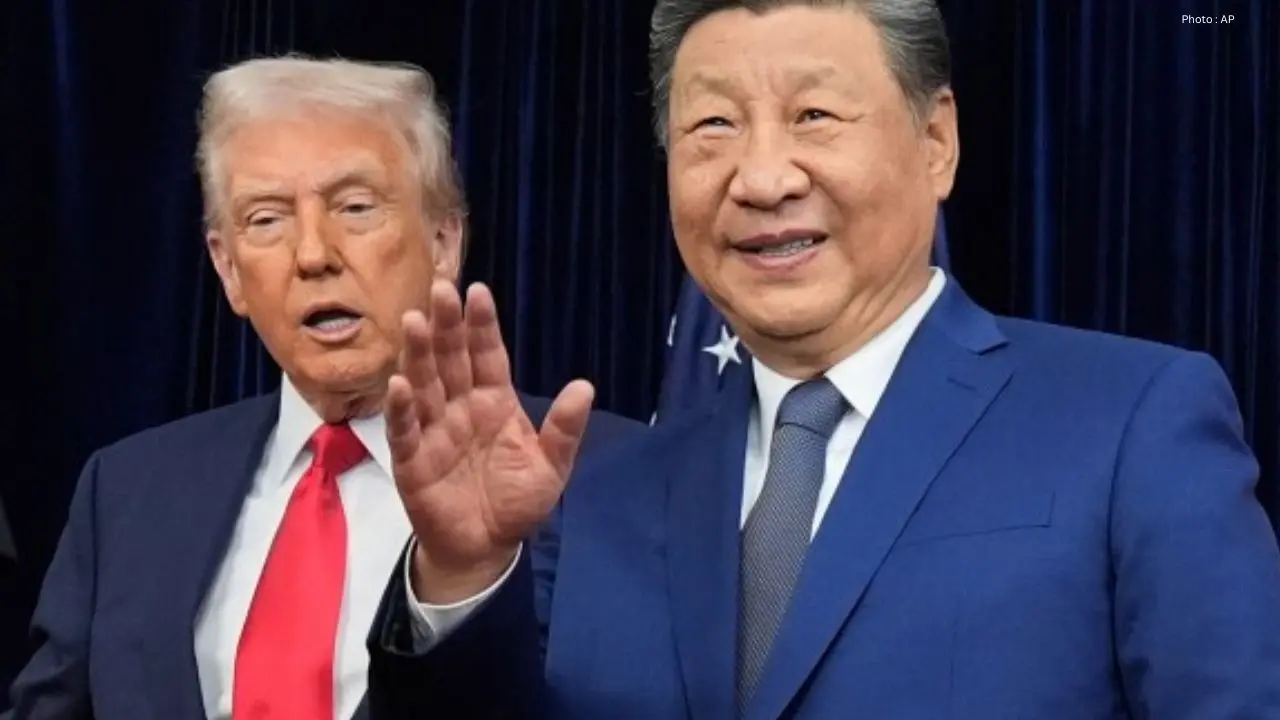
The latest contention over Taiwan’s defense budget arises ahead of anticipated high-level talks between US and Chinese officials, where Taiwan is expected to feature as one of the most sensitive subjects.
Analysts believe this debate underscores the complexities surrounding Taiwan’s security landscape, as the island endeavors to enhance its military capabilities amid burgeoning internal political disputes and increasing pressures from China.
For now, the US persists in advocating for expedited defence investments in Taiwan, positing that strong military readiness is crucial for maintaining regional stability. Nevertheless, the ongoing political discourse within Taiwan implies that defence expenditure will continue to be a significant topic in the coming months.