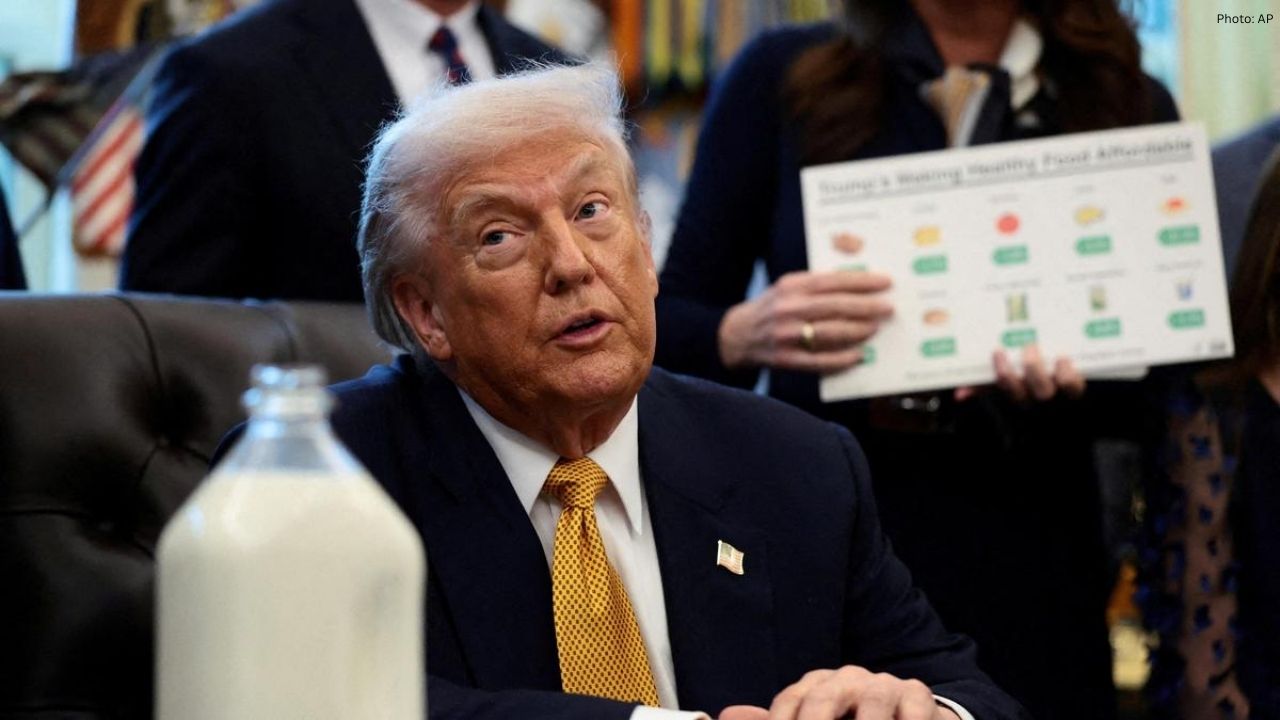
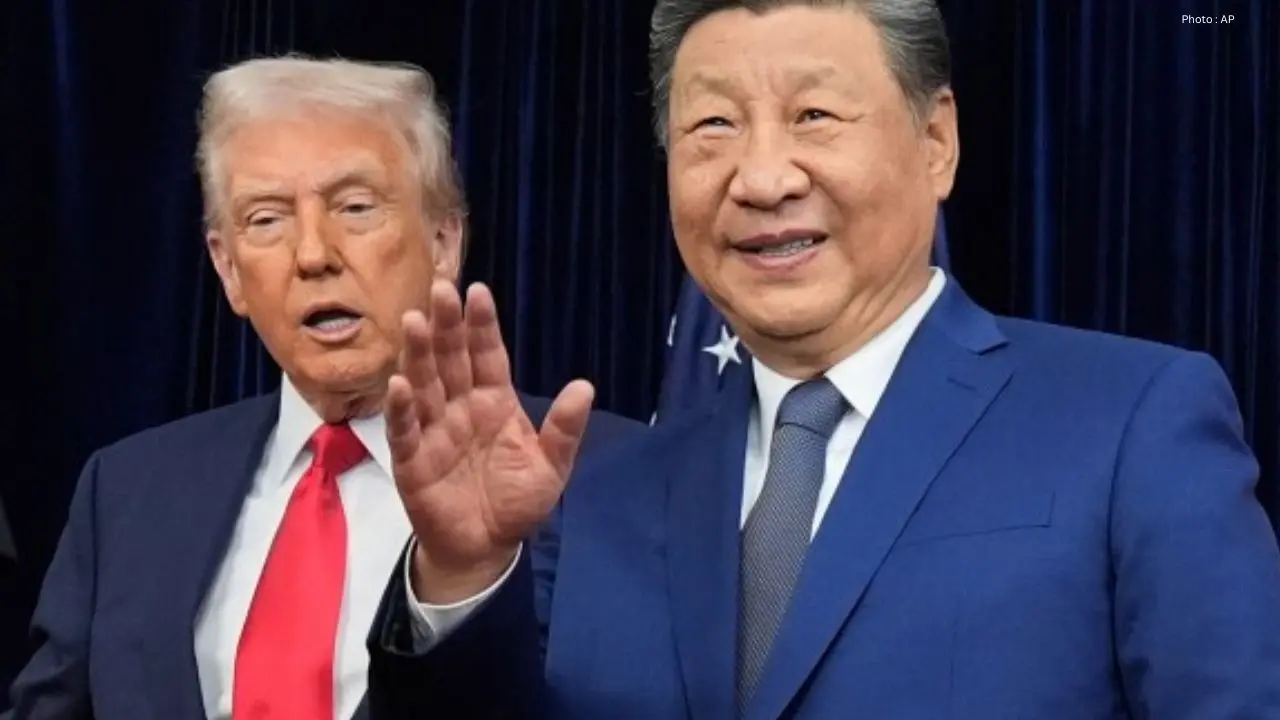
The U.S. Senate narrowly defeated a war powers resolution designed to restrict Donald Trump's ability to take further military action without congressional approval, after a dramatic tie-breaking vote by Vice President J.D. Vance.
The resolution, which had earlier advanced with bipartisan support, would have required the president to seek explicit authorization from Congress before engaging in future military operations — particularly in relation to escalating tensions and recent actions involving Venezuela.
On Wednesday evening, the final vote in the Senate ended 50–50, forcing Vance to cast the deciding ballot against the measure. Only a handful of Republicans joined all Senate Democrats in backing the resolution, but two initially supportive GOP senators withdrew their support after pressure from the Trump administration.
Senators such as Susan Collins, Lisa Murkowski and Rand Paul were among the few Republicans who had supported earlier efforts to advance the legislation, reflecting deep, ongoing concern among some lawmakers over unchecked executive authority.
Republican opponents argued that there was no current deployment of U.S. troops that would necessitate new restrictions, and they echoed administration assurances that future major military moves would involve consultation with Congress.
The failed resolution underscores widening tensions in Washington over the balance of war powers between the executive branch and the legislature, particularly as the Trump administration pursues an assertive foreign policy. Democrats have vowed to continue efforts to reassert congressional oversight of military actions despite this setback.