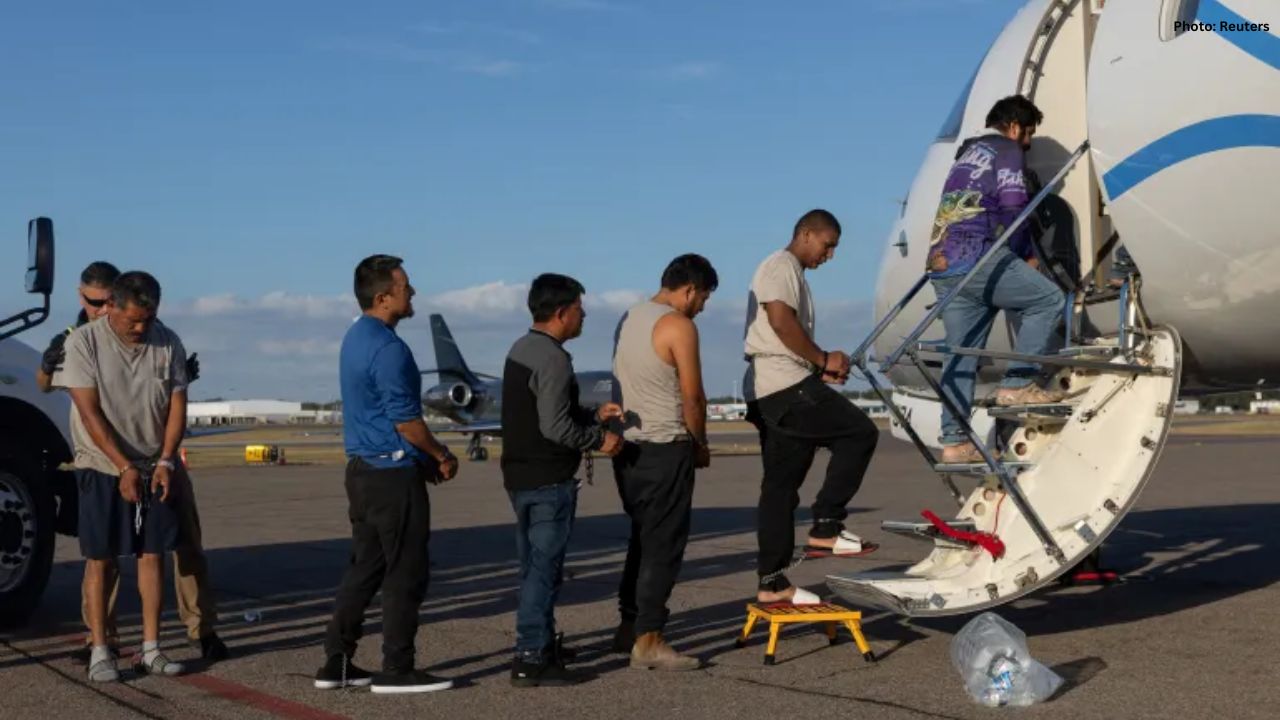
The United States has revoked more than 100,000 visas since President Donald Trump returned to office, marking a sharp escalation in his administration’s immigration crackdown, according to the US State Department. The move reflects a significant tightening of visa enforcement and screening policies.
Officials said the visa cancellations include around 8,000 international students and 2,500 specialised workers, with most revocations linked to encounters with US law enforcement. The department did not clarify whether those encounters resulted in formal criminal charges.
The surge represents a 150 percent increase compared to 2024, State Department officials said. The leading causes for revocations included visa overstays, driving under the influence, assault, and theft. Since Trump’s return, the administration claims to have overseen more than 2.5 million voluntary departures and deportations, describing it as a record-breaking effort.
The administration has also introduced stricter visa vetting measures, including enhanced social media monitoring and the launch of a Continuous Vetting Center, aimed at identifying visa holders who authorities believe pose security risks. US diplomats have been instructed to closely scrutinize applicants with political activism backgrounds or views perceived as hostile to US interests.
However, the sweeping approach has drawn criticism from civil rights groups and legal experts, who argue that both criminal and non-criminal visa holders are being targeted. Concerns have also been raised over potential violations of free speech, particularly after student protesters and foreign nationals were stripped of visas for political expression.
Public anger has intensified following reports of aggressive enforcement tactics, including a recent fatal shooting during an immigration operation in Minneapolis, which triggered nationwide protests. Critics warn the crackdown raises serious questions about due process, human rights, and constitutional protections.