The United States has committed $2 billion to support humanitarian initiatives through the United Nations, addressing a critical funding shortage resulting from cuts by key donor nations. A representative from the U.S. State Department confirmed the commitment on Monday, though specific allocations and potential future contributions remain undisclosed.
In 2025, the Trump administration sharply decreased U.S. foreign assistance funds. Significant European donors, including Germany, have also reduced their support, redirecting more resources to defense budgets. These reductions have led to a daunting funding deficit for the U.N., which depends heavily on wealthy nations' donations to assist vulnerable communities.
Data from the U.N. reveals a drop in U.S. humanitarian aid from $14.1 billion in 2024 to approximately $3.38 billion in 2025, constituting merely 14.8% of global assistance. This decline signals a substantial decrease from the high of $17.2 billion in 2022. The reduced contributions have impeded the U.N.'s ability to respond to crises and support millions in distress.
This month, the United Nations revealed its 2026 humanitarian appeal, seeking $23 billion to aid nearly 87 million individuals at risk. This goal represents close to half of the $47 billion requested for 2025, highlighting both dwindling donor support and rising global needs. U.N. aid chief Tom Fletcher emphasized that the organization is facing overwhelming demands and insufficient funding, necessitating difficult decisions on where to direct aid resources.
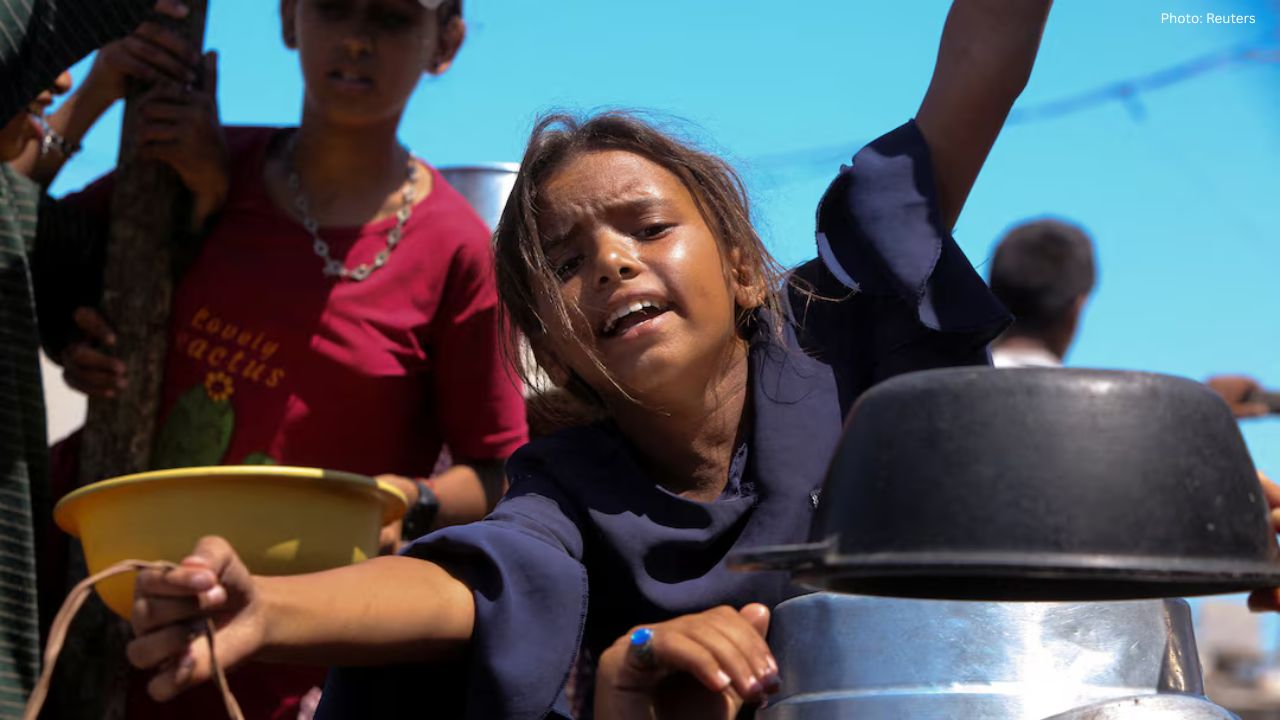
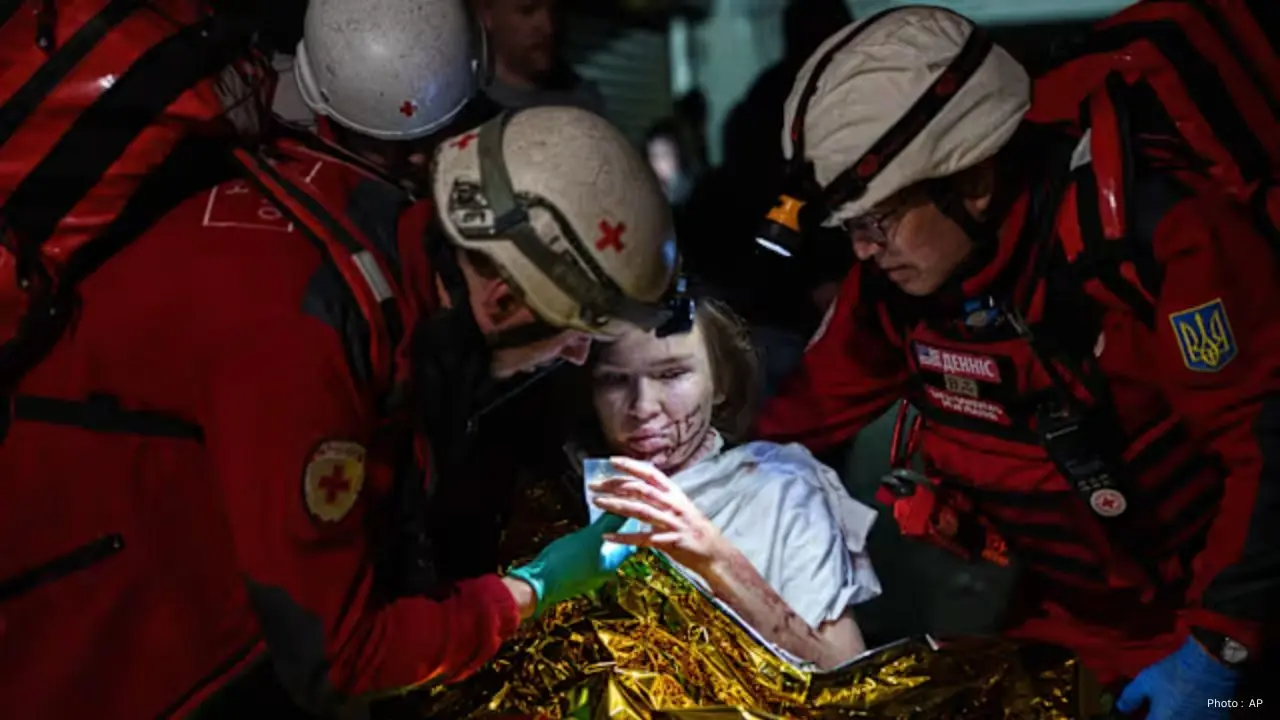
The U.S. commitment is likely to help ease the plight of millions afflicted by seismic disasters, conflicts, and extreme poverty globally. It arrives at a pivotal moment as global humanitarian challenges intensify, including significant food shortages, displacement, and health crises.
Analysts note that this funding will be instrumental in stabilizing emergency operations and bolstering critical services such as food distribution, medical assistance, and housing. However, both the U.N. and various aid organizations stress the need for ongoing contributions from the U.S. and other countries to address the expanding challenges globally.
This pledge reflects the United States' renewed dedication to international humanitarian efforts following last year's sharp funding cuts. Analysts assert that sustained financial support will be essential for the U.N. to effectively respond to crises and alleviate human suffering.
As humanitarian needs escalate worldwide, contributions like the U.S. pledge are crucial for ensuring that aid reaches the most vulnerable communities promptly. Without such support, millions risk facing food scarcity, homelessness, and a lack of essential services in some of the world's most at-risk areas.