The United States has cautioned Iran that a robust agreement must be reached, or face alternatives in handling the situation, as ongoing discussions tackle nuclear concerns and escalating regional strife.
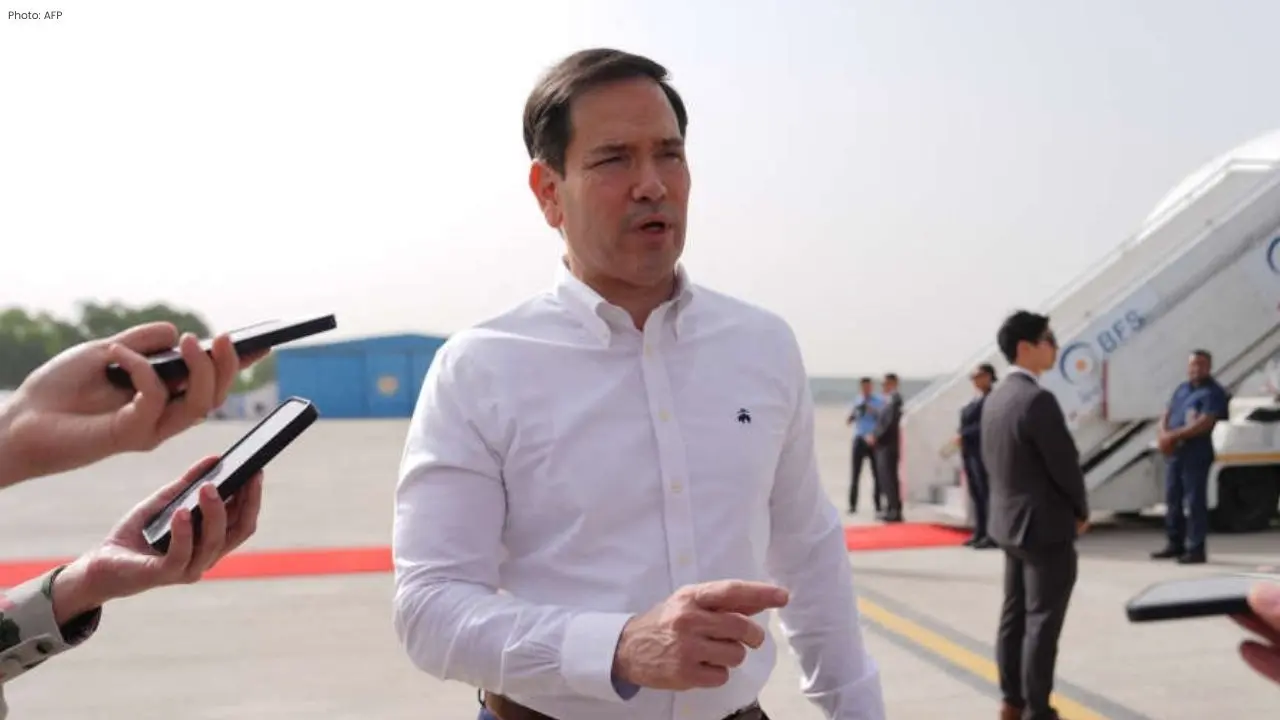
On Monday, US Secretary of State Marco Rubio emphasized a commitment to explore diplomatic avenues before resorting to other measures. Speaking from New Delhi, he noted that negotiations are centering around a potential deal involving Iran's nuclear program and the reopening of the critical Strait of Hormuz.
Rubio mentioned that there exists a “substantial proposal” aimed at facilitating Iran's access to the Strait of Hormuz and kick-starting a focused, time-limited dialogue concerning nuclear issues. He expressed optimism that a conclusive agreement may still be within reach.
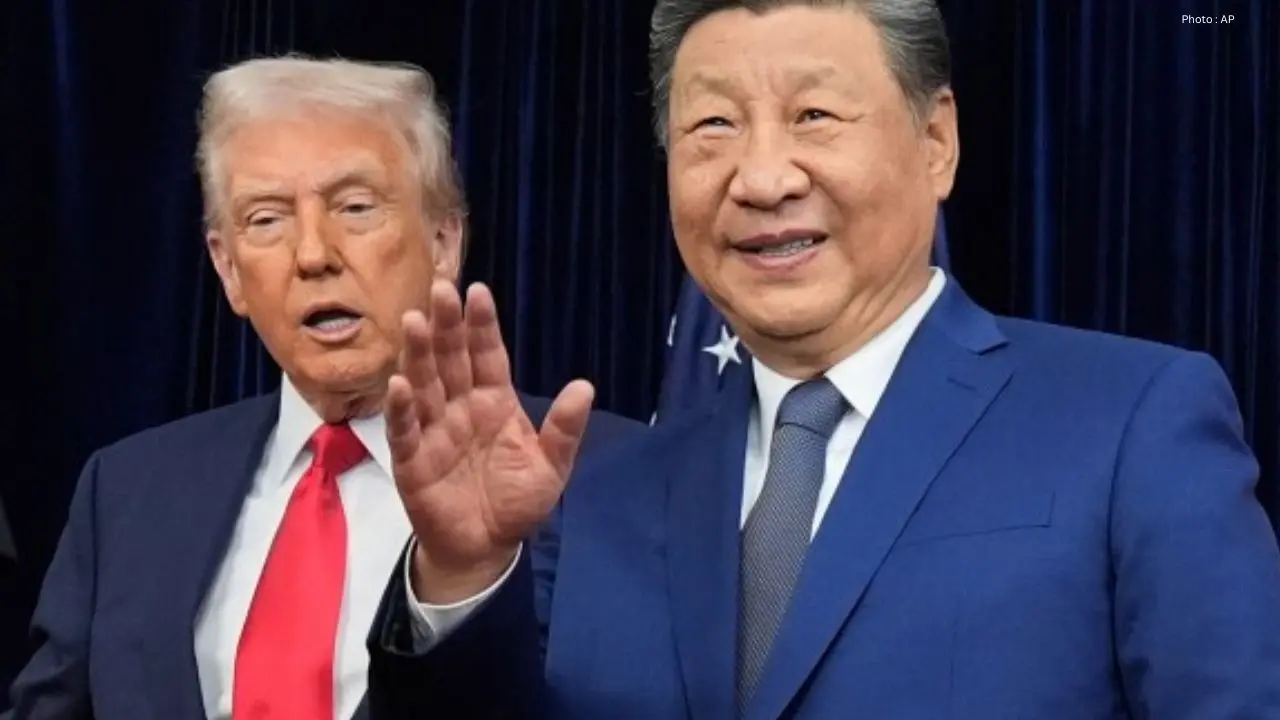
Earlier, US President Donald Trump advised a cautious approach to negotiations, reiterating via Truth Social that the blockade on Iranian vessels in the Strait would remain until a formal agreement is executed and validated.
Iran has yet to issue an official response to the latest US statements. Still, the Iran-affiliated Tasnim news outlet highlighted that significant disagreements persist, particularly surrounding Tehran's request for the unfreezing of Iranian assets abroad.
Consequently, global oil prices dipped by nearly 6 percent on Monday amid rising optimism that the US and Iran might reach a peace agreement. Trump remarked that both nations had “largely negotiated” a memorandum of understanding potentially allowing for the reopened Strait of Hormuz, a vital artery for global oil transportation.
Prior to tensions, roughly 20 percent of global oil and liquefied natural gas shipments passed through the Strait of Hormuz, underscoring its importance for the international energy landscape.
Despite advancements, numerous key issues remain unresolved, including Iran's nuclear enrichment activities, sanctions relief, the unblocking of Iranian oil revenues, and ongoing conflicts involving Israel and Hezbollah in Lebanon.
A senior US administration official noted that Iran had, “in principle,” agreed to the reopening of the Strait in return for lifting the US naval blockade. Allegedly, Iran is also prepared to dispose of its stockpile of highly enriched uranium.
The official further stated that Iran's Supreme Leader, Mojtaba Khamenei, has purportedly given his approval to the overarching deal framework, although this claim remains unconfirmed by Iranian authorities.
The initial phase is reported to involve the reopening of the strait and the cessation of the blockade, with detailed negotiations on nuclear aspects set to follow. Another senior official indicated that negotiators would have 60 days to finalize a comprehensive agreement.
Tehran has consistently refuted US and Israeli allegations regarding its intentions to develop nuclear weapons, asserting that its uranium enrichment efforts are solely aimed at peaceful civilian use.
The ongoing conflict involving the US, Israel, and Iran continues to impact global energy markets sharply, raising concerns regarding prices for fuels, food, and fertilizers around the world. A delicate ceasefire has been upheld since early April, yet regional tensions remain elevated.