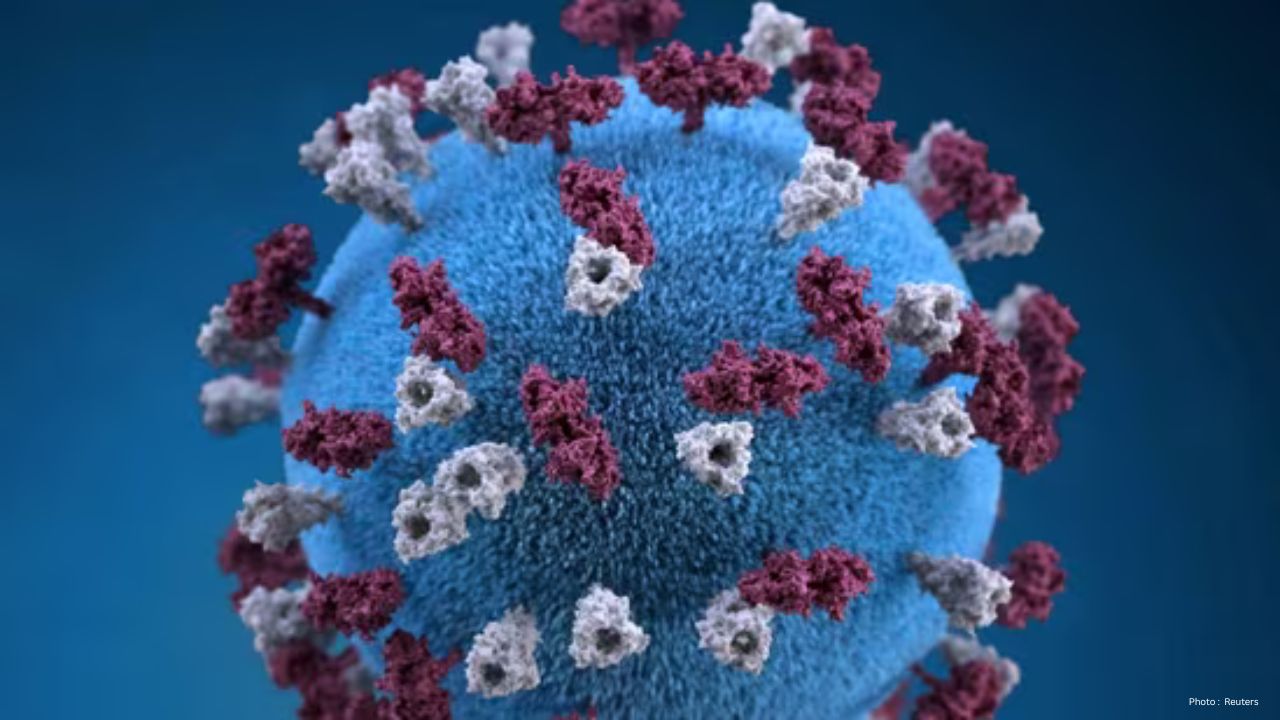
The United States is facing its most serious measles surge in over two decades, with authorities confirming 1,618 cases nationwide. Health officials say roughly 12 percent of patients have needed hospital care, and three deaths have been recorded. Texas bears the largest burden, with nearly 800 cases reported.
This tally marks the highest annual total since measles was declared eliminated in the U.S. in 2000. Public health experts link the rebound to pockets of low immunization that have left many children and adults vulnerable to the highly contagious virus.
Measles transmits with remarkable ease through airborne droplets when an infected person coughs, sneezes, speaks or breathes near others. Experts note that in a room of unvaccinated people, one infected person can infect about nine of ten; viral particles can linger in the air for up to two hours, making schools, buses and crowded indoor spaces especially risky.
Clinically, measles often begins with a high fever accompanied by a dry cough, watery eyes and a runny nose. A few days later, small white Koplik’s spots may appear inside the mouth, followed by a red rash that typically starts on the face and spreads downward. The rash often lasts about a week, and patients commonly report fatigue, sore throat, abdominal pain or vomiting.
Serious complications can occur, including pneumonia, inflammation of the brain (encephalitis) and severe dehydration. Infants, pregnant people and those with weakened immune systems are at greatest risk for life-threatening outcomes.
There is no targeted antiviral cure for measles; care focuses on relieving symptoms and preventing complications. Clinicians may administer vitamin A to reduce risk, but specialists caution against self-prescribing supplements because excessive doses can be harmful. Most uncomplicated cases recover within 10 to 14 days.
When infection occurs, medical guidance recommends isolating for at least four days after the rash appears to limit spread. Both patients and caregivers should wear masks—N95s when available—and practice strict hygiene. Anyone exposed should contact a healthcare provider promptly for advice.
The CDC and public-health agencies continue to stress vaccination as the primary defense. Two doses of the MMR (measles, mumps, rubella) vaccine offer about 97 percent protection. Widespread vaccination not only shields individuals but helps break chains of transmission, protecting infants and people who cannot be vaccinated for medical reasons.
Measles can also pass through casual contact such as handshakes, sharing food or touching contaminated surfaces. Pregnant people can transmit the virus to their babies during pregnancy or while breastfeeding, which raises additional concerns.
Officials say this outbreak is a stark reminder that vaccine-preventable diseases can return when coverage declines. Parents are urged to review their children's immunization records and ensure both recommended MMR doses are completed on schedule.
Once a leading cause of child mortality worldwide, measles was nearly eliminated in the U.S. after vaccines became routine. Falling vaccination rates have enabled its comeback; with more than 1,600 cases this year, health professionals emphasize vigilance, prevention and shared responsibility.
The CDC calls on everyone to stay alert for symptoms, seek medical care if needed, and get vaccinated if not already protected. Ending the outbreak depends on a community-wide commitment—beginning with each person's choice to stay immunized.