Recent developments in negotiations between the United States and Iran have sparked optimism for a potential diplomatic advance that could entail restrictions on enriched uranium and temporary maritime access aimed at enhancing regional security. These talks are significant, drawing attention from stakeholders across the Middle East, as they may influence energy markets and geopolitical dynamics.
Sources indicate that officials are exploring measures pertaining to enriched uranium as part of broader discussions focused on de-escalating tensions. Furthermore, there are indications that agreements about a key waterway may be interlinked with efforts to secure lasting stability in the Gulf region.
These negotiations follow several months of indirect dialogue, with mediators striving to align the positions of Washington and Tehran on critical issues including sanctions, nuclear oversight, and regional security. Although no formal agreement has been established, there is growing optimism that both parties might consider minor compromises.
The topic of enriched uranium remains particularly contentious. While Western nations have expressed ongoing concerns regarding Iran's nuclear ambitions, Iranian officials maintain that their nuclear initiatives are solely intended for peaceful use, such as energy generation and scientific development.
Should any understanding regarding uranium limitations be reached, it could bear considerable international implications, as this nuclear issue has historically fueled tensions between Tehran and Western nations. Previous efforts at negotiation have frequently encountered roadblocks, influenced by political dissent, mistrust, and evolving geopolitical considerations.
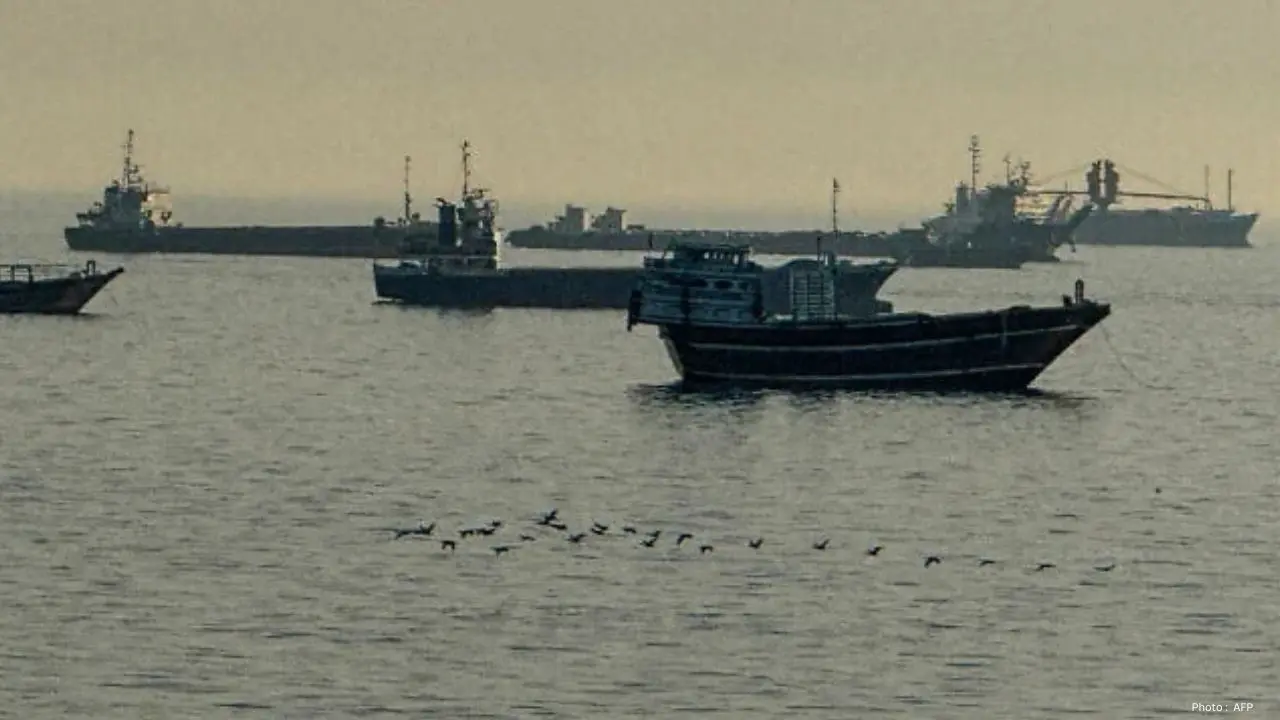
Furthermore, the maritime access discussions have garnered worldwide attention since the Gulf's shipping routes are vital for international energy transport. Adjustments to security in these strategic waterways could impact oil prices, trade routes, and economic stability across various regions.
Investors have been closely observing these negotiations, understanding that a thaw in relations between the US and Iran could potentially affect oil exports and global crude supply. Even minor diplomatic progress has historically shifted market perceptions.
Regional actors are also monitoring these developments—with the potential for a breakthrough to dramatically adjust political alignments and security strategies throughout the Middle East. Many have advocated for diplomatic resolutions to stave off broader conflicts and foster regional balance.
Despite the promising discussions, significant hurdles still exist. Disputes concerning sanctions relief, compliance verification, and long-term commitments continue to pose challenges to negotiators. Additionally, political pressures from hardline factions in both countries further complicate the diplomatic landscape.
International watchers assert that confidence-building measures will be necessary before substantial agreements are possible. Years of political friction and economic sanctions have created a deep-seated mistrust between the two nations, making each aspect of the negotiation process delicate.
Nevertheless, the latest insights indicate that vital diplomatic channels are still engaged, despite previous setbacks. Analysts predict that smaller agreements or interim arrangements could lay the groundwork for broader negotiations going forward.
Economic factors also play a role in these discussions, as Iran continues to feel the pressure of sanctions impacting its trade, banking, and oil revenues, while global powers remain vigilant about regional stability and energy security. Lower tensions could bolster both economic activity and market confidence in the area.
Consequently, the prospect of a diplomatic opening has captured global interest from governments, investors, and security analysts alike. While uncertainties persist, the latest news suggests that negotiations between Washington and Tehran are advancing into a crucial phase, with implications that might extend well beyond the Middle East.