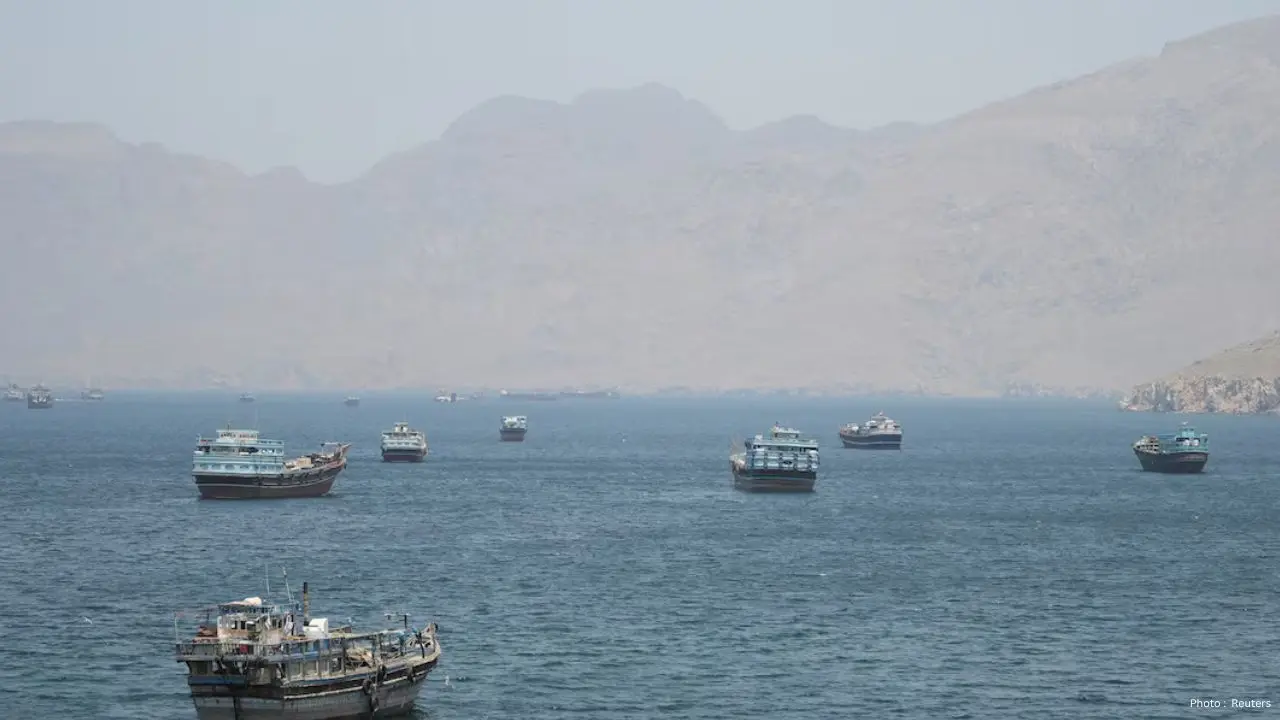
As military confrontations persist in the Gulf region, tensions between the United States and Iran continue to escalate without any signs of resolution. International calls for peace have largely been ignored, leaving both parties far from a consensus to halt the intensifying conflict.
Fears of a broader regional war that could disrupt global oil supplies, trade, and Middle Eastern stability are on the rise. Gulf nations are increasingly on alert as the situation becomes more precarious by the day.
Recent encounters have featured missile launches, drone operations, and naval skirmishes in various parts of the Gulf. Both sides are engaged in a war of words while diplomatic efforts remain weak and unfruitful.
These hostilities have already sent alarm bells ringing in global financial markets, with a sharp increase in oil prices as the risk of disruptions to shipping lanes and energy exports looms, particularly from this crucial oil-producing region.
In response to the escalating situation, the United States has bolstered its military presence in the area with additional naval assets and defense systems to safeguard its interests and those of regional allies. Officials assert that these deployments are vital for preventing further assaults and preserving regional stability.
Simultaneously, Iran has reaffirmed its commitment to self-defense against what it sees as foreign aggression, accusing the US and its allies of exacerbating tensions instead of pursuing peaceful solutions.
Neighboring countries are also feeling the impact, with many worried about being drawn into a wider conflict. Governments across the Middle East are advocating for calm while enhancing security measures around vital infrastructure and energy installations.
International bodies and world leaders have continuously urged immediate de-escalation. However, little progress has been made in diplomatic discussions as both Washington and Tehran remain entrenched in their positions regarding security, sanctions, and military operations.
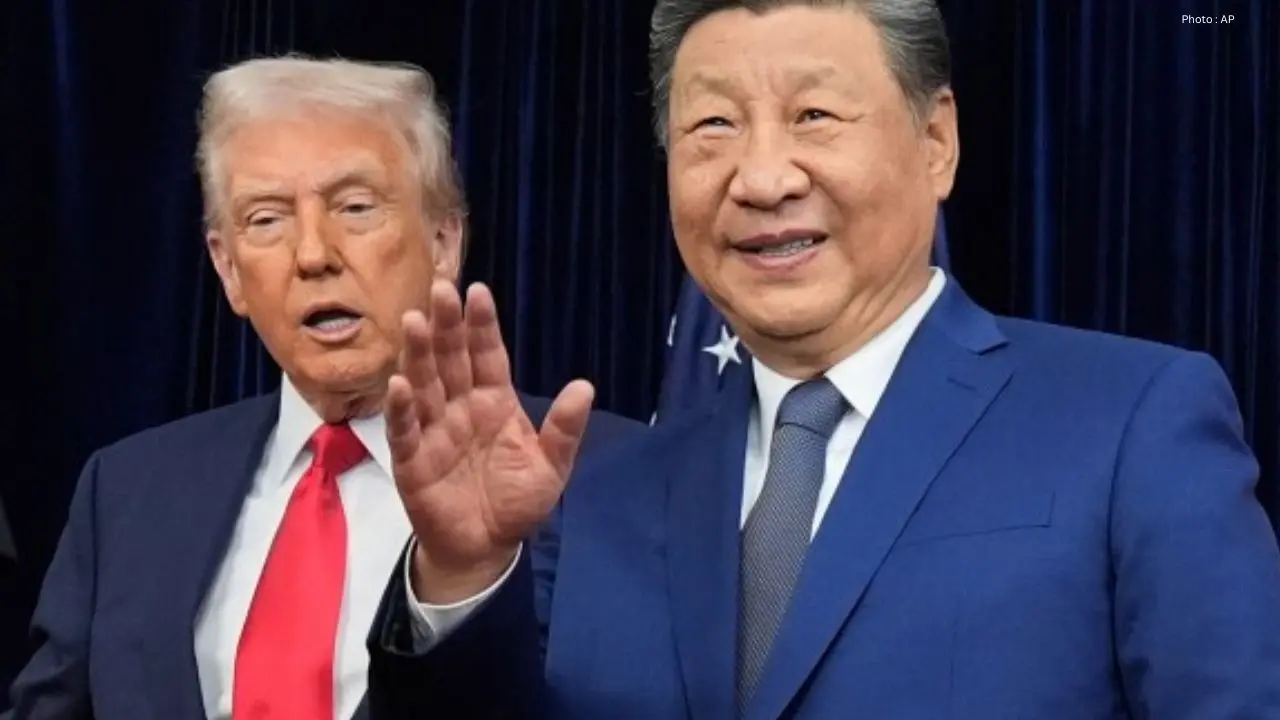
China and Russia have voiced their concerns over the increasing instability, urging dialogue and warning that a wider conflict could negatively impact the global economy and international peace.
Experts highlight the heightened risk of accidental escalation due to the close proximity of military operations in the Gulf, where even minor incidents could escalate into larger confrontations.
The situation is particularly alarming given the Gulf's crucial role in global energy supply. Any significant disruption to oil transport routes could lead to global fuel price hikes and impact economies already facing inflationary pressures and sluggish growth.
Humanitarian issues are also arising as civilians near conflict zones endure fear, uncertainty, and economic strain. In light of security concerns, airlines and shipping companies are already adjusting their operational routes.
Analysts caution that the absence of direct communication channels between the United States and Iran exacerbates the risk of misunderstandings and military miscalculations.
Political pressures within both nations further complicate the likelihood of compromise, with leaders under domestic demand to exhibit strength and avoid any semblance of weakness during this crisis.
Currently, there appears to be no imminent route to peace. The ongoing clashes in the Gulf highlight sustained high tensions while diplomatic initiatives have not yielded substantive results.
The upcoming weeks may prove pivotal for the region's future. Should violence escalate further, the ramifications could extend beyond the Middle East, affecting global trade, energy sectors, and international stability.