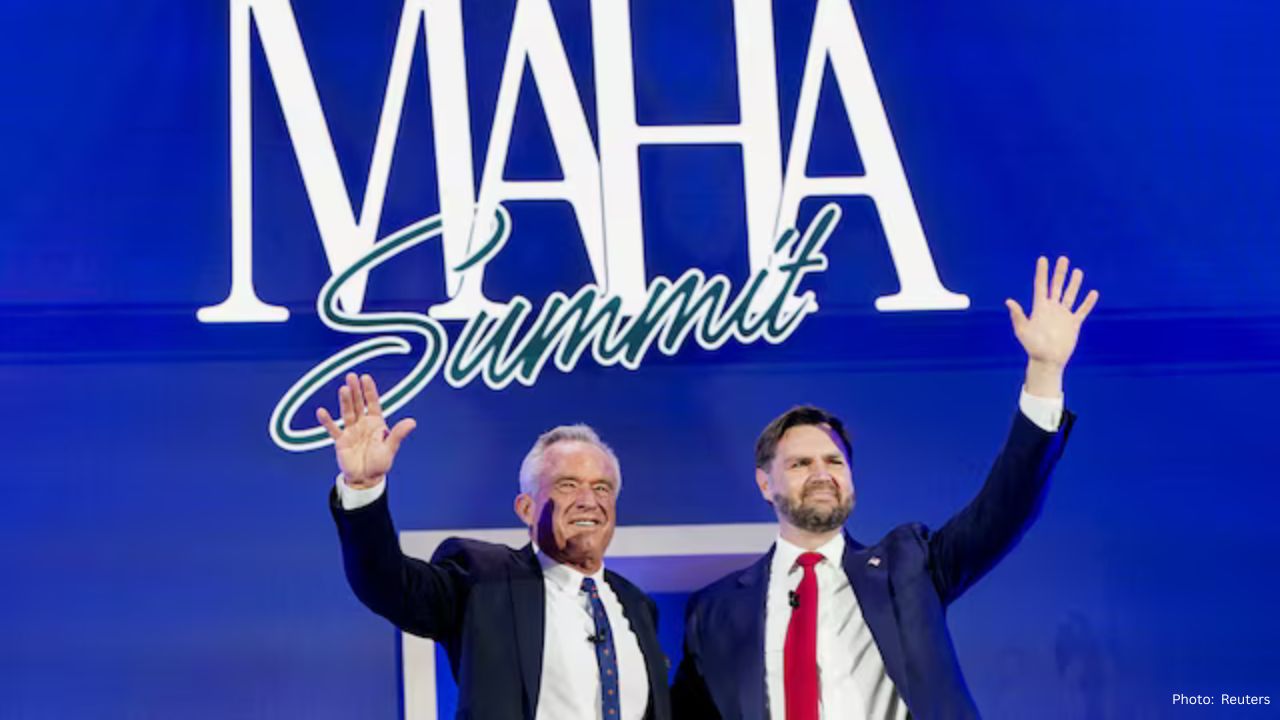
The United States Environmental Protection Agency (EPA) recently engaged in several discussions with leaders from the Make America Healthy Again (MAHA) movement, indicating an evolving approach to addressing concerns relating to pesticides and chemical exposure. Attendees of the meetings reported that EPA officials displayed a more receptive and amicable demeanor than previously observed, highlighting the movement’s increasing sway within the Trump administration.
Throughout December, these meetings featured EPA Administrator Lee Zeldin alongside key staff members. Conversations primarily centered around apprehensions regarding pesticides, industrial chemicals, and their implications for public health. Activists from MAHA viewed this level of access as a substantial improvement compared to previous interactions, where they felt marginalized by agency representatives.
MAHA is composed of advocates striving for stringent regulations on vaccines and diminished chemical exposure across various environments, including food and water. The movement has garnered momentum in recent years, particularly due to its robust backing within the Trump administration. This influence is already apparent at the Department of Health and Human Services, where Health Secretary Robert F. Kennedy Jr. has implemented several policies aligned with MAHA’s objectives.
Officials from the EPA confirmed the meetings occurred and expressed their intent to collaborate with MAHA members. The agency’s press office asserted the importance of ensuring that everyone has a voice in environmental and public health decisions. This public demonstration of support is notable, as federal agencies commonly engage with diverse groups but rarely endorse a specific movement so explicitly.
The discussions follow a recent petition initiated by MAHA activists demanding Zeldin’s resignation as EPA chief. The petition criticized his endorsements of new pesticides, appointments of former chemical industry lobbyists to high-ranking roles, and the relaxation of certain chemical safety regulations. This campaign collected thousands of signatures, further amplifying pressure on the agency.
Activists brought up major concerns regarding widely utilized pesticides like glyphosate, marketed as Roundup, which is involved in numerous lawsuits alleging potential cancer risks. MAHA representatives also highlighted dangers posed by “forever chemicals” polluting drinking water—substances that are resistant to degradation and may accumulate within the human body over time.
Several attendees remarked on the noticeably positive shift in tone during December's meetings compared to previous discussions. In October, the same EPA officials appeared disinterested in their concerns. This time, participants characterized the staff as inquisitive, respectful, and attentive, interpreting this as the agency’s effort to mend its relationship with MAHA.
Zeldin has also indicated his intent to establish a formal “MAHA agenda” within the EPA. Plans are being formed to tackle issues surrounding lead pipes, plastic pollution, and food waste, with MAHA advocates invited to influence these initiatives.
Nevertheless, critics highlight that the EPA has not consistently taken decisive action regarding pesticides. Earlier in the year, a government health commission led by Kennedy issued a report on childhood health that was reportedly less alarming about pesticide risks than anticipated, with industry influence from agricultural and food organizations playing a significant role. The final report reaffirmed the EPA’s faith in its existing evaluation processes.
The recent dialogues underscore a shifting political environment. Concerns over chemical safety and pesticide usage, traditionally championed by Democrats and environmentalists, are increasingly capturing the interest of conservative voices. The outcome of this newfound openness regarding stricter regulations and genuine policy transformation remains uncertain, yet the very act of these conversations represents a pivotal moment in the discourse surrounding environmental health in the United States.