The United States finds itself in a precarious situation in Venezuela after a military operation led to the arrest of former President Nicolás Maduro and his wife. President Donald Trump has stated that the U.S. will take temporary control of the oil-abundant nation, while Secretary of State Marco Rubio provided a more cautious take, stressing the continuation of an existing oil quarantine.
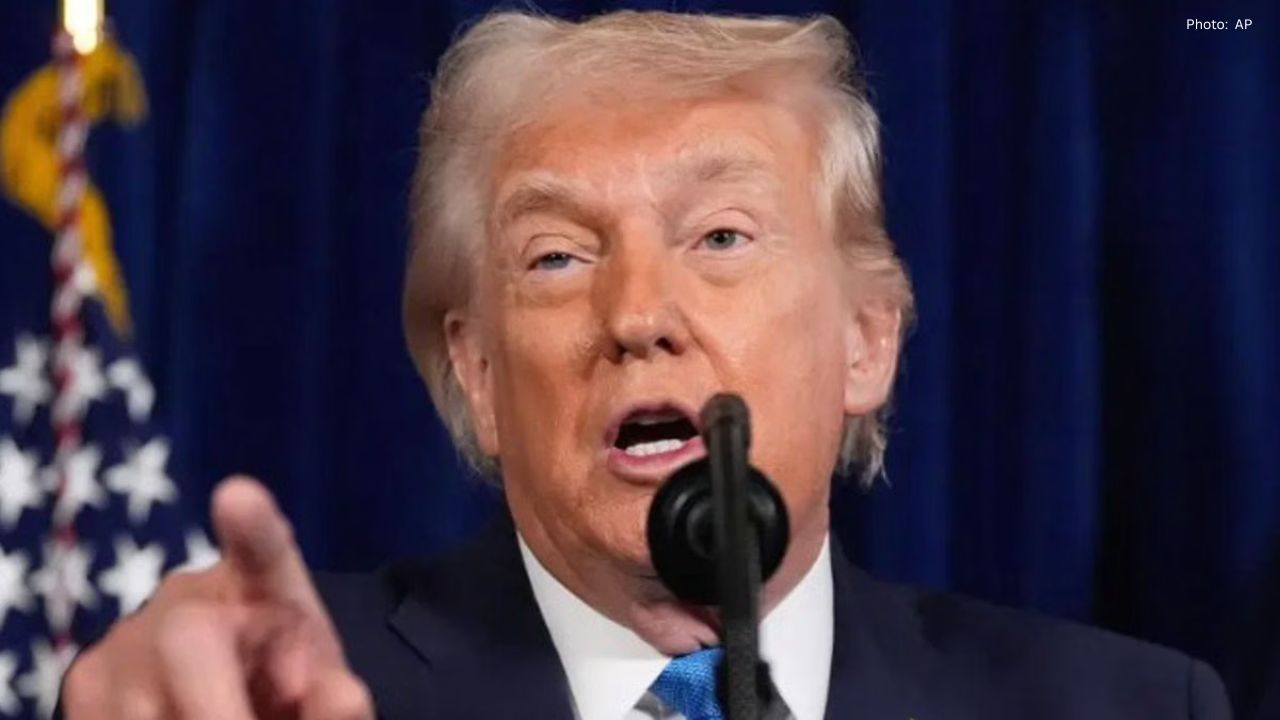
During a press briefing aboard Air Force One, Trump asserted that “we’re in charge” and promised to “set Venezuela back on track.” He expressed doubts about the leadership capabilities of opposition figure María Corina Machado, implying a direct U.S. role in governing.
Earlier, Rubio made it clear that the U.S. would not be involved in the day-to-day governance of Venezuela. The administration’s strategy centers on maintaining the oil embargo, leveraging it to drive necessary changes in Venezuela’s oil sector and combat drug trafficking. “That’s the control the president refers to when he makes those statements,” Rubio clarified on CBS’ Face the Nation.
Meanwhile, in Caracas, interim leader Delcy Rodríguez has softened her tone, extending an invitation for the U.S. to participate in a cooperative agenda for mutual development and lasting peace, aligning her approach with international law. This marks a significant departure from her previous denunciations of U.S. actions and calls for Maduro's release.
Despite Rodríguez’s conciliatory approach, Trump reaffirmed his expectation for unrestricted access to Venezuela's assets, from substantial oil operations to fundamental infrastructure. “We require access to the oil and other resources that will enable us to rebuild their country,” he stated.
The military operation executed in Venezuela did not come without casualties; Cuban sources reported the deaths of 32 Cuban security personnel during the raid, a detail Trump acknowledged. Simultaneously, Venezuela's Supreme Court has officially recognized Rodríguez as the acting president.
The situation is evolving, with the U.S. declaring control while Venezuela grapples with the rapid regime shift. This dual approach—military intervention coupled with economic sanctions—highlights a broader U.S. strategy of altering Venezuelan policies without embarking on long-term nation-building.
Experts warn that these developments bring forth significant concerns regarding international law, sovereignty, and the overall stability of the region. Although Trump’s administration frames the mission as a means to restore order and reduce criminality, the true challenge will be to sustain U.S. influence without provoking further conflict or instability in Venezuela.