Urban Growth and Its Impact on Local Ecosystems
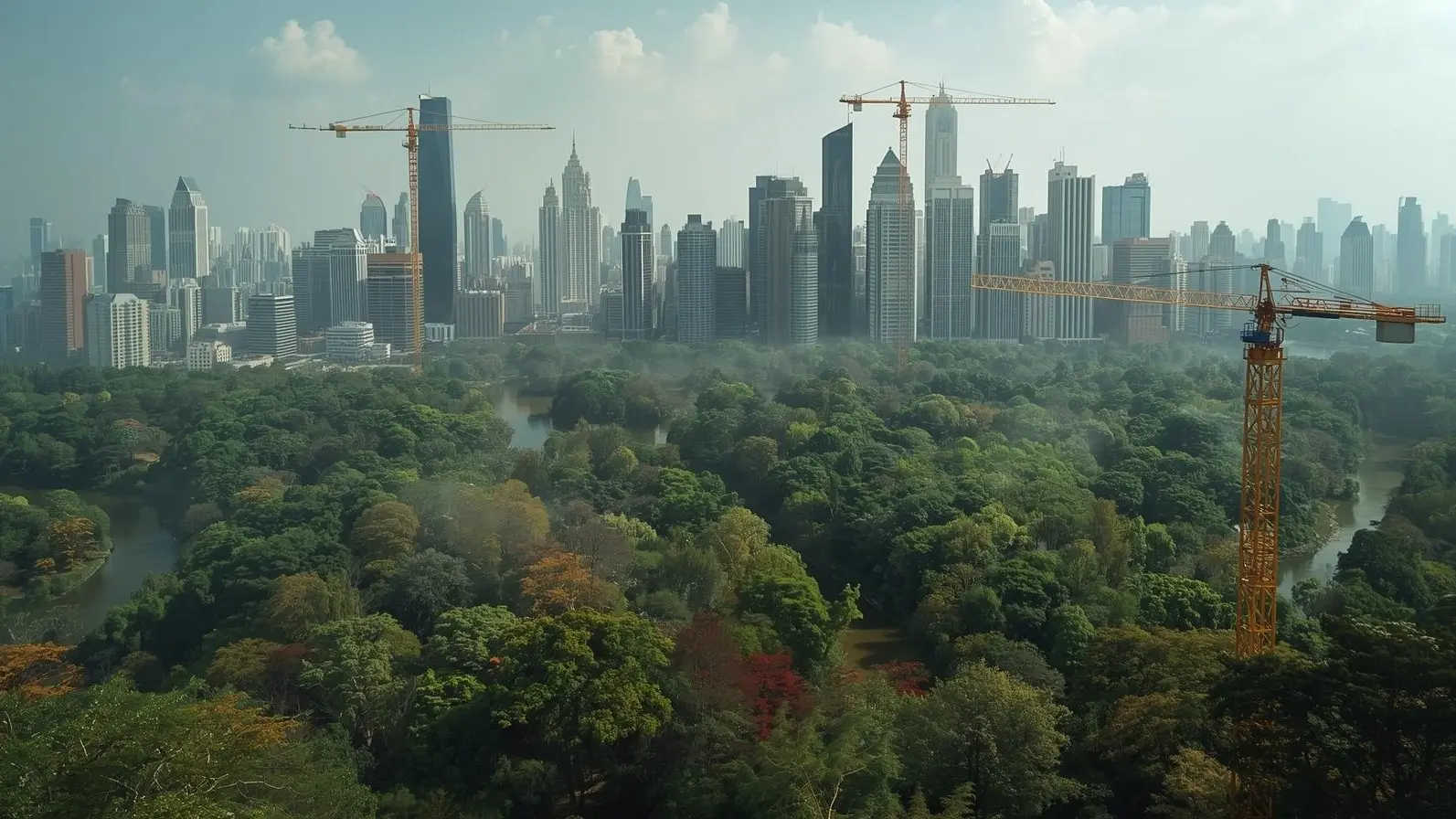
While urban development often symbolizes progress with enhanced infrastructure and economic growth, it conceals a grave concern: the disruption of local ecosystems. As cities expand towards 2026 and beyond, the natural environment is altered, fragmented, or entirely replaced, critically impacting flora, fauna, water systems, and human health.
This article delves into how urban development affects local ecosystems, the significance of these changes, and the role of sustainable planning in mitigating environmental damage.
Defining Local Ecosystems
A local ecosystem is a complex network of living organisms—including plants, animals, and microorganisms—interacting with non-living elements such as soil, water, and air within a specific region.
These ecosystems deliver essential services, including:
Land Transformation: The Primary Effect
Urban expansion typically initiates with changes in land use.
The adverse effects of land transformation
Clearing forests, wetlands, grasslands, and agricultural land for construction leads to:
-
Loss of native vegetation
-
Destruction of wildlife habitats
-
Decreased biodiversity
-
Soil degradation
Ecosystems face challenges in recovery once natural land is converted.
Fragmentation of Habitats and Wildlife Displacement
Urban development not only eliminates habitats but also creates isolated patches.
The dangers of fragmentation
-
Loss of migration routes for animals
-
Disruption of breeding patterns
-
Decline in genetic diversity
-
Increased vulnerability to extinction
Wildlife pushed into urban regions often faces conflicts with humans, resulting in injury or population decline.
Biodiversity Decline
Urbanization favors a few adaptable species while eliminating many others.
Indicators of biodiversity loss
-
Reduction of native plant species
-
Decline in pollinators like bees and butterflies
-
Disappearance of birds, amphibians, and small mammals
Decreased biodiversity undermines ecosystems, making them less resilient to climate change and disease.
Pressure on Water Systems
Urbanization greatly alters natural water cycles.
Urban effects on water ecosystems
-
Drainage or filling of wetlands
-
Redirection or covering of natural streams
-
Increased rainwater runoff due to paved surfaces
This contributes to flooding, water pollution, and diminished groundwater recharge.
Effects on aquatic life
Contaminated runoff introduces chemicals, oil, plastics, and waste into rivers and lakes, negatively impacting fish and aquatic plants.
Urban Heat Islands and Climate Challenges
Cities create urban heat islands, where temperatures exceed those of surrounding rural areas.
Reasons for this phenomenon
-
Heat absorption by concrete and asphalt
-
Reduced tree cover limits cooling
-
Increased energy consumption raises heat emissions
Elevated temperatures stress plants and animals, disrupt breeding cycles, and degrade air quality.
Pollution and Ecosystem Vitality
Urban regions produce high levels of air pollution.
Consequences for ecosystems
-
Acid rain harms soil and vegetation
-
Pollutants impair plant photosynthesis
-
Animals suffer respiratory problems
Air pollution degrades ecosystems and hampers their ability to sustain life.
Soil Degradation and Nutrient Loss
Healthy soil is crucial for ecosystems.
Impact of urbanization on soil
-
Soil sealing prohibits water absorption
-
Compaction from construction alters soil structure
-
Chemical pollutants diminish fertility
Poor soil quality negatively influences plant growth and food networks.
Noise and Light Pollution: The Silent Threats
Urban environments contribute to constant noise and artificial light.
Effects on wildlife
-
Communication among animals is disrupted
-
Changed sleep and migration habits
-
Increased stress and lower reproductive success
Numerous species depend on natural darkness and sound cues for survival.
Invasive Species in Urban Settings
Cities can inadvertently foster invasive species.
Why invaders thrive in urban areas
-
Disturbed land promotes aggressive species
-
Reduced competition from local plants
-
Human transport disseminates non-native species
Invasive organisms often displace native flora and fauna, further destabilizing ecosystems.
Human Impact of Ecosystem Damage
Environmental degradation has direct repercussions for people.
Effects on humans
-
Increased flooding and heatwaves
-
Poor air and water quality
-
Loss of recreational green spaces
-
Heightened health risks
Thriving ecosystems provide natural protective mechanisms for urban areas.
Implementing Sustainable Urban Planning
Urban expansion need not compromise ecosystems.
Strategies for thoughtful planning
-
Preserving green corridors
-
Protecting wetlands and forests
-
Incorporating parks and urban forests
-
Restraining urban sprawl
Sustainable cities harmonize development with ecological accountability.
Utilizing Green Infrastructure
Green infrastructure replicates natural processes.
Key examples include
The Significance of Native Plant Life
Nurturing native species fortifies local ecosystems.
Advantages of native plants
-
Require less water
-
Support indigenous wildlife
-
Enhance soil integrity
-
Improve climate adaptability
Native plantings restore ecological balance, even in urban locales.
Engaging Communities and Encouraging Local Action
Urban ecosystems thrive with community involvement.
Ways individuals can contribute
-
Back green initiatives
-
Minimize waste and pollution
-
Safeguard local green areas
-
Promote sustainable development
Collective small actions produce significant results.
Urban Futures and Nature's Role
Forecasts predict that by 2026, cities will accommodate over half of the world’s population. The challenge isn’t halting progress but redefining it.
Cities prioritizing ecosystems will see:
Final Thoughts on Urban Growth and Ecosystems
While urbanization transforms landscapes, its longevity rests on how it respects ecological boundaries. Collapse of ecosystems breeds fragility in cities, while flourishing ecosystems yield sustainability.
Protecting local ecosystems goes beyond environmental stewardship—it's a necessity for our future.
Disclaimer
This article serves general informational and educational purposes. Environmental impacts differ based on geographical factors, planning practices, and regulatory measures. This content does not substitute for professional environmental, urban planning, or policy guidance. Readers should consult qualified experts and relevant authorities for personalized environmental assessments or planning decisions.