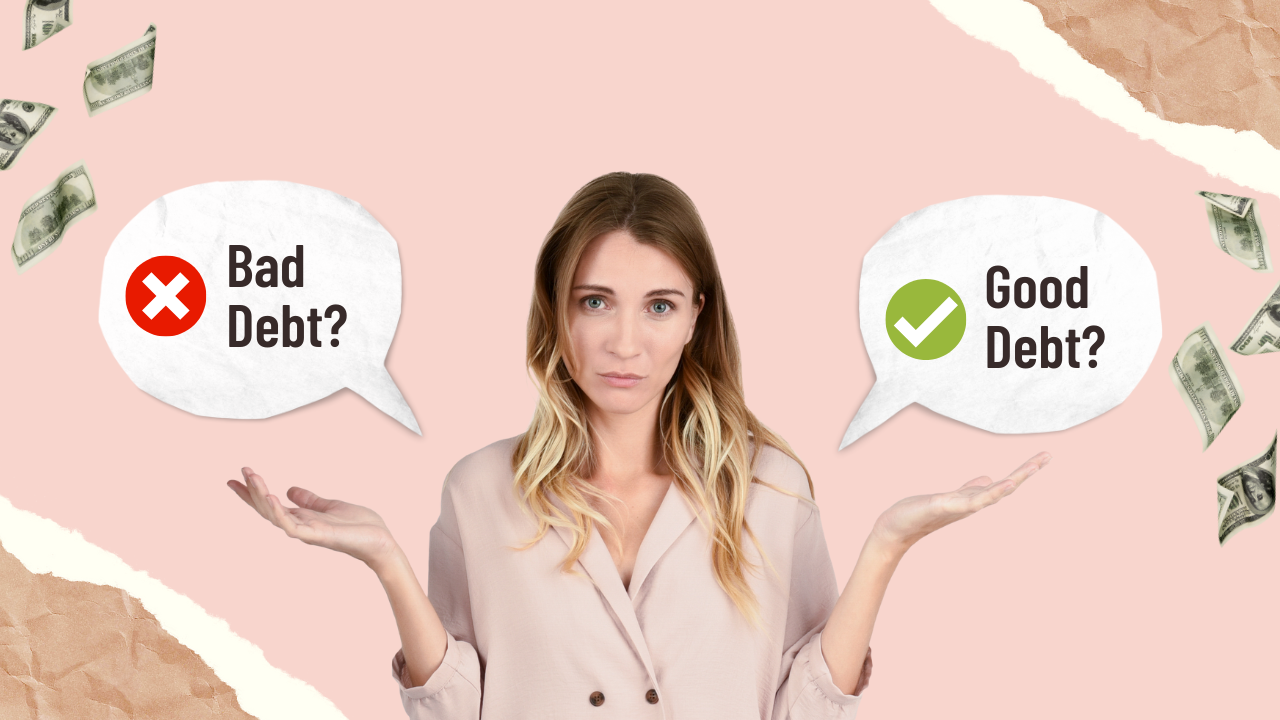
Understanding Good Debt vs. Bad Debt: A Beginner's Guide
Disclaimer: This content serves educational and informational purposes only. It does not substitute for financial advice. Always consult a certified professional before making significant borrowing or investment choices.
What Does Debt Really Mean?
While debt is often viewed negatively as a burden, not all debt is detrimental. When used wisely, it can actually stimulate financial growth, enhance your credit rating, and contribute to long-term wealth accumulation.
The crucial aspect is distinguishing good debt from bad debt and understanding how each variant impacts your financial trajectory.
Defining Good Debt
Good debt refers to any borrowed funds that serve to increase income, boost your net worth, or improve your future financial situation. It's essentially an investment aimed at yielding future benefits.
Typical examples include:
-
Student loans: Financing education can lead to enhanced employment opportunities and increased lifetime earnings.
-
Home loans (mortgages): Real estate generally appreciates, adding to your equity.
-
Business loans: Securing funding to grow or initiate a business can lead to significant profits over time.
Good debt is linked to an asset — something that either accrues value or generates income.
For instance:
Should you finance the purchase of a rental property that yields monthly rent exceeding your loan payments, then your debt is in fact benefiting you.
Identifying Bad Debt
Conversely, bad debt arises when you borrow money for items that decrease in value or fail to generate income. This type of borrowing often comes with exorbitant interest rates and offers little in terms of lasting returns.
Examples of bad debt include:
-
Credit card debt: Buying unneeded goods on credit and incurring high interest charges.
-
Personal loans for non-essentials: Enjoying short-term pleasures with long-term repayment obligations.
-
Car loans (generally): Vehicles typically lose value the moment they are purchased.
Bad debt constricts your cash flow, elevates financial stress, and stymies your ability to save or invest wisely.
Contrasting Good and Bad Debt
| Factor |
Good Debt |
Bad Debt |
| Purpose |
Facilitates wealth accumulation or income growth |
Spent on non-essential depreciating items |
| Returns |
Yields future financial advantages |
Provides transient pleasure |
| Interest Rates |
Generally lower or tax-deductible |
Usually high and compounding |
| Impact on Credit |
Can enhance credit with proper management |
Can harm credit if mishandled |
| Example |
Mortgage, student, and business loans |
Credit card debt, payday loans, luxury expenses |
Smart Debt Management Techniques
1. Borrow only for appreciating assets or income enhancement.
Before securing any loan, ask: Will this purchase create or save me money in the future? If not, it may be bad debt.
2. Prioritize low interest rates.
Shop around for more favorable rates or consider refinancing if you have existing loans.
3. Keep a strong credit score.
Good credit history grants access to lower-interest loans and improved financial opportunities.
4. Avoid borrowing for lifestyle enhancements.
Purchases like new gadgets or trips should be funded by savings — not credit.
5. Focus on eliminating high-interest debts first.
Utilize the avalanche method (pay off highest interest debts first) or snowball method (clear smallest debts first) for effective debt reduction.
Leveraging Good Debt to Create Wealth
When used wisely, good debt can propel your financial growth. Here are the ways it accomplishes this:
-
Home equity accumulates as you repay your mortgage and as property values rise.
-
Education loans can lead to high-paying jobs, thus enhancing your earning capacity.
-
Business funding enables expansion, which can yield greater long-term profits.
In summary, good debt is a financial investment — it should yield greater returns than its cost over time.
Identifying Bad Debt Red Flags
If you're routinely using credit cards for essential expenses or if your debt payments occupy more than 30% of your income, consider that a warning sign.
Other indicators include:
-
Making only minimum payments on your credit cards.
-
Borrowing funds to pay off another loan.
-
Ignoring monthly statements or feeling burdened by your bills.
Bad debt not only affects your finances but can also harm your mental health and restrict future opportunities.
Steps to Keep Your Finances Healthy
-
Formulate a debt management strategy. Document all debts, interest rates, and due dates to stay organized.
-
Establish an emergency fund. Save at least three to six months of income to avoid unnecessary borrowing.
-
Invest while managing good debt. Don’t cease saving or investing entirely — maintain a balance.
-
Seek expert advice. Financial advisors can aid in structuring repayment plans or refinancing strategies.
Concluding Thoughts
Debt itself isn't inherently bad — the way it's utilized shapes your financial future. Good debt can pave your way to wealth, education, and stability, whereas bad debt can entrap you in a cycle of payments and regret.
Consider borrowing as a tool rather than a shortcut, allowing you to make informed financial decisions, grow your assets, and maintain control over your resources.
Essentially, the goal isn’t to avoid debt altogether; it’s about mastering its usage.