In Paris, allies of Ukraine gathered for a critical discussion on the country’s security future following a potential ceasefire with Russia. This meeting aims to convert commitments into definitive measures that would safeguard Ukraine once hostilities cease. However, the optimism surrounding the talks faces challenges due to shifting global focus and emerging political strains.
French President Emmanuel Macron expressed hopefulness about the proceedings, asserting that partner nations would deliver concrete commitments to bolster Ukraine’s defense and promote enduring peace. The event features participation from representatives of 35 countries, including 27 heads of state or government, marking it as one of the largest gatherings of its kind.
Senior U.S. envoys Steve Witkoff and Jared Kushner are in attendance, yet the discussions occur during a period when the U.S. is primarily preoccupied with recent events in Venezuela. The U.S. military action resulting in the capture of Venezuelan leader Nicolás Maduro has drawn worldwide attention, diverting American priorities.
Compounding the situation, President Donald Trump’s remarks regarding Greenland have stirred unease among European leaders, particularly those from Denmark and Greenland, who denounced the notion, warning it could disrupt NATO relations. This has added another intricate layer of tension to the already sensitive discussions.
The Paris talks focus on five key areas in the event of a ceasefire, including monitoring mechanisms, supporting Ukraine’s military, the potential deployment of a multinational force across various domains, guarantees against further Russian aggression, and long-term defense collaborations with Ukraine.
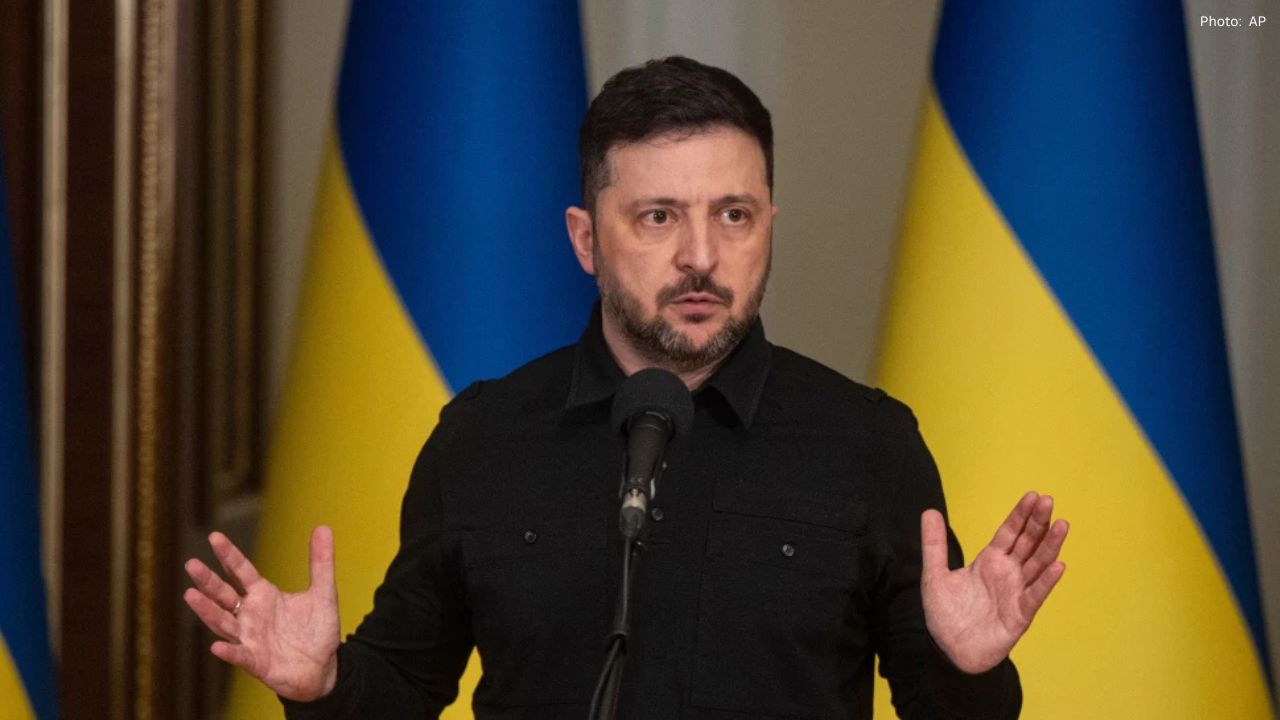
Kyiv is vigorously pursuing strong, definitive assurances, particularly from the United States, wary that a ceasefire lacking robust support may allow Russia to regroup and strike again. President Volodymyr Zelenskyy has reiterated that Ukraine is committed to peace but not at the risk of compromising future security.
Prior to the situation in Venezuela, U.S. officials had been optimistic about advancements in discussions with European and Ukrainian leaders, aiming at fortifying security guarantees and establishing mechanisms to preempt the resurgence of conflict. France and the UK have been pivotal in orchestrating these diplomatic efforts.
Nonetheless, significant aspects remain unaddressed. Zelenskyy highlighted that not all nations are prepared to commit troops, with some requiring parliamentary consent. He also pointed out that support could manifest through various means including weaponry, training, intelligence sharing, financial aid, and sanctions.
Zelenskyy underscored the necessity of commitments from major European powers, particularly the UK and France, warning that without substantive contributions, the concept of a “coalition of the willing” would lose its significance.
As the discussions in Paris progress, the outcome remains uncertain. The talks reflect Ukraine’s pressing need for dependable security amid the convoluted global context influencing decision-making. The ability of allies to transition from commitment to action will significantly shape Ukraine’s path towards stability and lasting peace.