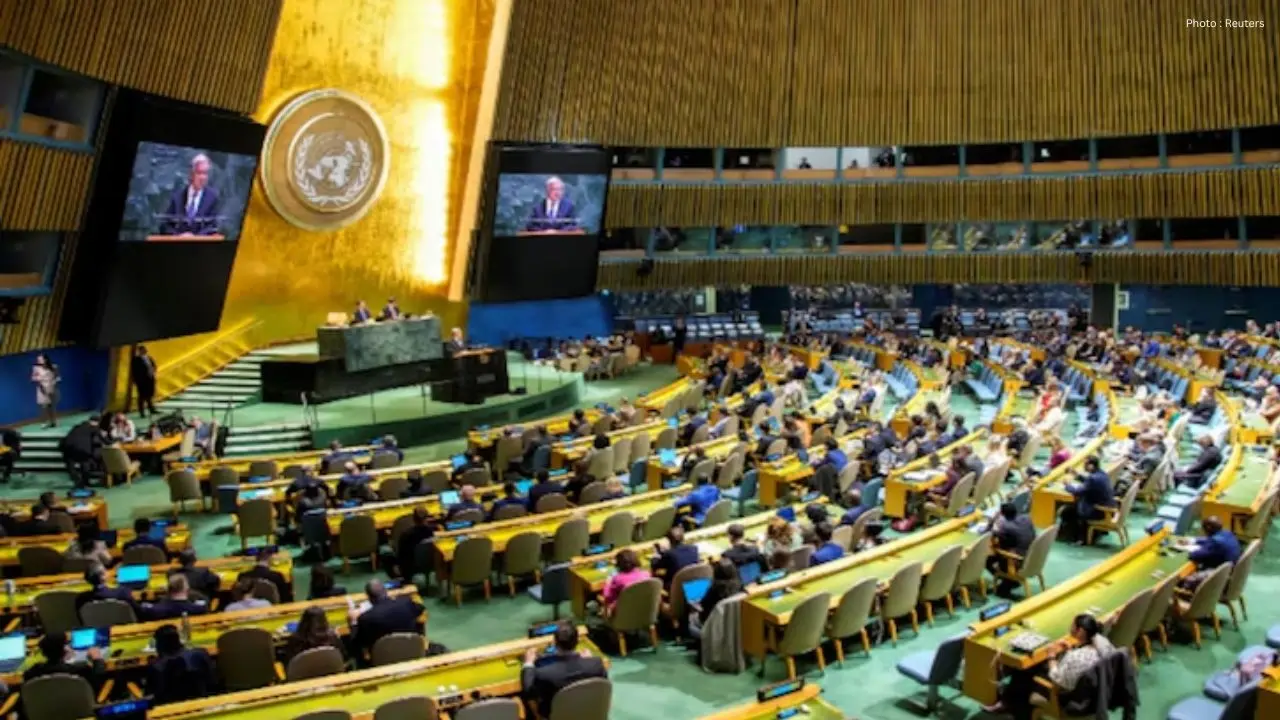
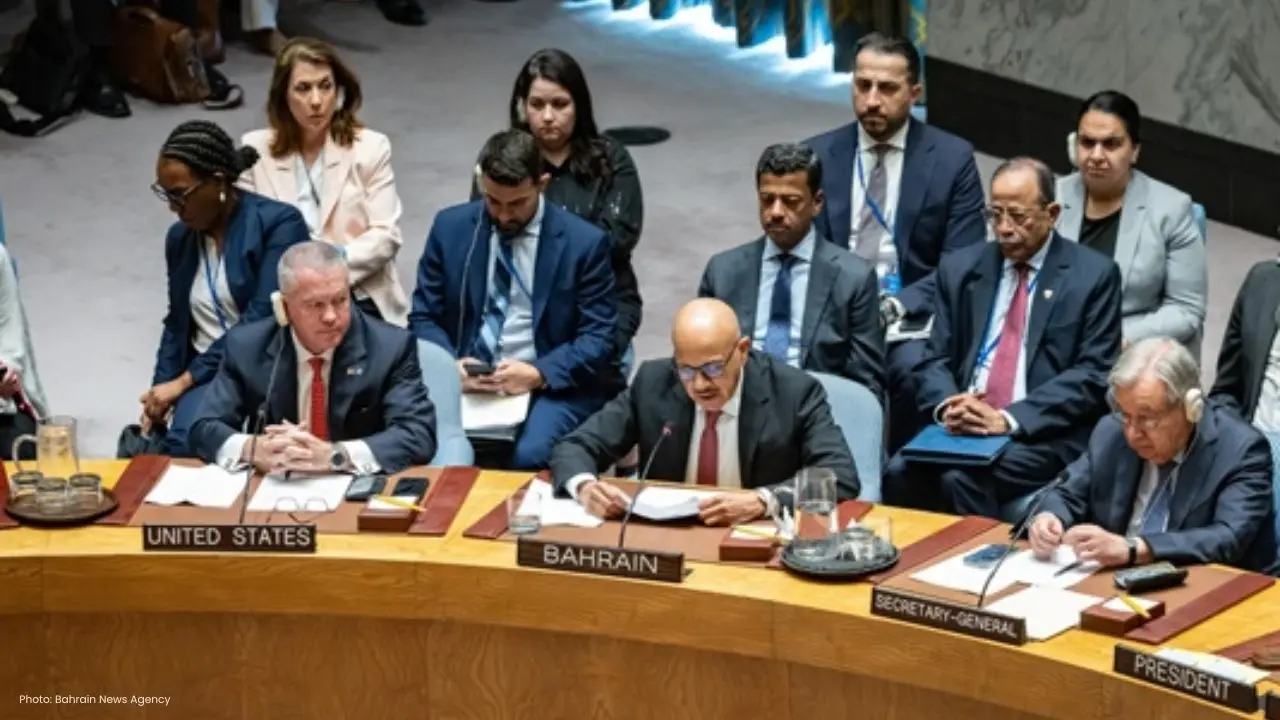
A major United Nations conference reviewing the global nuclear non-proliferation treaty ended without reaching a final agreement after strong disagreements between the United States and Iran over Tehran’s nuclear program. The four-week conference was held at the United Nations headquarters in New York City and involved representatives from 191 member countries of the Nuclear Non-Proliferation Treaty (NPT).
The Nuclear Non-Proliferation Treaty, commonly known as the NPT, is considered one of the world’s most important international agreements aimed at preventing the spread of nuclear weapons while encouraging peaceful nuclear energy cooperation. The 2026 review conference was expected to address rising global tensions, nuclear disarmament concerns, and conflicts linked to advanced nuclear programs. However, negotiations became increasingly difficult due to disputes surrounding Iran’s nuclear activities and ongoing geopolitical tensions.
Vietnam’s UN Ambassador Do Hung Viet, who chaired the conference, announced that member states failed to reach consensus even on a softened draft document. Officials did not publicly identify which countries blocked the final agreement, but diplomats said disagreements linked to Iran’s nuclear program played a major role in the deadlock. This marks the third consecutive failure of an NPT review conference after previous talks in 2015 and 2022 also ended without agreement.
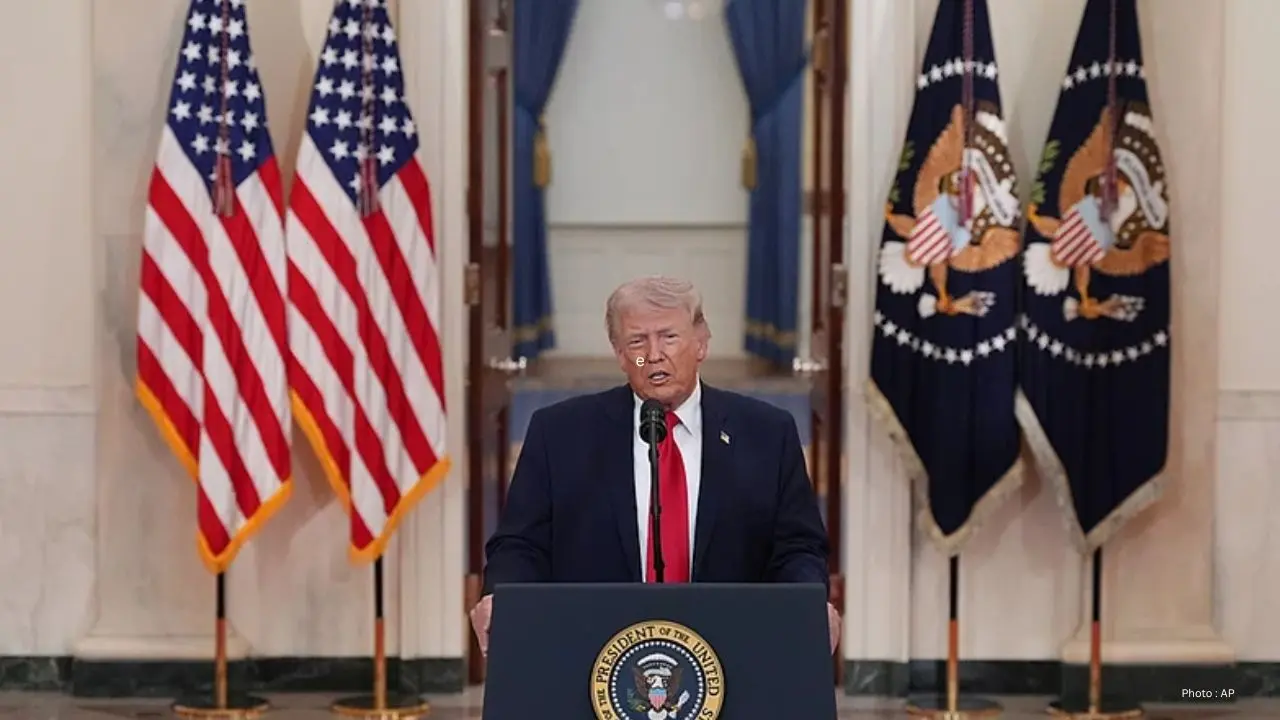
The United States strongly criticized Iran during the conference, accusing Tehran of failing to meet its obligations under the nuclear treaty. American officials argued that Iran’s uranium enrichment activities and limited cooperation with international nuclear inspectors have raised serious concerns about the possibility of nuclear weapons development. Washington also repeated its long-standing position that Iran must never obtain nuclear weapons capabilities.
Iran strongly rejected the accusations and accused the United States and Israel of violating international law through military strikes and political pressure linked to Iran’s nuclear facilities. Iranian representatives argued that their nuclear activities are intended for peaceful civilian purposes such as energy production and medical research. Tehran also criticized Western countries for what it described as double standards in global nuclear policy.
The conference took place during a period of heightened tensions in the Middle East following recent military confrontations involving Iran, the United States, and Israel. Analysts say the conflict has increased global fears about nuclear security and the possibility of wider regional instability. Discussions at the conference also included concerns about arms control, nuclear transparency, and the future role of international monitoring agencies such as the International Atomic Energy Agency.
Several disarmament experts and diplomats expressed disappointment over the failure to reach consensus, warning that divisions among major powers could weaken international efforts to control nuclear weapons. Critics also pointed to growing distrust between nuclear states and ongoing conflicts around the world as major obstacles to meaningful progress on disarmament.
Despite the unsuccessful outcome, diplomats said discussions on nuclear non-proliferation and international security will continue through future negotiations and bilateral talks. United Nations officials stressed the importance of maintaining dialogue to prevent further escalation and reduce the risk of nuclear conflict in an increasingly unstable global environment.