Ukrainian and European Union officials have decisively rejected Russia’s assertions that Ukraine carried out a drone strike on a residence owned by President Vladimir Putin. They emphasized the lack of evidence for such claims and cautioned that these allegations could undermine the already delicate peace efforts as the conflict approaches its four-year mark.
This accusation was put forth earlier this week by Russian Foreign Minister Sergei Lavrov, who alleged that Ukraine directed numerous drones at Putin’s estate in the Novgorod region of northern Russia. Lavrov also mentioned that Moscow could reassess its stance in peace discussions due to this supposed attack, igniting significant international attention given its timing amidst diplomatic efforts.
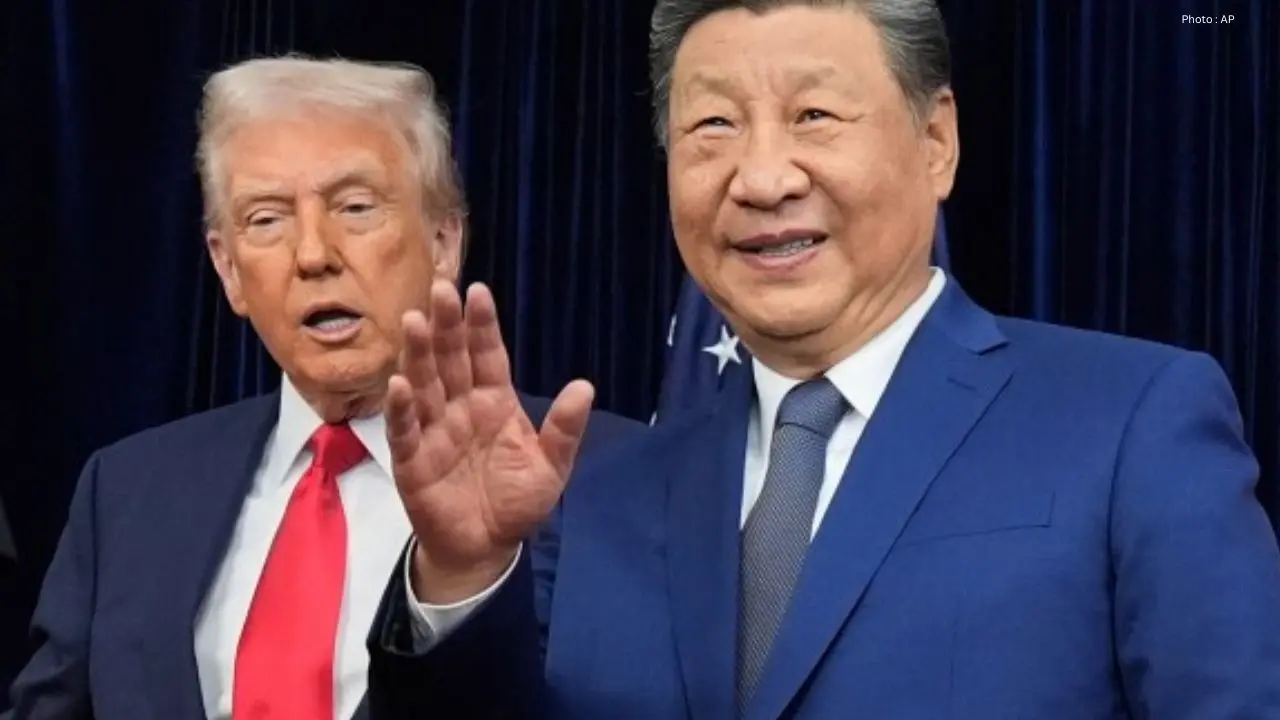
Ukraine promptly refuted the allegations. Ukrainian representatives asserted they had no intentions of targeting Putin or his properties, labeling the claims as a disinformation tactic by Russia. They contended that the motive behind this assertion was to foster distrust between Ukraine and its Western allies, particularly the United States. Additionally, Ukraine provided EU diplomats with a detailed brief, arguing that the allegations were designed to undermine the constructive dialogue recently held between U.S. President Donald Trump and Ukrainian President Volodymyr Zelenskiy.
European Union leaders voiced their agreement with Ukraine’s position. EU foreign policy chief Kaja Kallas denounced Russia’s accusation as a calculated diversion, encouraging acknowledgment only of statements supported by factual evidence. She highlighted Russia’s enduring assaults on Ukrainian cities and civilians since the onset of the war and advised caution regarding unverifiable allegations.
Furthermore, reports from the United States further discredited Russia’s claims. According to U.S. media, national security officials found no evidence supporting that Ukraine executed or intended to launch an attack on Putin or his residence. Though the claims were backed by a CIA assessment, Reuters could not verify the details independently, and no immediate comment was provided by the CIA.
The response from President Trump evolved over time. Initially, he indicated that Putin communicated anger regarding the alleged incident. Subsequently, Trump shared an opinion piece implying that Russia was obstructing peace endeavors, raising doubts about the validity of Moscow’s assertions.
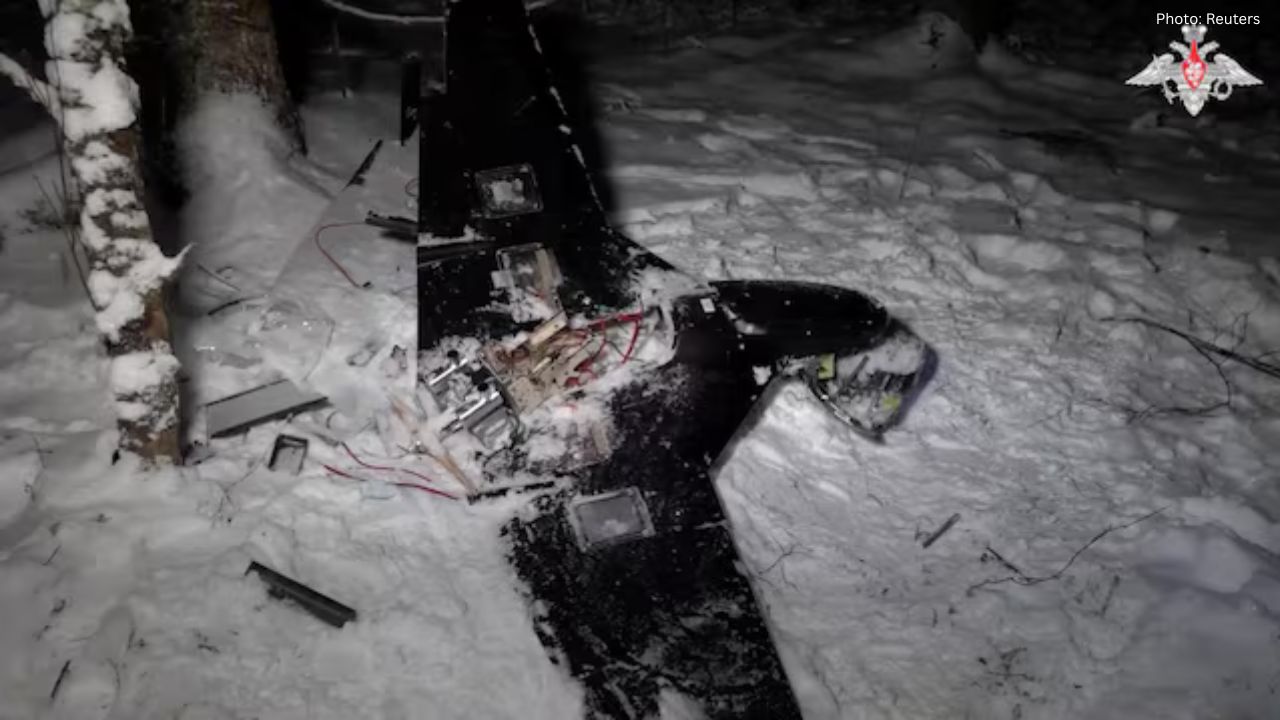
Russia’s defense ministry later presented video evidence purporting to show the remnants of a Ukrainian drone it claimed to have shot down. A high-ranking Russian officer stated that the drone was armed with unexploded explosives. However, Ukraine dismissed the footage, arguing it does not substantiate an attack and reiterating the falsity of the allegations.
Discrepancies in Russia’s accounts also drew attention. Initial reports suggested drones were intercepted across various areas, without specific ties to Putin’s estate, while later claims insisted all drones targeted this singular location. Ukrainian officials highlighted these inconsistencies as further proof of the claim’s lack of credibility, pointing out local media reports indicating that residents near the purported site heard no air defense activity that night.
This controversy underscores how information is wielded as a weapon within the conflict. Both camps aim to shape international narratives, particularly in Washington, where decisions could significantly influence the conflict's trajectory. Some Western officials believe that Russia may be employing such claims to delay pressure for serious peace negotiations.
Without independent verification backing Russia’s allegations, this incident exacerbates the existing tensions within an already intricate conflict. As the year unfolds, many observers express concern that unsubstantiated claims could hinder progress toward peace, particularly when calm discussions and verified facts are critically needed.