In 2025, the UAE healthcare sector made substantial strides, solidifying the nation's healthcare framework and bolstering its standing in global medical excellence. These advancements spanned diagnostics, treatment methodologies, research endeavors, public health initiatives, and legislative improvements, embodying the UAE’s sustained commitment to safeguarding community well-being and enhancing life quality.
Key national strategies were instrumental in this evolution, emphasizing cutting-edge infrastructure, proficient healthcare professionals, international collaborations, and progressive policies. In this vein, the UAE Cabinet sanctioned the National Policy for Mitigating Health Risks and revamped the UAE Health Council alongside the National Public Health Committee to foster better coordination and readiness.
A noteworthy legal update emerged with a Federal Decree-Law, revising regulations governing organ and tissue donation and transplantation. This modified law now aligns with global health standards and permits advanced treatment options, including animal-derived or artificially manufactured organs under stringent medical oversight, thereby prioritizing patient safety and curtailing unsafe practices.
The year also marked the unveiling of several infrastructure projects and investments. Health insurance provisions for Fujairah Government employees were approved, while Abu Dhabi launched a regional vaccine distribution center. Moreover, Dubai Healthcare City revealed an AED 1.3 billion expansion, incorporating a new medical complex. In Sharjah, three new pharmaceutical manufacturing facilities were set to emerge, with investments surpassing AED 308 million, thus enhancing local drug production capabilities.
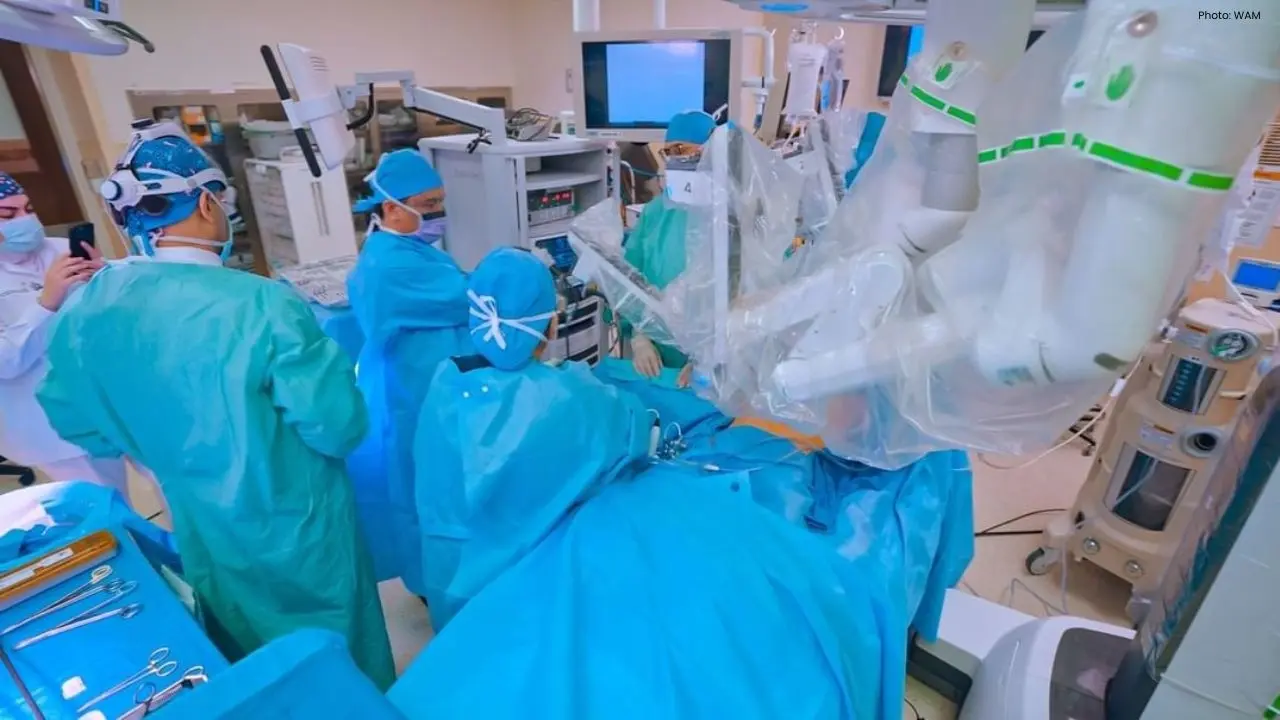
A significant collaborative project further strengthened the UAE's prowess in advanced diagnostics, bringing together NYU Abu Dhabi, Yas Clinic–Khalifa City, and the Abu Dhabi Stem Cells Centre. This initiative introduced AI-driven MRI analysis into clinical evaluations. Additionally, plans were unveiled for the establishment of the Middle East’s inaugural heavy-ion cancer therapy center, promising one of the most precise forms of radiation treatment available.
In public health, the Ministry of Health and Prevention achieved a major milestone by completing over 95 percent of both the National Health and National Nutrition Surveys. New scientific guidelines were issued for the National Tuberculosis Control Programme, reinforcing disease prevention efforts.
UAE healthcare institutions garnered international acclaim this year. Emirates Health Services was awarded global recognition for its Diabetes Clinical Care Programme, emerging as the world's largest accredited diabetes care network, and it became the largest CARF-accredited rehabilitation provider in the region, securing four global accolades.
On the global stage, the UAE ranked first in health awareness and community involvement. The Hayat program facilitated over 2,034 organ transplants while training upwards of 10,000 specialists, underscoring the country’s extensive efforts in chronic disease prevention through cutting-edge research initiatives.