Turkey is facing increased calls to revive peace negotiations with the Kurdistan Workers Party (PKK) after a significant political shift in Syria. The pro-Kurdish DEM Party argues that the Turkish government can no longer justify postponing discussions.
This demand intensified following a key agreement revealed on Sunday in Syria, whereby the Kurdish-led Syrian Democratic Forces (SDF) decided to operate under the Syrian central government in Damascus. Many perceive this development as a pivotal shift capable of influencing Turkey's enduring conflict with the PKK.
For years, Turkey has claimed that Kurdish groups in Syria maintain tight ties with the PKK, regarded as a terrorist entity by Ankara. Consequently, the government has frequently asserted the challenge of initiating peace talks while Kurdish armed forces remained autonomous across its borders.
The DEM Party contends that this rationale is now obsolete. They argue that the recent agreement eliminates one of the fundamental reasons Turkey has used to evade initiating dialogue.
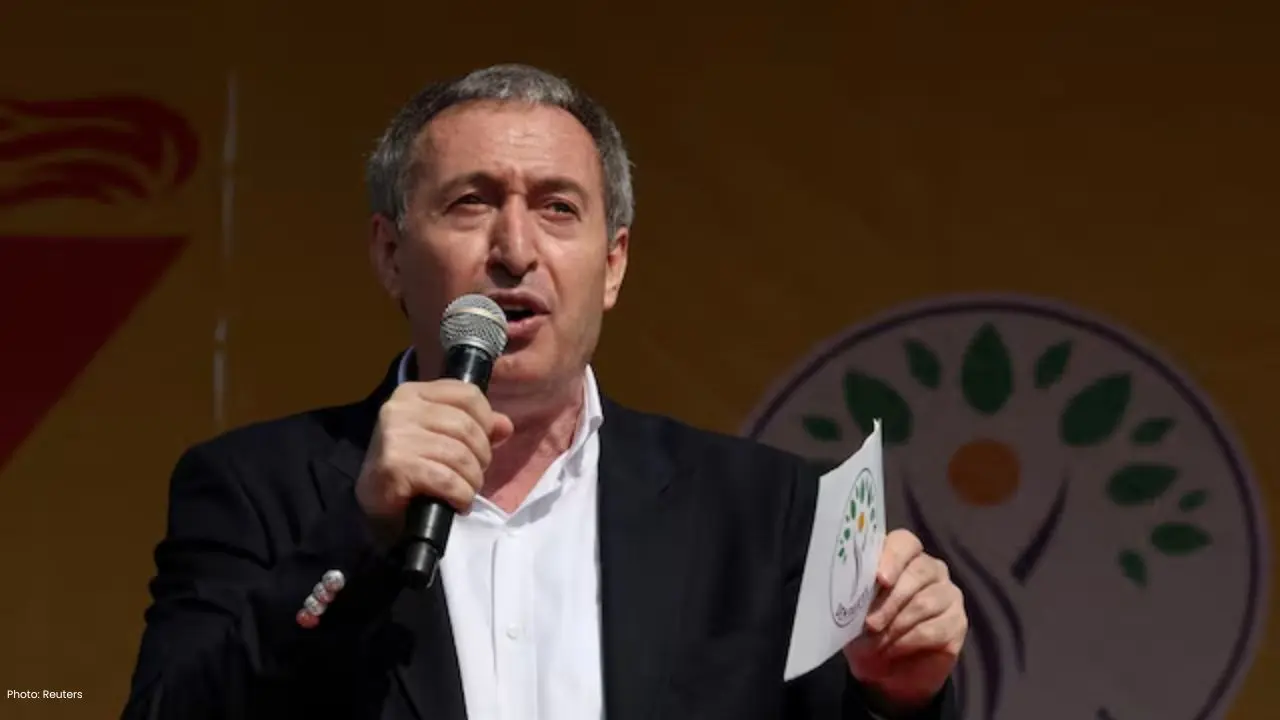
On Monday, DEM Party leaders urged the government to take immediate action and engage in serious discussions with the PKK. They emphasized that the current situation is crucial, as political dynamics in the region are rapidly evolving. They see this as a rare opportunity for Turkey to lessen violence, enhance stability, and address Kurdish political aspirations through diplomacy rather than military means.
The party further asserted that peace would be advantageous for all of Turkey, beyond just Kurdish populations. Ending the conflict could yield greater security, bolster economic growth, and promote social unity throughout the country.
The SDF has had considerable influence in Syria, particularly in the struggle against extremist factions. It dominates significant territories in the north and east and has garnered support from Western nations. This situation has long alarmed Turkey, which is concerned that a potent Kurdish populace near its borders might inspire separatist movements within its own territories.
However, the recent agreement alters that landscape. With the SDF agreeing to answer to Damascus, they are conceding a degree of their independence. This adjustment corresponds to Turkey's longstanding demand that Kurdish groups in Syria should not operate independently of the central government.
In light of these changes, Turkish Kurdish politicians advocate for Ankara to exhibit goodwill by addressing its own Kurdish issues through political dialogue.
The Turkey-PKK conflict has persisted for decades, resulting in tens of thousands of fatalities. Peace talks about a decade ago had ignited hopes for a sustainable resolution, temporarily halting the violence. However, those discussions ultimately faltered, resulting in renewed hostilities and eroded trust.
Since then, the Turkish government has primarily leaned on military and security responses, both domestically and in neighboring regions. Many Kurdish citizens feel political avenues have been sidelined, while officials maintain that a robust approach is essential to safeguard national integrity.
According to the DEM Party, the Syrian agreement has shifted the regional power dynamics. With Kurdish forces in Syria now tethered to the central government, Turkey's paramount security concerns are alleviated. The party cautions that eschewing negotiations could deepen societal fractures and squander a significant opportunity for peacemaking.
Analysts also hint that a renewed peace process might enhance Turkey's relations with its neighbors and diminish the threat of future conflicts.
As of now, the Turkish administration has not clearly articulated its intentions regarding the resumption of peace discussions. Officials reiterate that security remains their primary focus, insisting that armed factions must entirely abandon violence.
Nevertheless, pressure mounts from Kurdish political figures, civil organizations, and observers who believe lasting peace cannot be achieved solely through military force. Many assert that recent developments in Syria present a new opportunity, and Turkey’s decisions in the coming days could significantly shape its future.
Currently, the DEM Party's stance is unwavering: the opportunity for peace exists, and they urge the government to seize it.