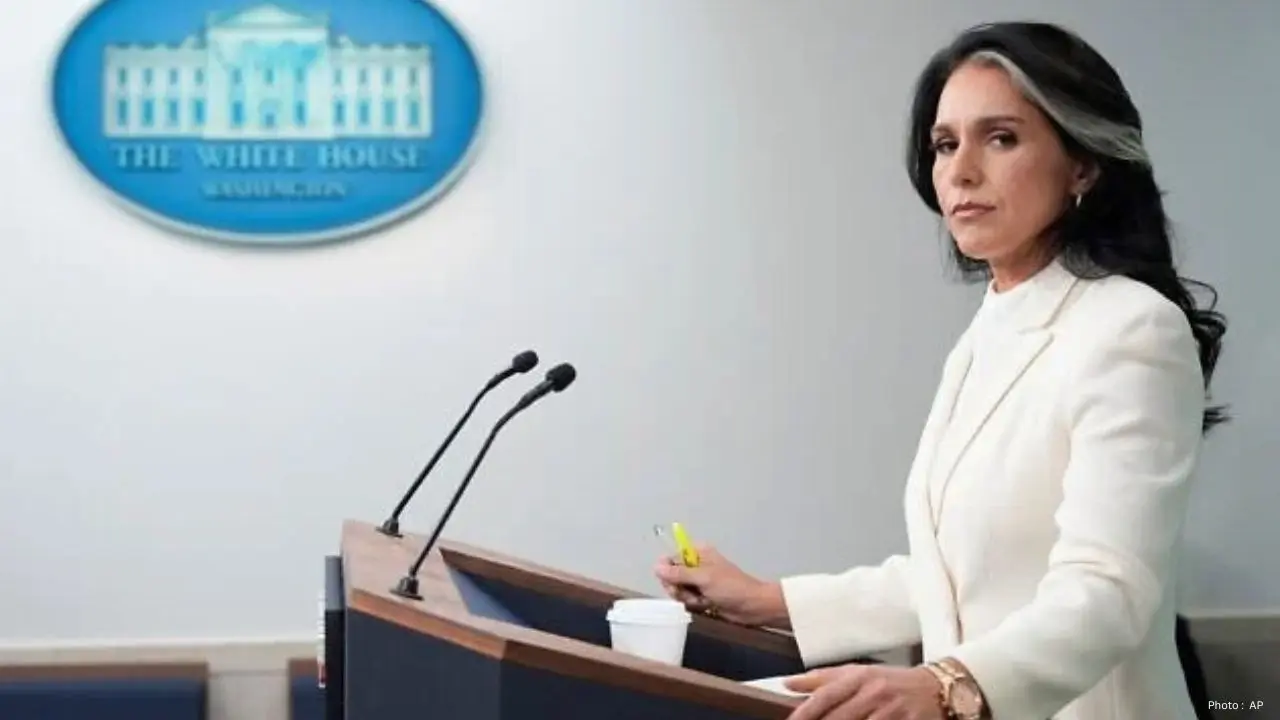
Tulsi Gabbard, head of US intelligence, has stepped down, highlighting her husband's health issues as a key reason. However, her resignation has ignited political speculation, with some reports suggesting she faced internal pressure and disagreements within the administration.
The announcement has stirred considerable discourse in Washington, raising questions about the true motivations behind her exit. While Gabbard attributed her decision to family matters, insiders hinted at possible conflicts within the administration that may have influenced her departure.
As a prominent figure in recent American politics, Gabbard is known for her unconventional views and a strong stance on foreign policy that resonates with various audiences. Her career encompasses congressional service, military background, and involvement in presidential campaigns. Over time, she has become recognized for her willingness to challenge established political norms, particularly concerning military intervention and intelligence strategies.
Reports indicate that personal reasons drove Gabbard's resignation, primarily the need to care for her husband's medical condition, prompting bipartisan support and goodwill messages from political leaders.
Simultaneously, media analysis and commentary have raised potential issues surrounding internal disputes within the administration. Some sources have revealed growing rifts over national security policies, although no official confirmation exists regarding claims of coercion for her resignation.
This situation underscores the public interest in shifts in leadership within intelligence and security sectors due to their implications on national strategy and international relations. Intelligence leaders are tasked with crucial responsibilities related to security assessments and addressing global threats.
Political analysts note that resignations at high levels in Washington often lead to speculation, particularly when they concern outspoken figures. Factors both personal and political frequently contribute to such significant career decisions.
Gabbard's public persona distinctly contrasts with traditional politicians, as her military service and advocacy for restrained foreign policy resonate with voters averse to extensive overseas military engagements. Her emphasis on diplomacy and measured military action has sometimes provoked tensions with those advocating for more aggressive policies.
The discourse surrounding her departure has drawn extra attention amidst ongoing debates in the United States about foreign policy, security priorities, and America's global role.
Observers note that foreign policy remains a deeply divisive issue in Washington, encompassing relations with major countries, military expenditures, and intelligence practices. Therefore, leadership conflicts within administrations are common.
Supporters commend Gabbard for her courage in addressing challenging issues, while critics scrutinize some of her prior positions and statements regarding foreign policy.
This situation also illustrates the intense pressures political leaders face, particularly within the realms of intelligence and national security, characterized by demanding responsibilities and relentless public observation.
Concerns regarding family health have influenced many political figures' decisions to resign, with some seeking to prioritize personal responsibilities during challenging periods.
In the US, changes in intelligence leadership are closely scrutinized, as they can impact security policies, international alliances, and decision-making. Leadership transitions at these levels can shape upcoming administrative focuses and internal operations.
Experts suggest that the discourse surrounding Gabbard's exit will persist, especially if further insights emerge regarding potential policy disagreements or internal strife. At present, official statements underscore familial motivations for her departure.
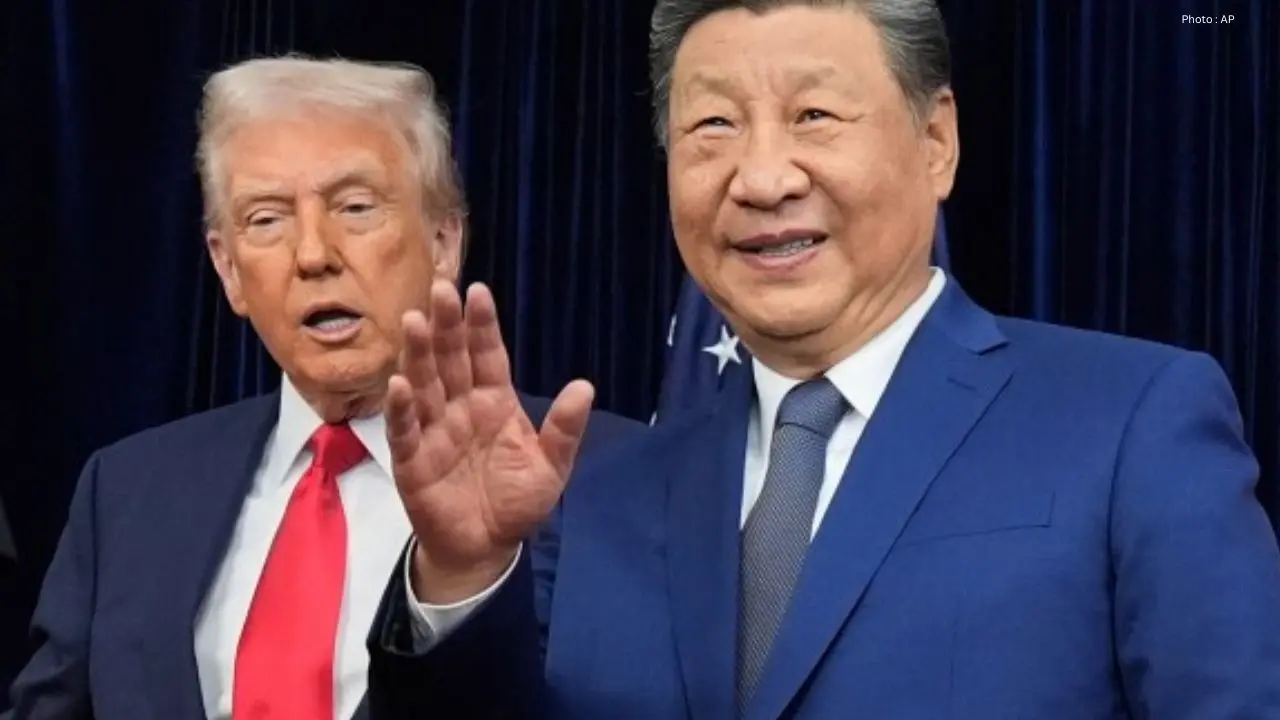
This resignation takes place during a surge of international tensions involving critical global matters, including issues in the Middle East and the US's relations with China and Russia.
As public discussions evolve, many Americans remain intrigued by whether the resignation arose mainly from personal concerns or broader political disputes within the leadership.
Tulsi Gabbard's exit signifies a notable event in contemporary American political and intelligence discourse. Whether perceived as a personal choice or a reflection of deeper political conflicts, her resignation has emerged as a crucial topic in Washington and beyond.