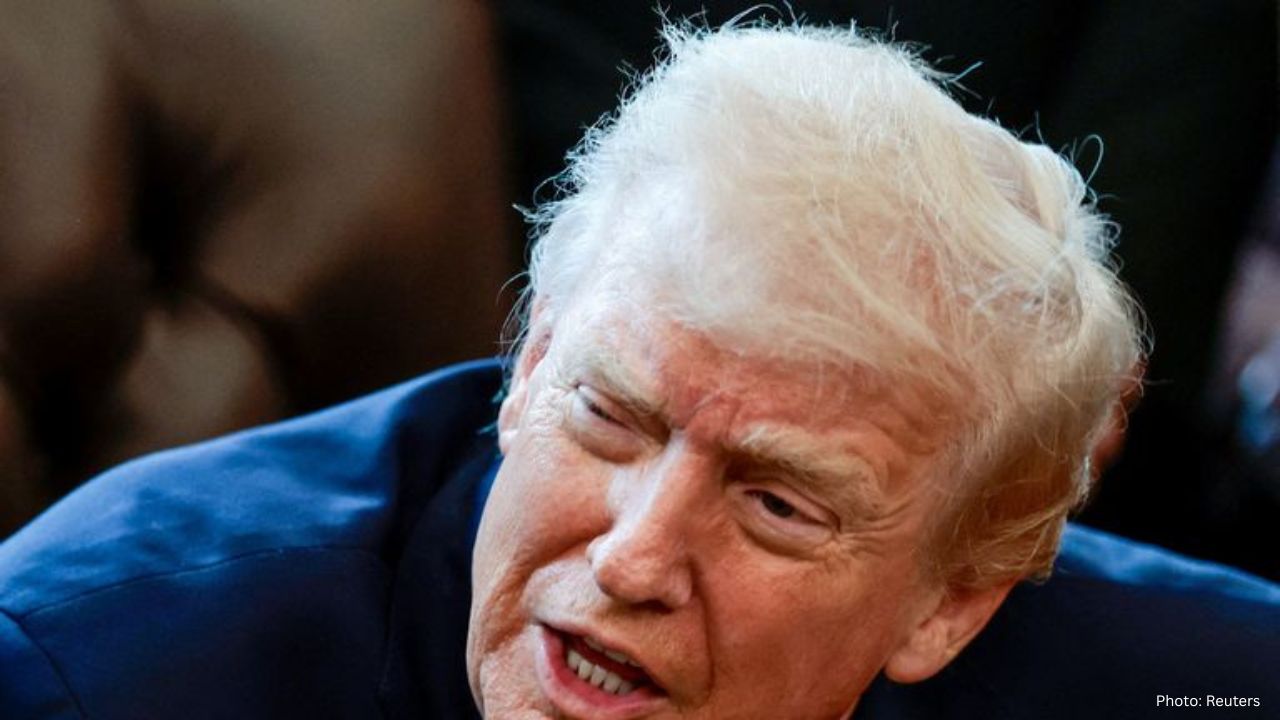
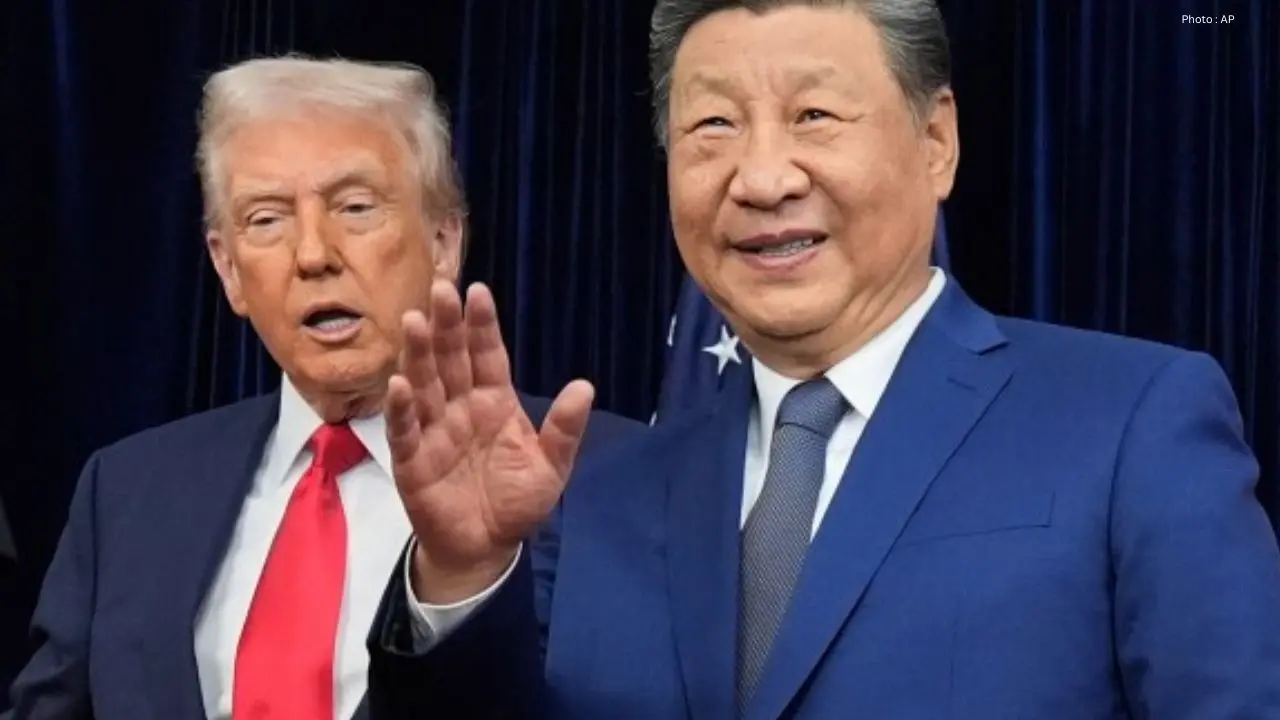
In the U.S., it is customary to name structures and vessels after significant leaders posthumously. However, President Donald Trump is breaking that tradition by branding public institutions while still in office. This unusual decision has caught the attention of supporters, critics, and historians alike.
Known for his branding expertise, Trump has previously attached his name to hotels, golf courses, and even bottled water. As president, he is now extending this branding strategy to the fabric of government itself. His name is starting to appear on key national buildings, programs, and military plans.
Notably, the renowned Kennedy Center in Washington, D.C., now bears the title Donald J. Trump and John F. Kennedy Memorial Center for the Performing Arts. Originally established in 1964 to honor President John F. Kennedy, the center's board—largely appointed by Trump—made this controversial decision, prompting some artists to withdraw their performances in protest.
Another significant rename includes the U.S. Institute of Peace, a government entity aimed at conflict prevention, which recently became the Donald J. Trump Institute of Peace. The Trump administration cited the move as recognition of the President's role in advancing peace efforts, despite ongoing conflicts that critics argue render the name change superficial.
Trump's branding even extends to the military, with plans for a new class of Navy battleships dubbed the “Trump-class.” These ships are still in preliminary designs, with no confirmation of their actual construction. Should they come to fruition, they would mark the first instance of a sitting president's name linked to a class of warships.
Various government programs are similarly being rebranded, such as a new savings initiative for children referred to as “Trump Accounts” and the proposed “Trump Gold Card” visa program for affluent immigrants. A government website for affordable medications is also branded TrumpRx.gov.
Supporters argue that this represents decisive leadership, asserting that it makes clear who is influencing significant government changes. The administration defends that the emphasis is on substantive outcomes, like reduced drug prices and enhanced peace initiatives.
Critics express concern, arguing that using a president's name for public services risks implying ownership of government by one individual rather than the electorate. Historical perspectives suggest that previous presidents typically received such honors only after leaving office. Many believe that any name changes might be reversible by future administrations.
Experts cast doubt on whether these branding efforts will forge a durable legacy. Effective legislation often leaves a more substantial mark than mere name adjustments, and if political tides turn, many of these designations might vanish.
Currently, Trump's name is becoming intertwined with America's public identity in an unprecedented manner. Whether this strategy will be viewed as visionary leadership or fleeting publicity will ultimately be judged by future voters and leaders.