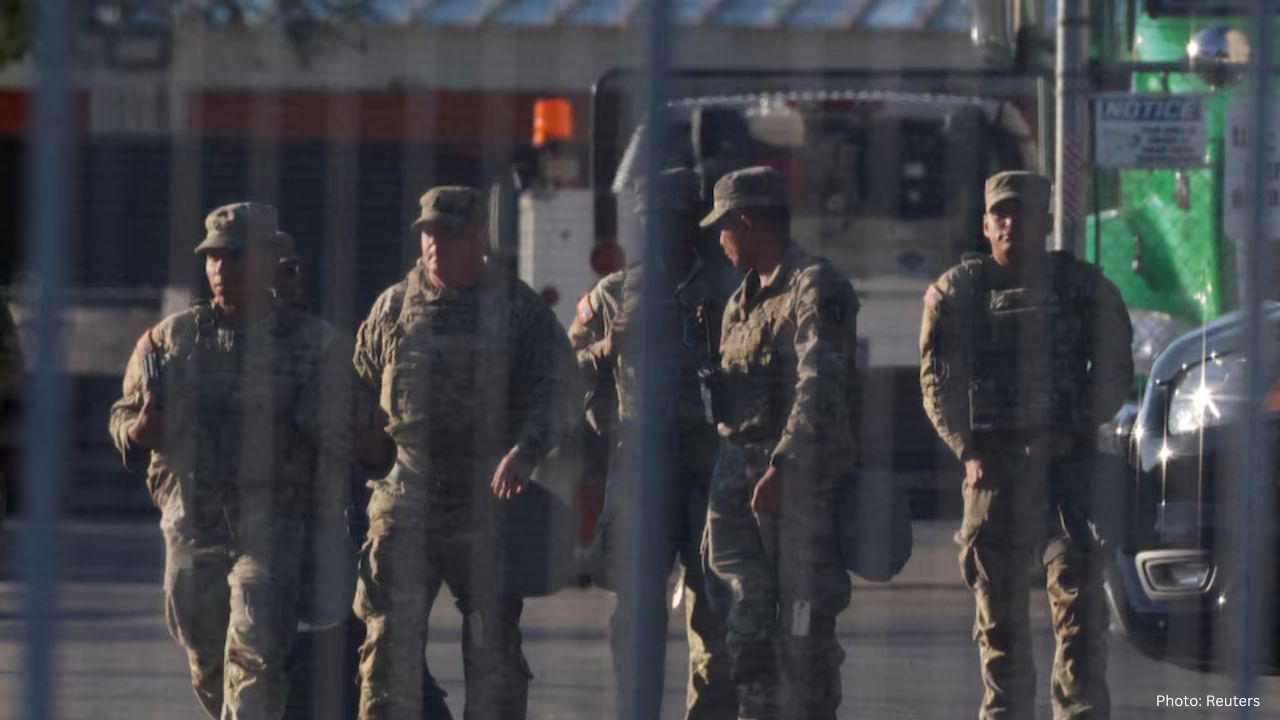
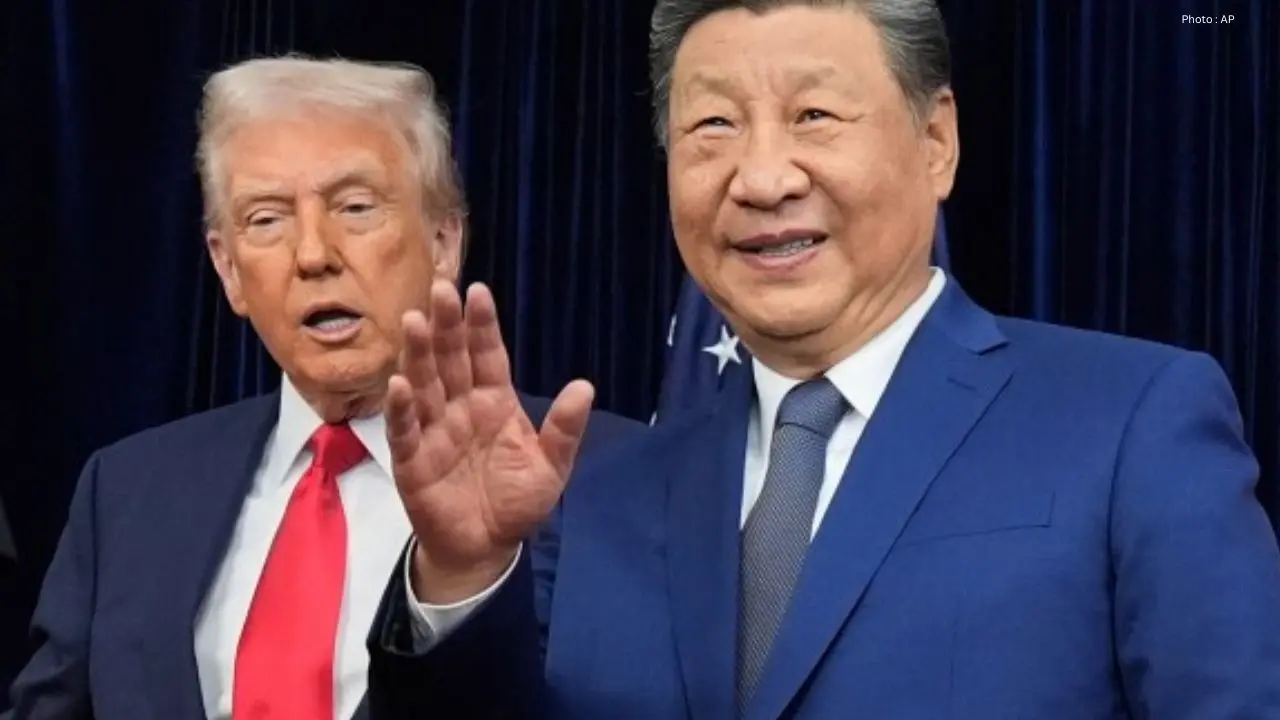
President Donald Trump has declared the withdrawal of National Guard troops from three significant U.S. cities—Chicago, Los Angeles, and Portland. At the same time, he cautioned that federal forces might return if crime rates see an uptick.
In a social media update, Trump stated that the presence of the National Guard had contributed to the decline in crime across these urban areas. He emphasized that a resurgence in crime could lead to federal forces coming back in "a much different and stronger form."
The deployment of National Guard troops has sparked controversy since its initiation. Leaders in Chicago, Los Angeles, and Portland, along with Democratic lawmakers, vehemently opposed the move, arguing that it was unnecessary and accused the Trump administration of overstating crime and violence related to protests to justify their presence. Many local officials expressed that the action exemplified federal overreach.
Additionally, this policy faced serious legal scrutiny, with courts repeatedly ruling against the Trump administration, asserting that there was no substantial evidence requiring National Guard troops for the protection of federal facilities or personnel. Judges involved in lawsuits from cities indicated that the federal government had overstepped its authority.
Trump’s announcement came just before a critical legal setback. A federal appellate court mandated the return of numerous California National Guard troops to Governor Gavin Newsom's control. Earlier on December 23, the U.S. Supreme Court halted Trump's move to deploy National Guard forces in Illinois, asserting that the president’s authority to commandeer state National Guard units exists only in rare and exceptional cases.
The Supreme Court clarified that the federal government had not provided sufficient legal rationale for utilizing military forces to enforce laws in Illinois. This ruling weakened the foundation for similar deployments in other states.
Local officials swiftly reacted to Trump’s statement. Governor Newsom’s office indicated that the withdrawal was a result of legal setbacks rather than a direct decision by Trump. Chicago Mayor Brandon Johnson’s office shared data revealing that the city recorded its lowest violent crime rate in over a decade in 2025, with incidents dropping more than 21% compared to the previous year.
Trump first deployed National Guard units in June amid protests against his stringent immigration policies and heightened deportation efforts. He also called in troops to Washington, D.C., asserting that crime was spiraling out of control. However, official crime statistics from numerous cities did not corroborate those claims.
While Trump maintains that the troop deployments aided in lowering crime rates, critics suggest that local governments and judicial bodies have decisively rejected his tactics. This withdrawal represents a new chapter in the ongoing discourse regarding the limits of presidential power, public safety, and the utilization of military forces in civilian scenarios.