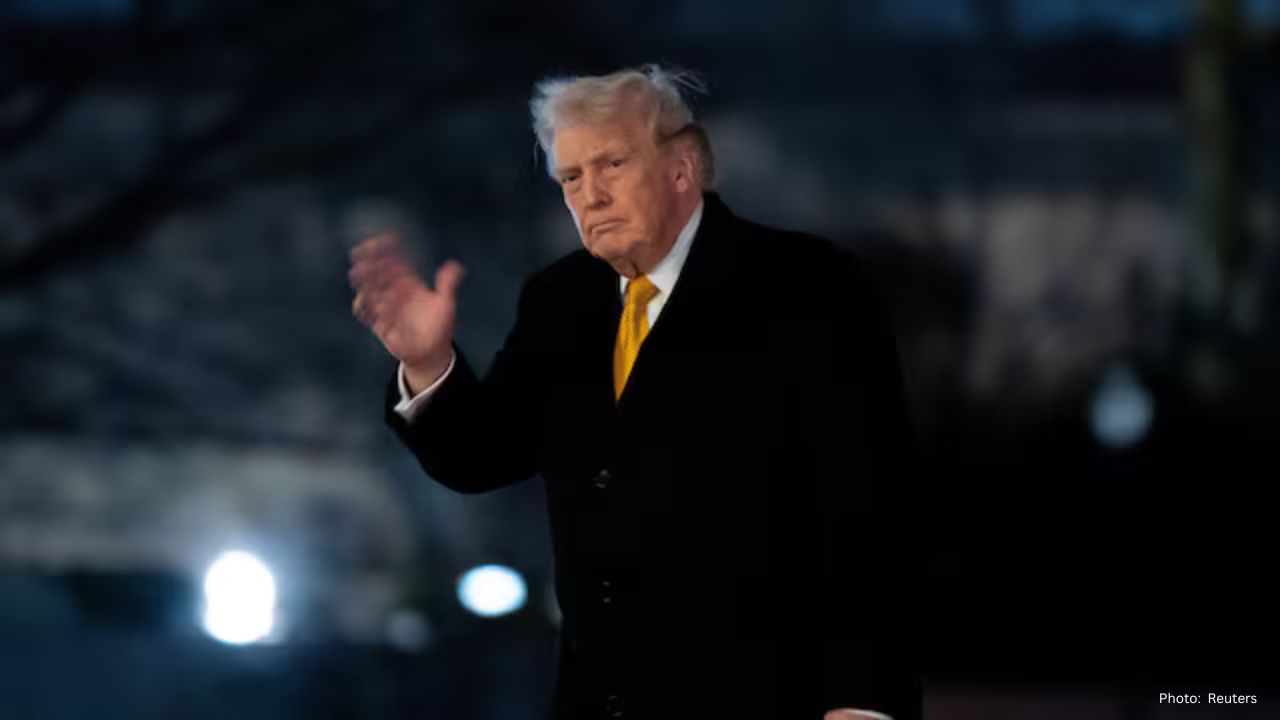
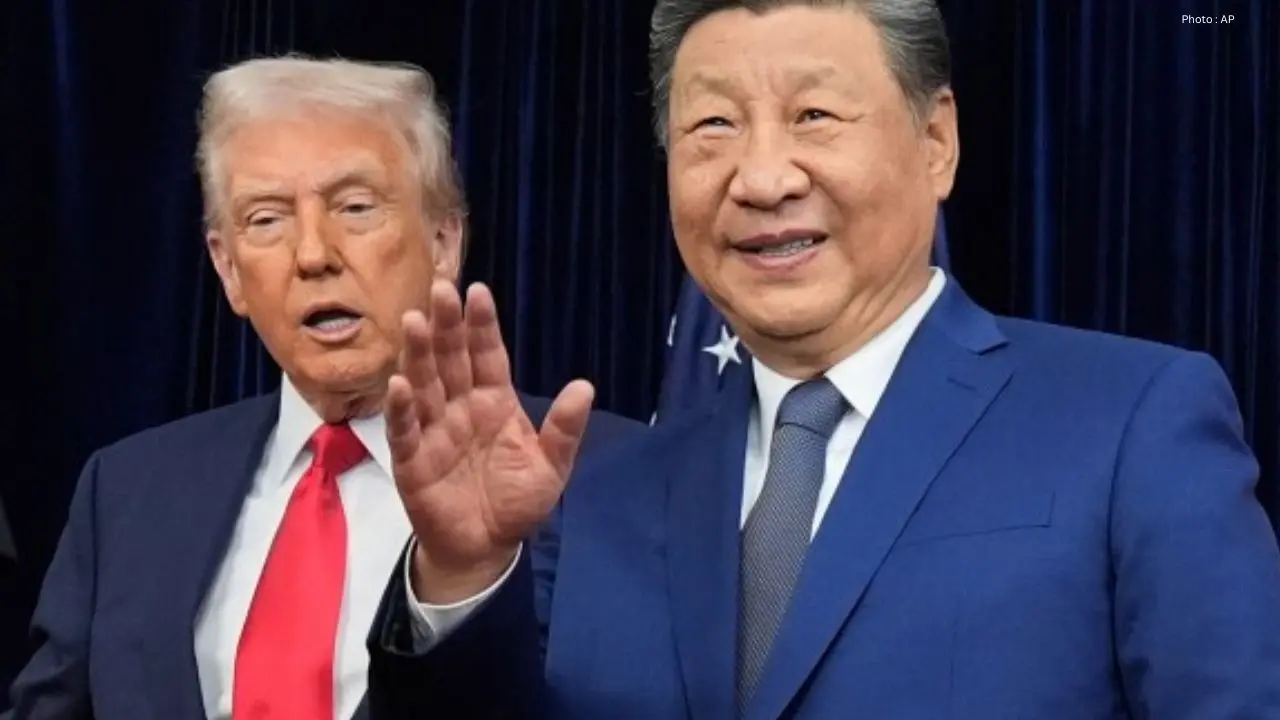
The U.S. has reiterated its dissatisfaction with India's acquisition of Russian oil. President Donald Trump declared on Sunday that higher tariffs could be imposed on Indian products if New Delhi persists in importing oil from Russia.
While aboard Air Force One, Trump stated, “Modi is a good guy. He was aware of my discontent, and it's vital to appease me.” He further remarked, “They conduct trade, and we can swiftly increase tariffs against them.” This statement follows the United States' decision to double import tariffs on Indian goods to 50% last year, responding to India's significant reliance on Russian crude oil.
Interestingly, despite these elevated tariffs, India's exports to the U.S. exhibited growth in November, reflecting durability in their trade ties. Indian officials have maintained a steadfast approach, revealing little willingness to accommodate U.S. requests, particularly regarding agricultural imports. Nevertheless, recent data indicate India is curbing its purchases of Russian oil.
In order to enhance monitoring of trade, India is requesting weekly updates from its refiners concerning oil imports from both Russia and the United States. Authorities anticipate that imports of Russian crude may dip below one million barrels per day, partly to support a potential agreement with Washington.
Diplomatic dialogues are ongoing, yet a resolution remains elusive. Prime Minister Narendra Modi and President Trump have communicated via phone at least three times since the tariffs were enacted, but discussions have yet to yield fruitful results. Last month, India’s Commerce Secretary, Rajesh Agrawal, met with U.S. Deputy Trade Representative Rick Switzer in New Delhi to deliberate on trade and economic collaboration.
This situation underscores the increasing friction between India and the United States over energy and trade policies. Although the two nations are vital partners on the global stage, their disputes regarding Russian oil imports present a new hurdle. Markets and policymakers are closely monitoring developments, with anticipation of either a compromise or further tariff escalation.
As India navigates its energy requirements alongside diplomatic and trade considerations, the ramifications of these discussions will be significant, impacting both bilateral trade and the broader global energy landscape.