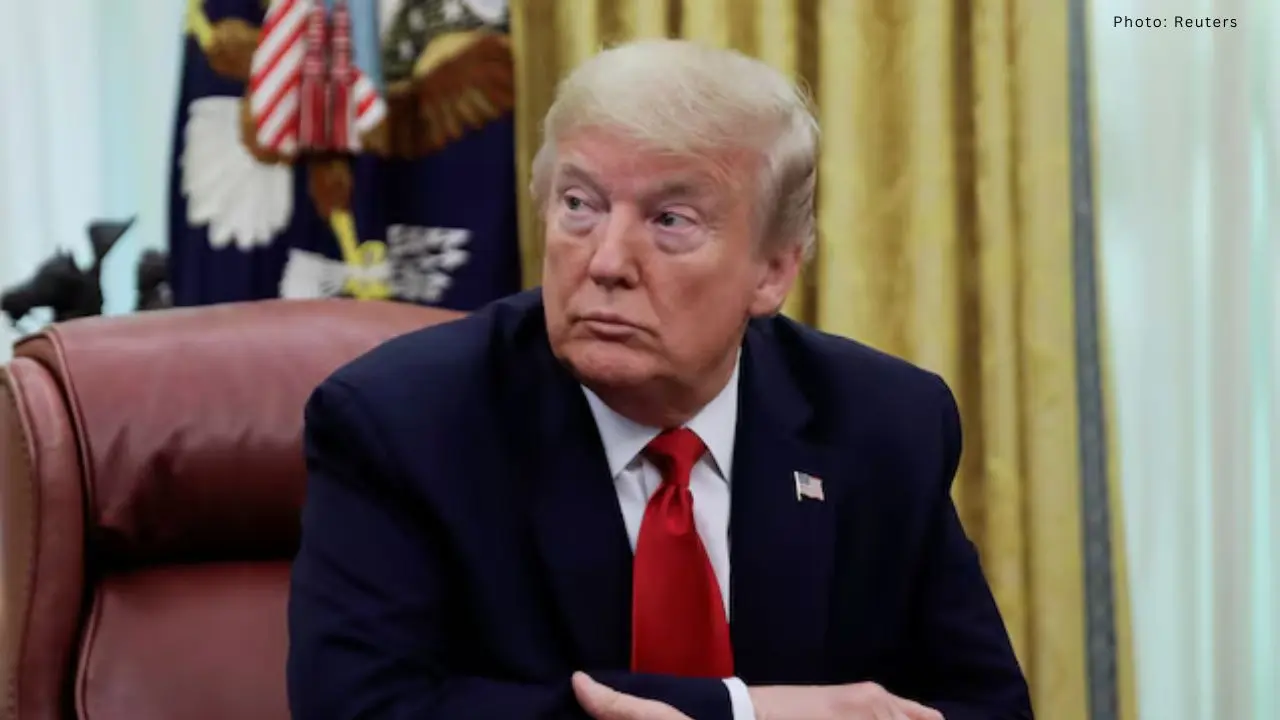
The initiative by U.S. President Donald Trump to enhance oil imports from Venezuela poses significant challenges for American oil producers. While intended to maintain lower fuel prices for consumers, this strategy puts additional strain on an industry that is already grappling with depressed oil prices and escalating costs.
Trump has consistently advocated his “drill baby drill” philosophy, assuring lower energy costs and reduced prices at the pump. As part of this strategy, he is urging U.S. oil firms to aid in reviving Venezuela’s oil sector and channel its crude oil to the U.S. Venezuela possesses some of the largest oil reserves worldwide, yet its output has plummeted for years due to sanctions and infrastructural issues.
On the surface, Venezuelan oil appears appealing. U.S. refineries, particularly those along the Gulf Coast, are optimized for processing heavy crude oil akin to Venezuela’s. Refineries could reap benefits from a continuous stream of less expensive oil. However, this very supply is creating a dilemma for U.S. producers.
U.S. oil prices are currently below the margin necessary for many producers to operate profitably. Most shale companies require prices around $65 per barrel to maintain operations comfortably. Conversely, prices have dipped under $60, leading to workforce reductions, decreased drilling activities, and postponed investments.
Major players like Chevron, Exxon Mobil, and ConocoPhillips have already let go thousands of employees. Smaller shale entities are at even greater risk, given their limited financial reserves to endure extended periods of low prices.
Industry analysts caution that injecting millions of barrels of Venezuelan oil into an already saturated market will drive prices lower still. This may further compress profit margins and compel U.S. producers to curtail production. Some experts warn that if oil prices dip to $50 per barrel, American oil output could sharply drop.
This scenario sheds light on an evident policy contradiction. Trump aims for lower fuel prices to combat inflation and assist consumers while simultaneously advocating for American energy producers. However, reduced prices mean lower profits, and when profits dwindle, production doesn’t rise.
U.S. oil output hit historical highs in 2025, yet projections indicate a potential decrease in 2026. Many drilling firms report depleting top fields and rising production costs. Even with cutting-edge technology, there are constraints on how much oil can be produced economically.
The situation is further complicated by global dynamics. While OPEC has paused on increasing production, it could resume to contend with U.S. shale producers. If this occurs alongside the ongoing influx of Venezuelan oil into the U.S., prices could remain under sustained pressure for an extended period.
For now, many U.S. oil producers are in a state of anticipation, hoping for signs of recovery in oil prices or a trend of sustained low rates. The decisions made today could redefine the landscape of American energy, employment, and investment.
In the foreseeable future, Trump’s Venezuelan oil strategy may benefit consumers short-term but risks undermining domestic oil producers. Achieving the right equilibrium between low prices and a robust energy sector presents a significant hurdle for U.S. policymakers.