Tensions have escalated between the U.S. and Iran after President Donald Trump admonished Tehran for its approach to the intensifying protests across the nation. His comments come in the wake of unrest driven by soaring prices and a plummeting currency, marking a significant challenge for Iran's leadership.
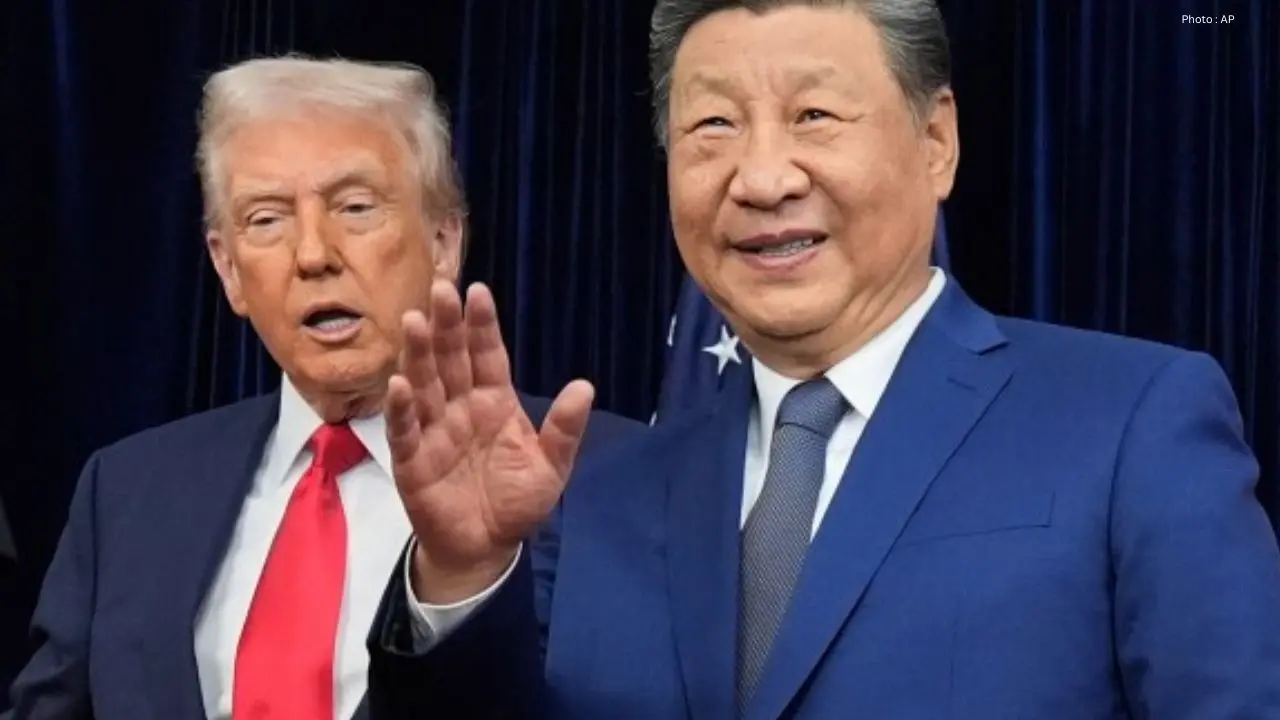
On Friday, Trump took to social media, asserting that the United States was “locked and loaded” to assist Iranian demonstrators should security forces open fire. This statement followed reports of fatalities during confrontations between protestors and Iranian security personnel, internationalizing what initially stemmed from local economic discontent.
Iranian officials swiftly dismissed Trump's remarks. Ali Larijani, a senior adviser to the Supreme Leader and head of the National Security Council, warned that any U.S. interference in Iranian affairs could destabilize the entire region, stating that the U.S. would bear the consequences, given its military presence in the Middle East.
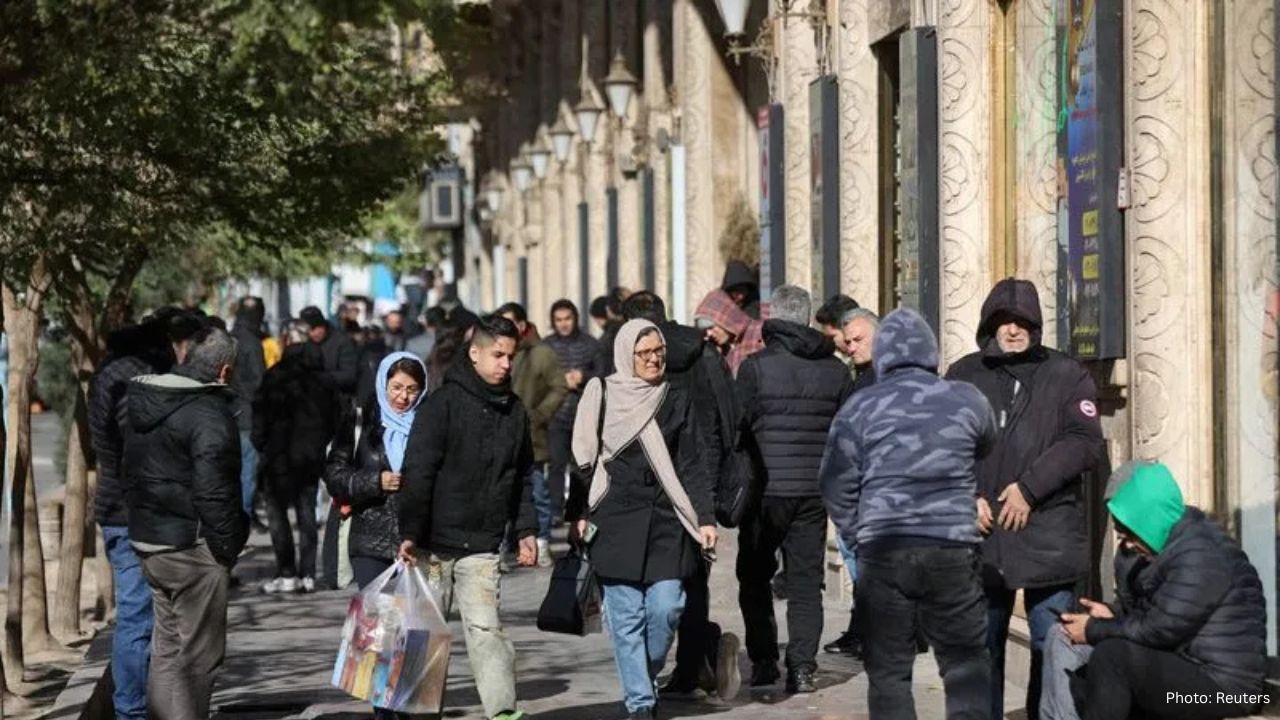
Beginning earlier this week, protests have erupted in multiple provinces, particularly in western Iran. Locations such as Lorestan and Chaharmahal and Bakhtiari have seen the most pronounced clashes with security forces. Reports from various rights groups and state-controlled media indicate that at least six lives have been lost thus far, though independent verification is challenging.
The unrest has been primarily fueled by economic hardships, as the Iranian rial has significantly devalued, leading to skyrocketing prices for everyday goods. Official inflation rates have exceeded 36%, while salaries have failed to keep pace, causing many to struggle with basic necessities such as food and fuel.
Verified video footage by Reuters shows large crowds forming near burning structures, accompanied by background gunfire and protests targeting authorities. In retaliation, local leaders issued stern warnings against illegal gatherings, raising concerns that violence could intensify.
Notwithstanding the hardline approach from security forces, Iran’s newly elected president, Masoud Pezeshkian, has opted for a softer public stance, promising dialogue with protest leaders and acknowledging governmental shortcomings. In a rare moment of candor, he urged that authorities must not pin the blame on external entities but should instead act responsibly to address the citizens’ issues.
Nonetheless, reports from rights organizations indicate that arrests continue, with the Hengaw human rights group stating that numerous demonstrators, including women and children, have been detained. State media also reported arrests across various cities, with accusations of possession of petrol bombs and improvised weapons against some detainees.
Having faced multiple waves of protests historically, Iran has often quelled dissent through mass detentions and force. However, analysts warn that the current climate poses greater risk due to severe economic malaise, international sanctions, and increasing military pressures from Israel and the U.S. Recent strikes on Iranian-affiliated targets and setbacks faced by Iran’s regional allies have exacerbated these tensions.
As protests persist and foreign threats amplify, Iran is now squeezed by dual pressures: mounting domestic discontent and escalating international tensions. The path forward remains uncertain, as the nation grapples with one of its most significant crises in recent memory.