The ongoing military exchanges between Israel and Iran have heightened concerns about regional stability and the status of diplomatic talks. Despite these developments, U.S. President Donald Trump expressed optimism that peace negotiations will persist and asserted that recent military actions won't derail efforts toward a diplomatic resolution.
This assertion comes during a period where there are fears that renewed military engagements could undermine months of negotiations. The Middle East has long been a hotspot for conflict, and each new confrontation raises alarms about a potential larger-scale war. Even amidst military actions, diplomatic avenues remain open, leading to a complex landscape where talks and warfare exist side by side.
The recent strikes underscore the entrenched mutual distrust between Israel and Iran, both of which regard each other as significant security threats. Their ongoing rivalry not only fuels military encounters but also significantly influences regional political dynamics and security calculations.
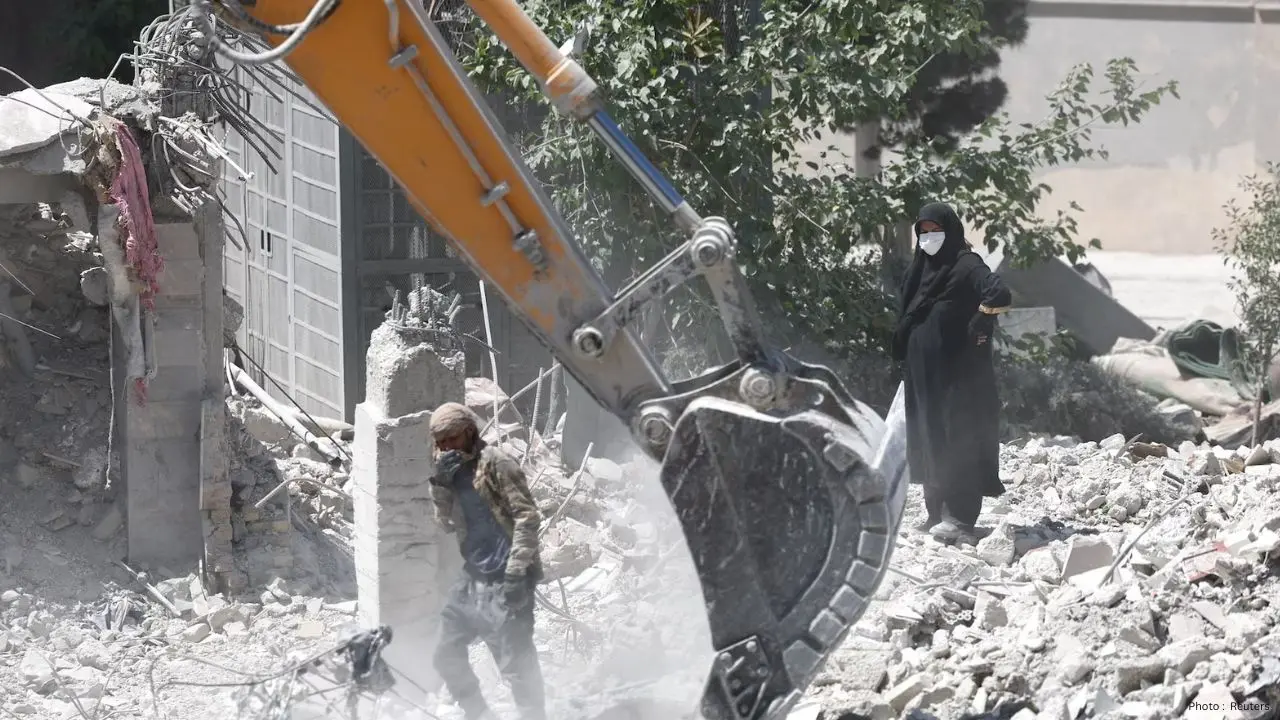
Reports detail that Israeli forces targeted locations linked to Iranian military activities, prompting a retaliatory missile response from Tehran. This exchange has raised fears that hostilities could escalate further, potentially involving other nations or militant groups.
Nonetheless, President Trump exudes confidence regarding the peace processes. He argues that military incidents do not inherently spell doom for negotiations. In his opinion, discussions aimed at de-escalating tensions can persist, even amid disorder. His comments aim to reassure both global partners and financial markets that a peaceful resolution remains achievable.
Negotiators are facing considerable challenges; diplomatic efforts require patience and adaptability. However, military actions often complicate these aims, amplifying public pressure on decision-makers and intensifying grievances. Each new incident can fortify hardline stances and erode trust among negotiators.
Conversely, proponents of diplomacy argue that tense periods often necessitate negotiations the most. History has shown that significant agreements sometimes follow lengthy confrontations. Advocates for continued dialogue stress that abandoning discussions during crises raises the risk of spiraling into severe conflict.
This unfolding situation also bears significant implications for the global energy market. The Middle East remains a pivotal region for oil production and transportation, and any intensified military actions could disrupt supplies and threaten shipping security. Investors and governments closely monitor developments, as instability could alter fuel prices and economic conditions far beyond the immediate region.
A particular focus is on the Strait of Hormuz, a crucial artery for global oil exports. Threats to navigation in this region can have rapid repercussions for international trade and energy supplies. While major disruptions have yet to occur, the potential remains a constant concern during times of heightened tensions.
The ongoing conflict holds critical political ramifications. Leaders across various nations strive to balance backing their allies while averting an expansive regional crisis. Diplomatic engagement, discreet discussions, and international mediators are increasingly pivotal in navigating the landscape.
For Israel, national security is paramount. Officials assert their commitment to neutralize threats deemed dangerous to their sovereignty. From their viewpoint, military actions are deemed necessary responses to looming risks.
Conversely, Iranian leaders contend they retain the right to defend their interests against assaults. Tehran argues that external pressure and military actions will not compel them to relinquish their strategic ambitions. This divergence in perspectives complicates the negotiation process and perpetuates the cycle of confrontations.
In recent years, the broader region has seen escalating instability. Conflicts in nearby nations, skirmishes involving armed factions, and rivalries among regional powers have created a fragile environment where tensions can escalate suddenly. As such, even minor military exchanges are often met with global apprehension.
The economic repercussions are another critical aspect. Ongoing instability can hinder investment, disrupt commerce, and generate uncertainty for businesses. Increased energy prices affect consumers worldwide, raising costs across various sectors. Hence, developments in the Middle East attract considerable attention well beyond local borders.
This situation illustrates the intricate balance between military actions and diplomatic efforts. While negotiations pave the way for easing tensions, ongoing military strikes present significant hurdles to progress. Both factions are influenced by domestic and strategic pressures that complicate their choices, adding layers of complexity to the peace dialogues.
Global leaders continue to advocate for restraint and dialogue, believing a negotiated resolution is the optimal path to avoiding larger-scale conflicts. Although diplomatic solutions may take time, they are generally regarded as a sustainable alternative to military initiatives.
The rivalry between Israel and Iran has long impacted regional politics, and the latest military actions reiterate the associated dangers. Yet, President Trump maintains that the peace dialogue is not extinguished, and that negotiations can endure through current strains. The upcoming weeks will be crucial in determining if diplomacy can rise above the obstacles presented by renewed military tensions and guide the region toward a more stable future.