Photo:Reuters
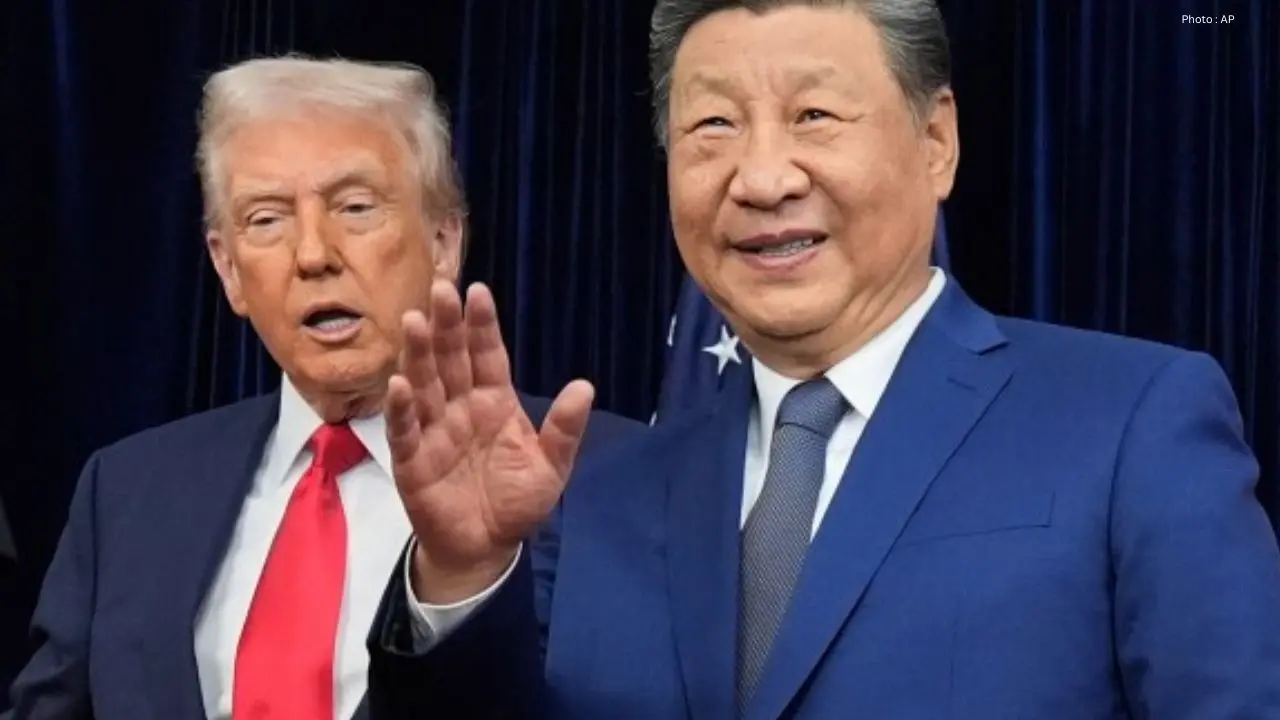
The upcoming meeting between former US President Donald Trump and Israeli Prime Minister Benjamin Netanyahu at the White House has drawn worldwide attention. Central to their talks will be the Gaza peace plan, a proposal that aims to reduce violence, allow aid to flow more freely, and move closer toward a long-term political solution between Israelis and Palestinians. At a time when the humanitarian situation in Gaza is worsening, this meeting is seen as an attempt to push forward a new path that could influence the region’s future.
A Critical Meeting at a Difficult Time
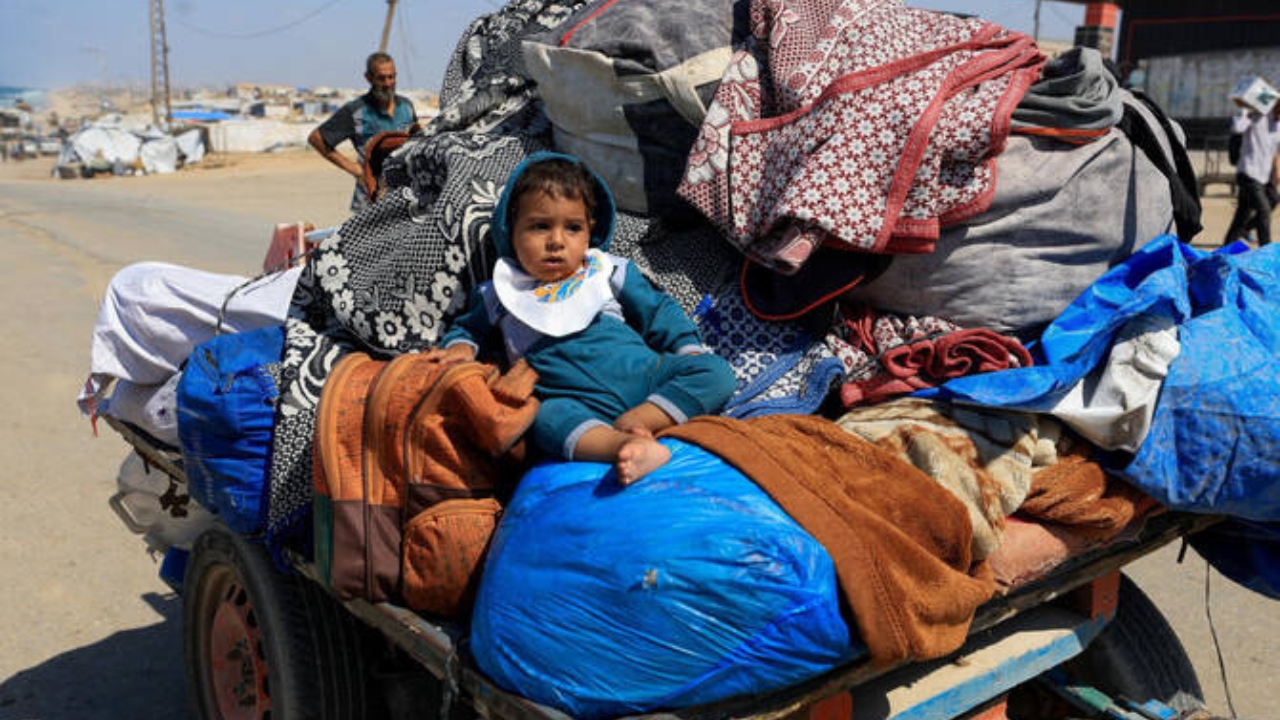
The backdrop of the meeting is one of deep crisis. Conflict in Gaza has left thousands dead, displaced countless families, and destroyed basic infrastructure, making daily survival extremely difficult for civilians. International calls for peace have been growing louder, with the United Nations, European powers, and Arab countries urging both sides to agree on a ceasefire and open humanitarian access. Against this urgent situation, the Trump-Netanyahu talks carry great significance.
Trump, who has long prided himself on his role in brokering Middle East agreements, including the Abraham Accords, appears determined to carve a fresh role for himself as a mediator. By inviting Netanyahu to the White House, he is signaling his intention to engage America once again in shaping a resolution to one of the world’s most enduring conflicts.
Trump’s Strategy on the Peace Plan
According to reports, Trump will urge Netanyahu to commit to a peace roadmap that includes several key points:
- A long-term truce in Gaza that may halt military escalation.
- Increasing humanitarian aid to allow food, medicine, water, and electricity into Gaza.
- Steps toward addressing the political future of Palestinians while also upholding Israel’s security concerns.
Trump is aware that any path toward peace will be difficult and may face resistance from many sides. Still, he wants to use the White House platform to press Netanyahu toward action, hoping his leadership can make a difference in breaking years of stalemate.
Netanyahu’s Balancing Act
For Prime Minister Netanyahu, the White House visit comes at a complicated moment. Domestically, he faces pressure from Israeli citizens still fearful of rocket fire and militant attacks. Politically, he is balancing demands for strong security measures against the rising criticism of how Israel’s actions are affecting Palestinian civilians.
By meeting with Trump, Netanyahu has the chance to strengthen Israel’s ties with Washington while also demonstrating that he is willing to keep the door open to diplomacy. However, he must tread carefully. Any sign of concessions could bring criticism from his conservative base, while continued military actions risk isolating Israel further on the global stage.
The Global Stakes
The international community is watching this high-level meeting closely. World leaders, humanitarian organizations, and regional allies are eager to see whether the United States can still play an active role in de-escalating the Gaza conflict.
Several Arab countries, including Egypt, Jordan, and Qatar, have already been involved in ceasefire talks during this crisis. However, they have struggled to push both sides into lasting commitments. Trump’s entrance into the discussions raises the possibility of a fresh push, though skepticism remains about whether any real breakthrough can be achieved in the face of decades of mistrust.
Humanitarian Concerns at the Center
While politics and strategy will dominate headlines, the situation on the ground in Gaza remains fragile. Families there have been living without reliable electricity, clean water, or medical supplies. Hospitals are overwhelmed, and children have been among the hardest hit by the ongoing violence. International aid agencies stress that securing humanitarian access must be made a top priority in any peace talks.
If Trump can convince Netanyahu to ease restrictions, allow more supplies to reach Gaza, and support international aid initiatives, it could provide immediate relief to millions of people. For the world to see real progress, however, both leaders must look beyond short-term politics and recognize the urgent human cost of the conflict.
Challenges Ahead
Despite optimism around the White House meeting, the road to peace remains uncertain. Past attempts at negotiation have collapsed, either due to fresh outbreaks of violence or disagreements over political demands. Israel continues to insist that Hamas must halt all attacks before peace can move forward, while Palestinians argue that any plan must also include recognition of their political rights and the easing of blockades.
Trump’s challenge will be to bridge these gaps, offering security assurances to Israel while also framing a pathway for Palestinians to gain more rights, freedoms, and dignity. Achieving both at once has always been the hardest part of this conflict.
Why the Meeting Matters
Even if this week’s White House talks do not deliver an immediate breakthrough, they remain important for several reasons. First, it signals renewed American involvement in the Middle East peace process, which might pressure both sides to stay at the negotiating table. Second, it offers Netanyahu a chance to show flexibility under international scrutiny, something that could influence Israel’s future diplomacy. Lastly, it brings fresh attention to the urgent crisis in Gaza, putting humanitarian aid and ceasefire negotiations back on the global agenda.