Photo:Reuters
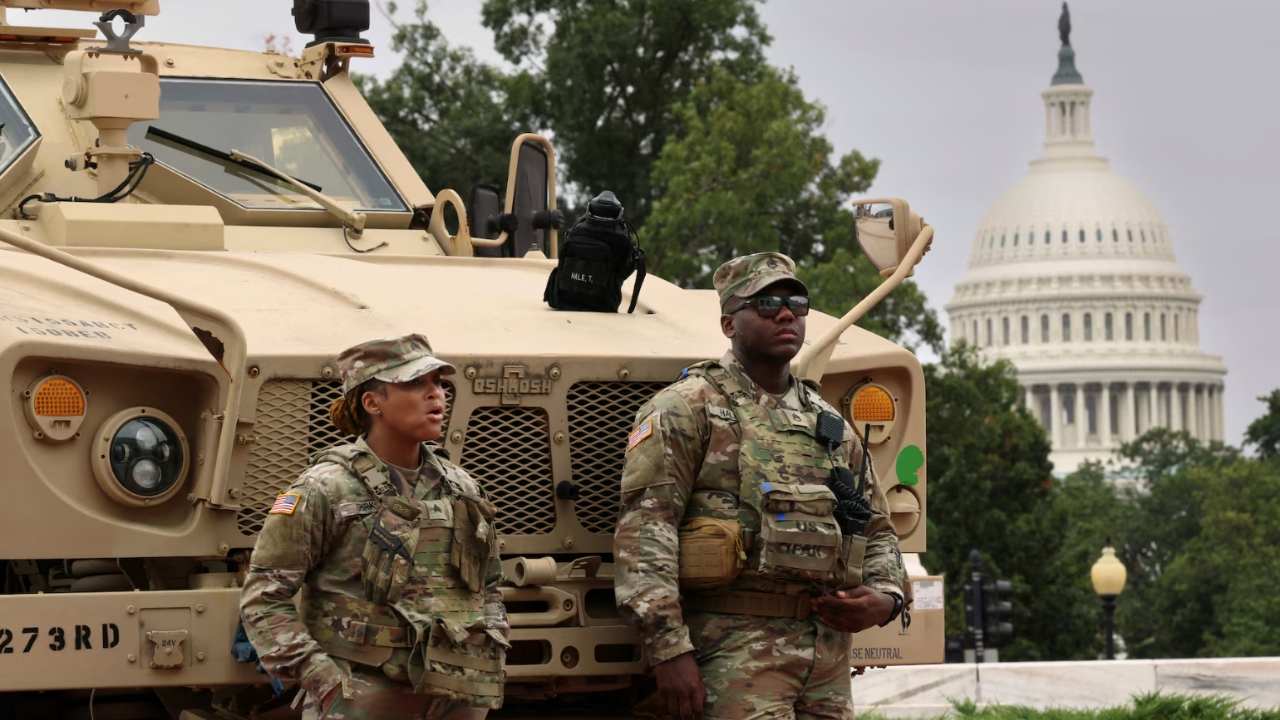
When former President Donald Trump spoke of sending more National Guard troops to American cities, his statement immediately drew sharp attention. While the nation debates the complex issues of crime, unrest, and political division, his words have reopened an old question: what role should the military play within America’s own borders?
The idea of deploying troops onto city streets is not new. In fact, it has been used at various points in U.S. history, often during extraordinary circumstances such as riots, natural disasters, or moments of grave national emergency. However, the continuing suggestion of military presence in response to crime or public demonstrations raises both practical and moral concerns.
The Context: A Nation on Edge
The United States, like many nations, continues to face challenges ranging from rising crime in some cities to large-scale protests on issues of race, policing, and inequality. Trump has regularly framed these problems in terms of “law and order,” emphasizing tough, immediate responses.
In the past, Trump called out Democratic-led cities for what he described as their “weak response” to unlawful activity. For him, the answer appears simple: use federal power, backed by armed force, to restore order.
But critics argue that the nation is not a battlefield, and cities are not war zones. Bringing soldiers into civilian life, even under the National Guard, risks turning temporary political crises into permanent scars on democracy.
Supporters and Critics: A Divided Reaction
Trump’s supporters believe that safety must come first. Many of them feel that city governments, particularly under Democratic mayors, have failed to protect ordinary people from crime and unrest. From their perspective, having National Guard troops march the streets is not a threat, but a guarantee of security.
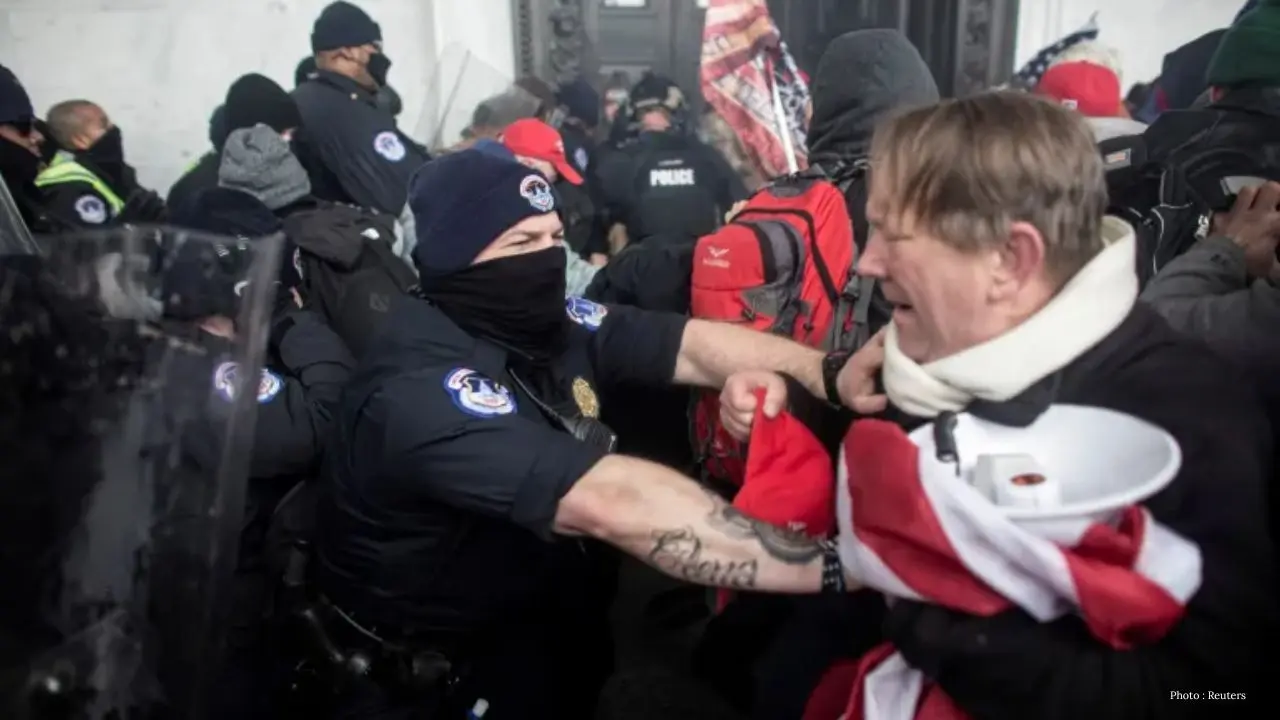
On the other hand, civil rights groups, community leaders, and a large number of political analysts warn against such measures. History shows that whenever federal troops have been used in cities, tension has often grown rather than reduced. Crowds confronted by armed soldiers may feel provoked, creating larger unrest.
Additionally, critics point to the principles of American democracy: local issues should be resolved at the community and state level. To bring in military force risks weakening the trust between citizens and local governments.
Democracy vs. Security: The Core Dilemma
At the heart of this debate lies one of the oldest questions in governance: how do we balance freedom with security?
-
On one side, Trump insists that strict force is the only way to control chaos and protect families.
-
On the other, many Americans fear that such force could itself become oppressive and undermine the spirit of liberty.
The challenge for the U.S. is not only keeping cities safe but also ensuring that responses to unrest strengthen democratic institutions instead of damaging them.
The Political Significance
Trump’s remarks are also viewed through the lens of the upcoming elections. Law and order has always been one of his strongest campaign themes. By warning of deploying the National Guard, he once again positions himself as a leader of “strength” who is willing to take bold action, even against the will of local officials.
This strategy appeals to voters frustrated with crime rates or distrustful of city authorities. But it also risks deepening political divides, painting every issue of public safety as a fight between “strong patriots” and “weak leaders.”
When debates about public safety become political weapons, they lose the nuance needed for real solutions.
The Historical Warning
History offers sobering lessons. The use of troops during the civil rights era, the Kent State tragedy in 1970, and even recent deployments in 2020 remind us that military presence in public protests often complicates situations rather than calming them.
It is one thing to use National Guard support during natural disasters or large-scale emergencies where logistics and order must be restored. It is entirely different when troops stand in the middle of political disputes.
What the Nation Needs Instead
The United States does not just need short-term responses; it needs long-term strategies:
-
Stronger community policing that rebuilds trust between citizens and officers.
-
Social programs that target the roots of unrest: poverty, inequality, and injustice.
-
Dialogue over confrontation, giving people avenues to protest peacefully without fear of military suppression.
Safety cannot simply be imposed by force; it must be earned by building communities where people feel seen, secure, and respected.