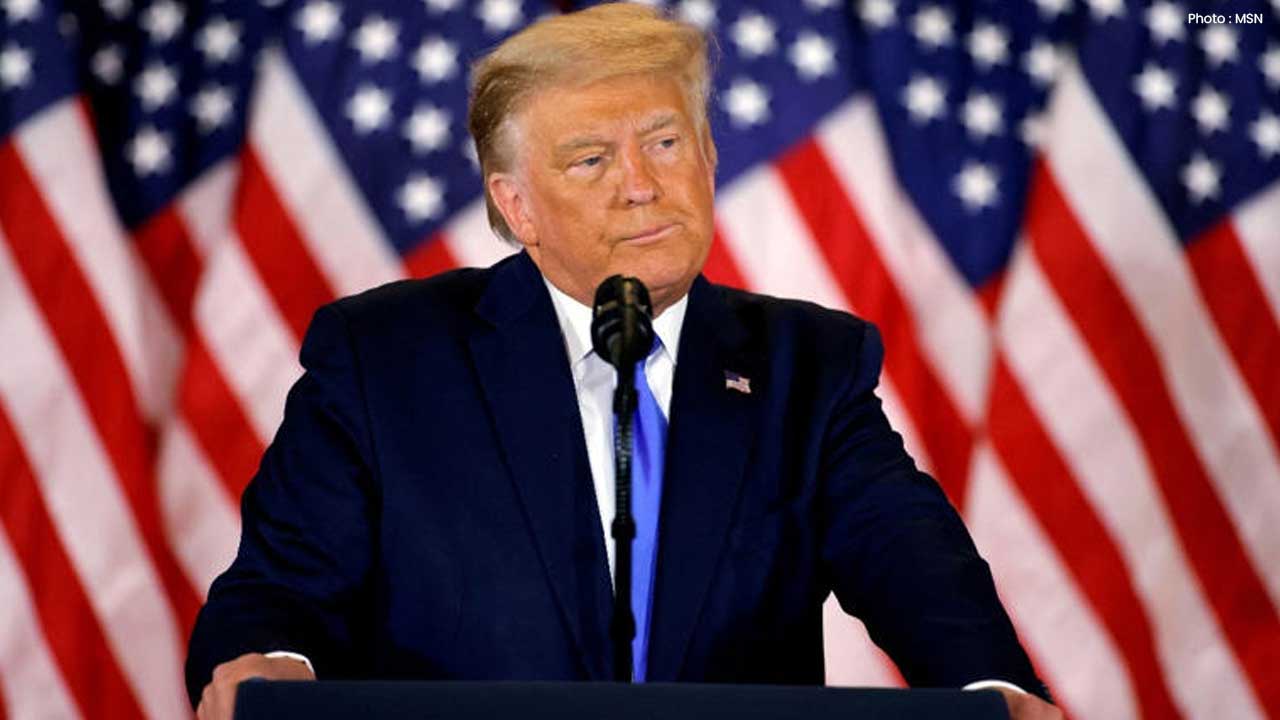
President Donald Trump is set to travel to Davos, Switzerland, later this month for the World Economic Forum, accompanied by a prominent team of senior U.S. officials. This will be Trump's first appearance at the international event since returning to the White House for a second term, highlighting his intent to take an active role in global economic discussions.
Joining Trump will be Treasury Secretary Scott Bessent, Commerce Secretary Howard Lutnick, and Energy Secretary Chris Wright, along with U.S. Trade Representative Jamieson Greer and special U.S. envoy to the Middle East, Steve Witkoff. This group represents the main pillars of Trump's economic, trade, and energy strategy.
The annual World Economic Forum, hosted in the picturesque Swiss town of Davos, attracts political leaders, business moguls, economists, and policy experts from everywhere. This year, it will convene from January 19 to January 23, with topics ranging from global economic growth and inflation to energy security, climate change, technology advancements, and international collaboration.
Trump participated in last year’s forum via video link shortly after his return to office, but this year he will attend in person. His appearance is anticipated to generate significant attention, as he's recognized for challenging conventional global economic perspectives.
In a recent social media post, Trump indicated he will focus part of his speech on housing and affordability issues—topics that have gained traction in the U.S. due to escalating home prices, rents, and borrowing costs that are affecting families and younger buyers. By addressing these issues at Davos, Trump seems to be connecting domestic challenges with global economic dialogues.
During his last appearance at the forum, Trump called for lower oil prices from OPEC and encouraged central banks to reduce interest rates. He also cautioned global firms about potential tariffs should they decide to produce goods outside the U.S. This resonated with his consistent “America First” stance on trade and industrial issues.
Having key figures from the Treasury, Commerce, and Energy departments suggests another push from Trump towards economic resilience, energy independence, and local production. Given the current instability in global energy markets and heightened trade tensions, these subjects are poised to elicit both support and critique from international leaders.
Trump’s choice to attend Davos in person showcases a decisive leadership approach. Instead of being a passive participant, he seems ready to engage directly with global leaders to highlight U.S. priorities on the international stage. While supporters perceive this as assertive leadership, critics argue it might escalate tensions with allies.
For many analysts, the makeup of the U.S. delegation demonstrates Washington's intent to actively influence global economic regulations, even while questioning established international practices. The appointment of a Middle East envoy suggests discussions may delve beyond economics, addressing themes like regional stability and energy security.
As the World Economic Forum nears, all eyes will be on Trump’s statements and the reactions they provoke. Whether it’s trade, energy, housing, or global collaboration, his insights are likely to sway markets and political conversations far beyond the snowy avenues of Davos.