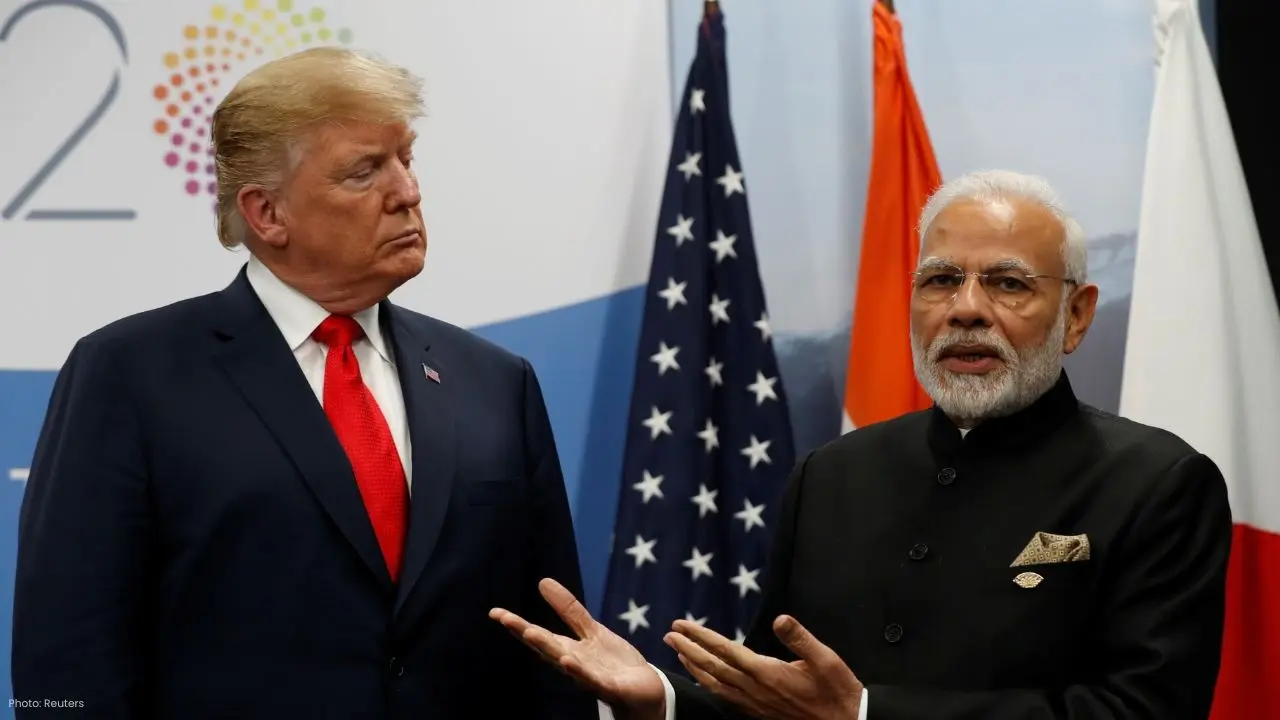
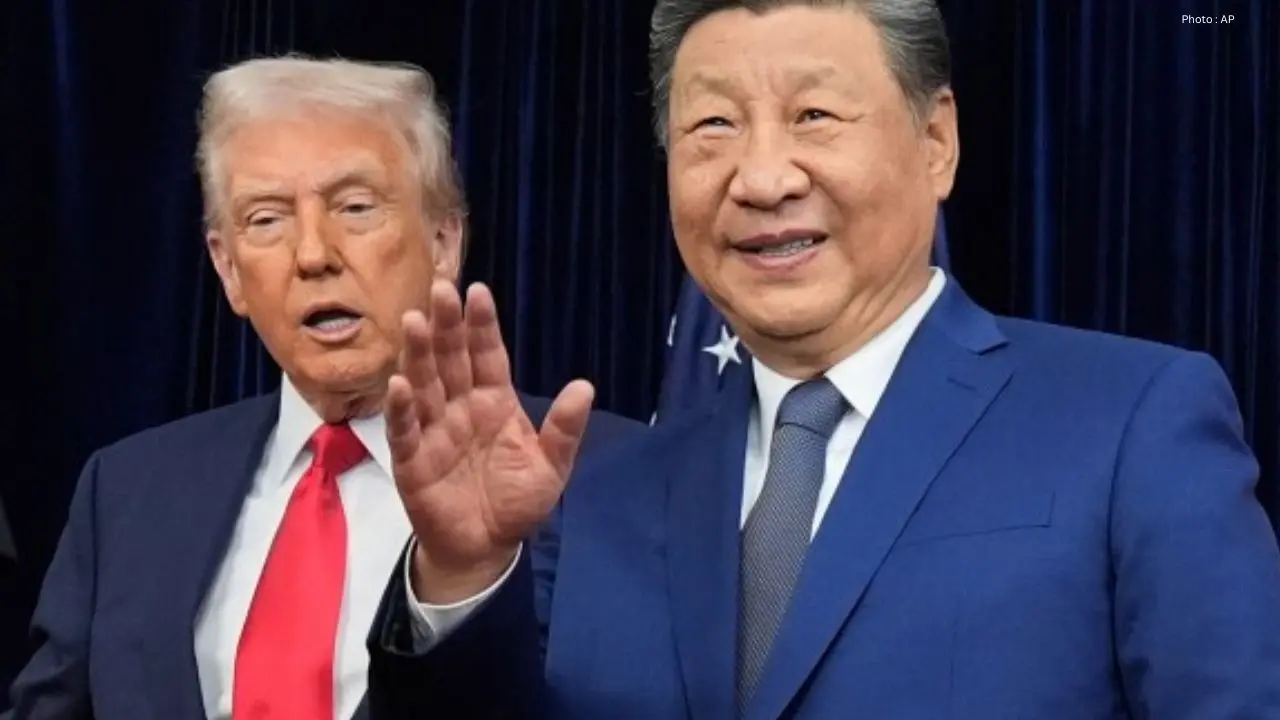
U.S. President Donald Trump has issued a stark warning to India regarding its ongoing importation of crude oil from Russia, indicating potential tariff increases if New Delhi does not comply with U.S. expectations. Speaking from Air Force One on Sunday, Trump said that swift action could be taken if India fails to align with the U.S. stance on Russian energy imports.
“We could impose tariffs on India if they don’t assist on the Russian oil matter,” he stated, underscoring that India's energy dealings with Moscow remain a significant concern for the U.S. administration.
This admonition reflects increasing pressure from Washington as it intensifies economic and diplomatic efforts aimed at isolating Russia, particularly through restrictions on strategic energy revenues that sustain Moscow's operations.
Trump Claims India Has Reduced Russian Oil Purchases
Trump also remarked that India has reportedly decreased its import levels of Russian oil, implying that New Delhi has taken some measures in response to U.S. concerns.
According to Trump, Prime Minister Narendra Modi is well aware of the United States' dissatisfaction and has taken considerable steps to remedy the situation.
“They wanted to accommodate me. Prime Minister Modi is a commendable leader, and he understood the importance of addressing my concerns,” Trump added. He emphasized that the U.S. possesses significant leverage over India via trade policies, indicating that tariffs could be rapidly enforced if cooperation does not persist.
Sensitive Timing Amid Trade and Diplomatic Talks
This warning arises at a critical juncture in U.S.-India relations. Despite a recent strengthening of strategic cooperation, trade and tariff disputes continue to create tension.
India has consistently justified its oil purchases from Russia, asserting that affordable crude oil is vital for ensuring its domestic energy security, managing inflation, and supporting economic growth. Indian officials emphasize that energy decisions are primarily dictated by national interests rather than geopolitical considerations.
These comments followed a recent phone call between Trump and Modi, where both leaders highlighted the necessity of sustaining momentum in their trade relationship, even amidst ongoing tariff disagreements.
Their conversation coincided with the commencement of a new round of negotiations targeting a long-standing trade impasse, which faced setbacks after the U.S. imposed high tariffs on various Indian imports, with some rates reportedly reaching as much as 50%.
Praise and Pressure: Mixed Signals From Washington
Despite his sharp warning, Trump continues to express admiration for India and Modi, showcasing a complex landscape of pressure and partnership in U.S. relations with New Delhi.
The U.S. Embassy in India reiterated Trump’s endorsement of India as “an amazing country” and described Modi as a “great friend,” reinforcing the strategic importance of India to the United States, particularly in the context of the Indo-Pacific region.
“India boasts one of the world’s most ancient civilizations and has emerged as a vital strategic ally for America,” Trump conveyed in a social media post, underscoring the overarching geopolitical alignment between the two democracies, despite ongoing trade and energy conflicts.
Oil Returns to the Center of Global Geopolitics
The energy sector has re-emerged as a pivotal element in global geopolitics, especially following recent U.S. military initiatives in Venezuela, which possesses the largest proven oil reserves globally, estimated over 300 billion barrels. However, production has steeply declined to approximately one million barrels per day due to protracted U.S. sanctions, inadequate investment, and infrastructure difficulties.
Amidst mounting geopolitical rivalries and strained energy markets, oil trade has once again become a critical diplomatic tool.
As sanctions, energy security, and trade issues increasingly intertwine, India's careful strategy to secure affordable energy while juggling significant global partnerships is under close international observation.