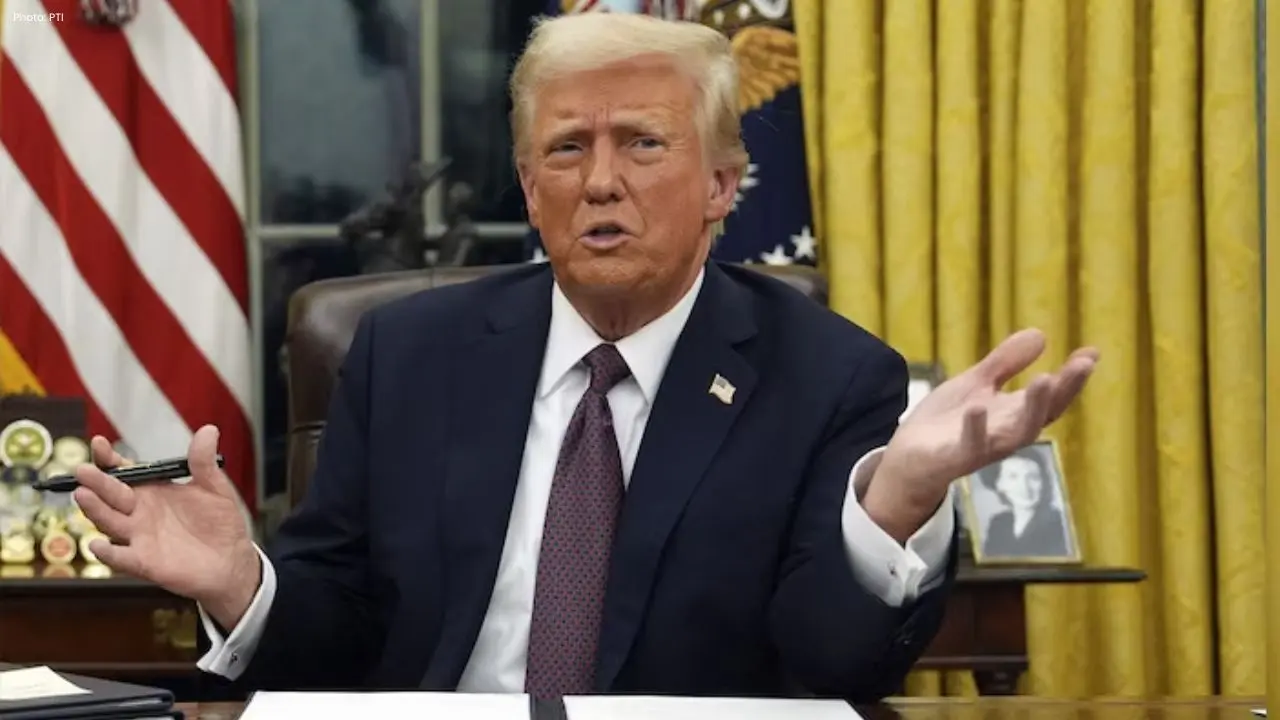
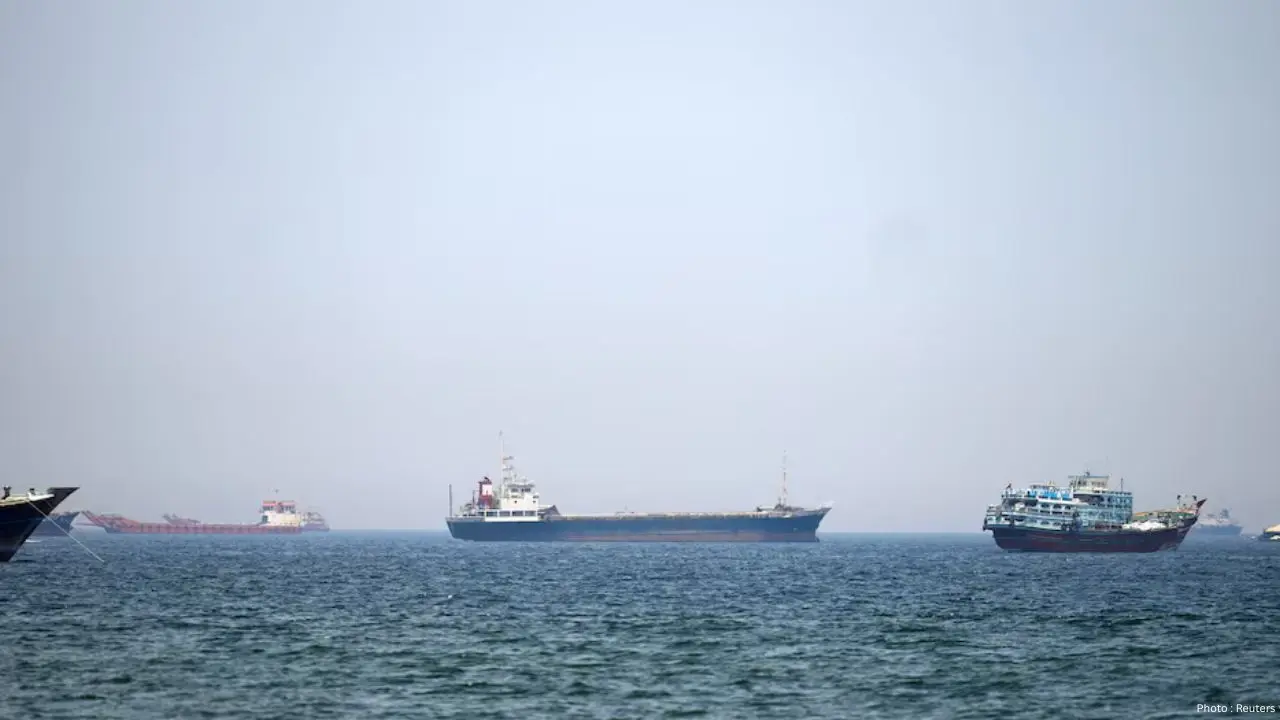
The diplomatic landscape between the United States and Iran has rapidly deteriorated following Donald Trump’s stark warnings to Iran, threatening to strike vital Iranian infrastructure should the crucial Strait of Hormuz remain blocked. This statement followed the successful recovery of a wounded US pilot whose aircraft was shot down deep within Iran's borders amidst escalating conflicts.
US officials described the rescue mission as highly intricate, involving various aircraft operating in a perilous environment. While Iran asserted it had downed several American planes during the operation, intelligence reports indicated that some aircraft may have been lost due to technical malfunctions orchestrated by US forces themselves. This incident underlines the mounting risks tied to military confrontations between the two nations.
In retaliation, Iran has aggressively struck key infrastructure in neighboring Gulf states and has issued threats regarding potential disruptions to the Bab el-Mandeb Strait, another essential global shipping corridor. Iranian leadership has suggested that the decision to reopen the Strait of Hormuz could hinge on reparations for war damages, further complicating ongoing diplomatic negotiations.
As the conflict expands, civilian infrastructure throughout the region is increasingly being targeted, raising serious global concerns over humanitarian repercussions and potential breaches of international law. With a surge in casualties, interruptions in oil supply chains, and ongoing diplomatic talks involving both regional and global entities, the situation is precarious and unpredictable.