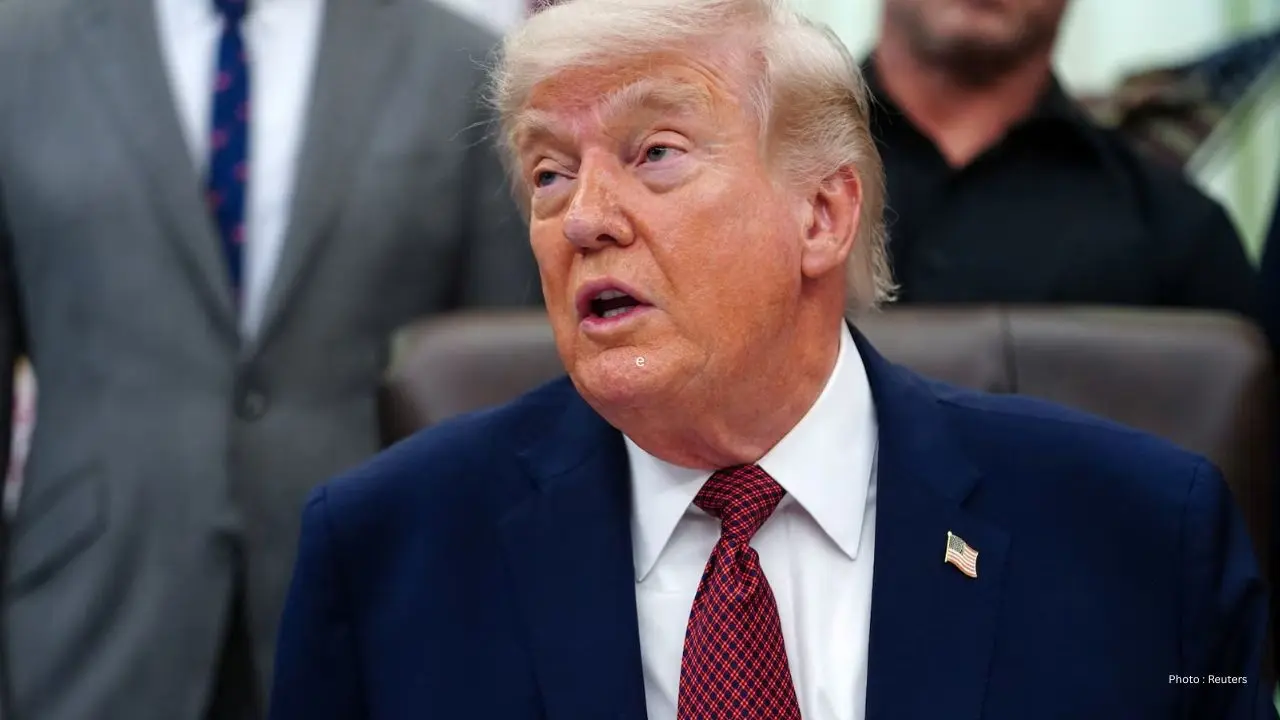
President Donald J. Trump has announced a major new step to increase accountability within the United States federal workforce. According to a White House fact sheet and recent executive actions, the administration is moving forward with reforms that would give federal agencies more authority to manage employees working in policy-related positions. The White House says the goal is to create a government workforce that is more responsive, efficient, and focused on carrying out the policies chosen by elected leaders.
The new policy focuses mainly on senior federal employees who play a role in shaping, developing, or influencing government policy. Under the changes, thousands of employees could lose some of the job protections that have traditionally made it difficult for agencies to remove workers. Administration officials argue that the current system often makes it too hard to address poor performance, misconduct, or resistance to government directives. They say agencies need greater flexibility to ensure that federal employees effectively carry out the priorities of the administration chosen by voters.
The White House has stated that these reforms are designed to improve government performance rather than introduce political hiring. Officials say employees will continue to be selected through merit-based hiring systems and will not be required to support the President politically. However, they are expected to faithfully implement lawful policies established by the administration. The government argues that this change will strengthen accountability and help reduce bureaucratic delays that can slow the implementation of public policies.
Supporters of the reforms believe the changes will make federal agencies more effective and responsive to public needs. They argue that taxpayers expect government employees to perform efficiently and that agencies should have the authority to deal with persistent underperformance without lengthy legal and administrative processes. Administration officials also point to reports showing that many federal managers feel current procedures make it difficult to remove employees who fail to meet expectations.
At the same time, the reforms have sparked significant debate across Washington. Labor unions and critics argue that reducing job protections could weaken the independence of the federal civil service and make government employees more vulnerable to political pressure. Several organizations have already challenged parts of the policy in court, claiming that long-standing protections exist to ensure that career government workers can provide professional advice regardless of political changes. Legal battles over the policy are expected to continue as implementation moves forward.
The latest executive action is part of a broader effort by the Trump administration to reshape the federal workforce. Over the past year, the administration has introduced multiple initiatives focused on hiring reforms, probationary employee reviews, performance management, and government efficiency. Officials say these measures are intended to build a more accountable and results-driven federal government, while critics warn they could transform the traditional balance between political leadership and career civil servants.
As the debate continues, the issue is likely to remain a major topic in American politics. Supporters see the reforms as a necessary modernization of government operations, while opponents view them as a significant change to the structure of the federal civil service. The long-term impact of the policy will depend on court decisions, agency implementation, and future political developments in Washington.