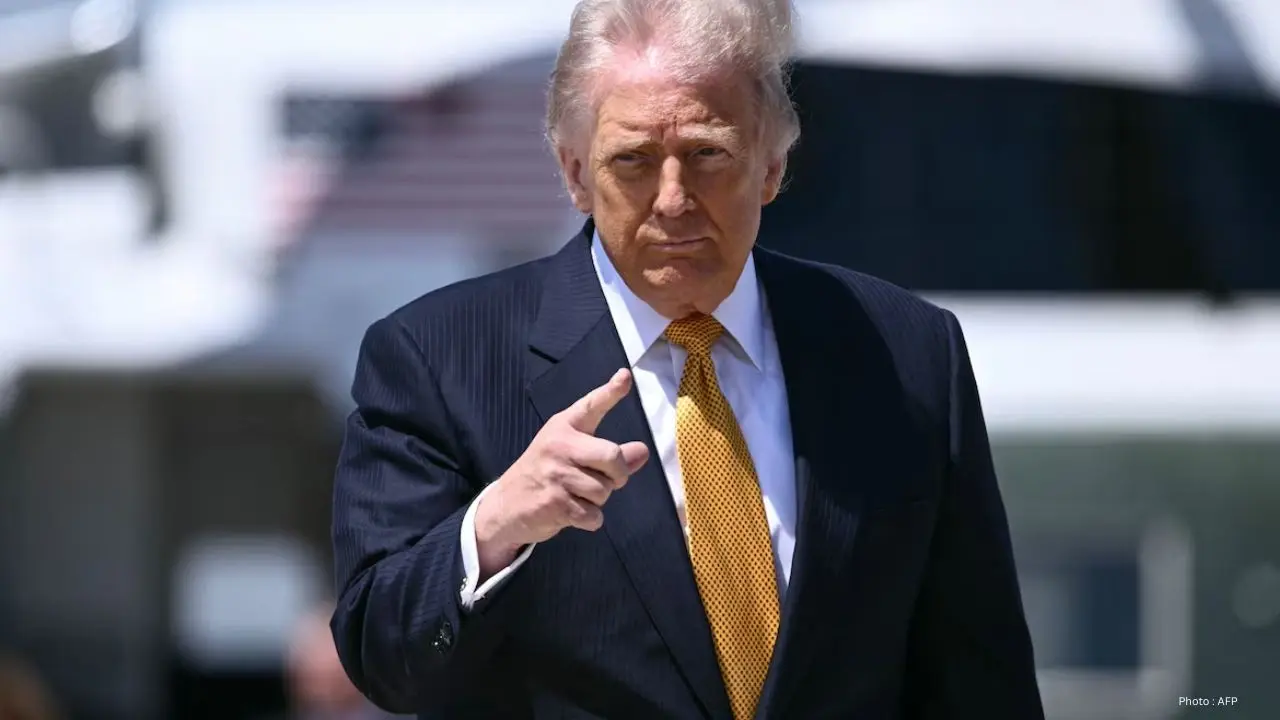
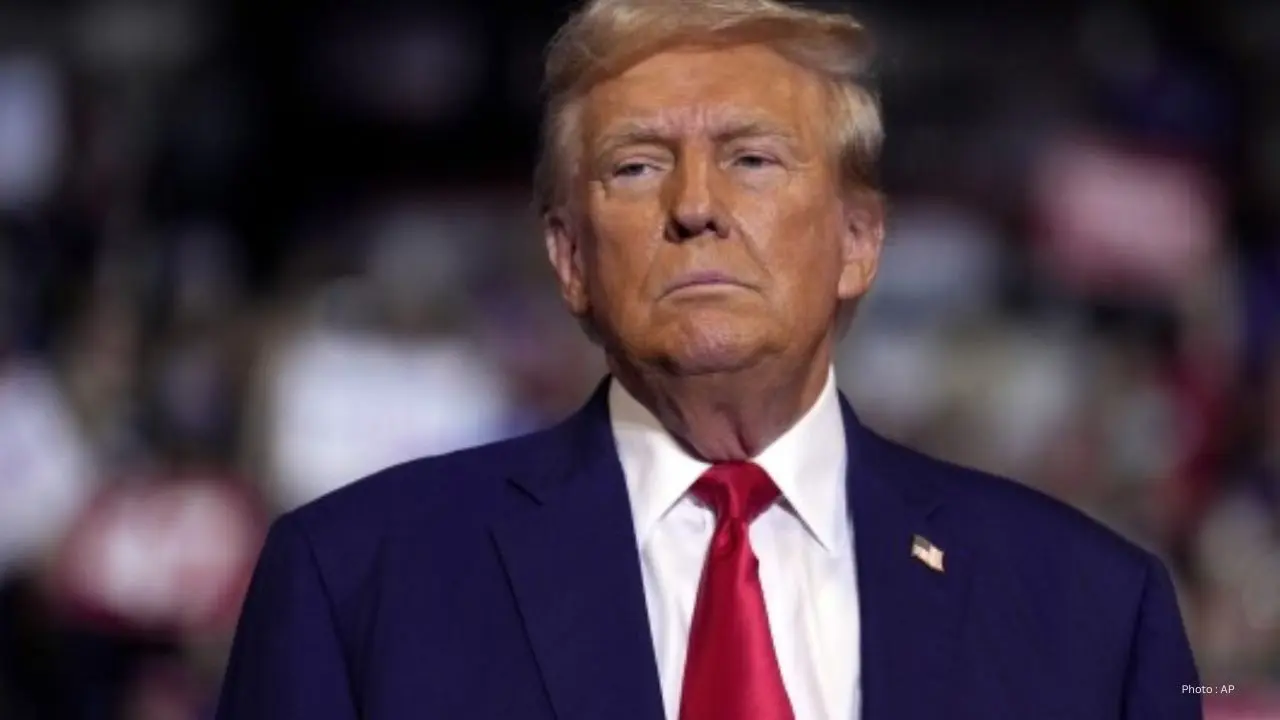
U.S. President Donald Trump has brought Nvidia CEO Jensen Huang with him during his high-profile visit to China as part of broader efforts to improve trade relations and expand American business opportunities in the Chinese market. The move highlights the growing importance of artificial intelligence and semiconductor technology in the relationship between the world’s two largest economies.
Trump arrived in Beijing this week for a major summit with Chinese President Xi Jinping, where trade, technology and global security are expected to dominate discussions. Alongside senior government officials, several major American business leaders joined the delegation, but Nvidia’s Jensen Huang has attracted particular attention because of the ongoing tensions surrounding advanced AI chips and semiconductor exports.
The Trump administration has spent years imposing restrictions on the sale of advanced American semiconductor technology to China, arguing that high-end AI chips could strengthen China’s military and surveillance capabilities. Nvidia, one of the world’s largest and most valuable technology companies, has been heavily affected by these export controls because China remains one of its biggest international markets.
According to reports surrounding the visit, Trump believes economic cooperation with China can still continue despite competition in sensitive technologies. Officials close to the administration say the president hopes to “open up” more business opportunities for American companies while also negotiating stronger protections for U.S. technology and intellectual property.
Jensen Huang’s presence during the summit is seen as especially important because Nvidia has become one of the biggest global players in artificial intelligence hardware. The company’s advanced graphics processing units, known as GPUs, are critical for training AI systems used in data centers, research labs and cloud computing networks around the world.
China has been trying to increase domestic production of advanced semiconductors after facing years of restrictions from the United States. Chinese technology companies have struggled to fully replace high-performance Nvidia chips, which remain essential for many AI projects and commercial systems. Because of this, Nvidia’s relationship with China has become politically sensitive for both governments.
Reports suggest Huang may participate in meetings focused on technology investment, AI cooperation and semiconductor trade. Analysts believe the discussions could include possible adjustments to export restrictions or limited agreements allowing some lower-powered AI chips to continue entering the Chinese market.
The visit comes during a period of increasing global competition over artificial intelligence. Both the United States and China are investing billions of dollars into AI infrastructure, semiconductor manufacturing and advanced computing systems. Technology experts say control over semiconductor supply chains is now viewed as one of the most important strategic issues in international politics.
Trump has repeatedly argued that his administration wants “fair trade” with China while also protecting American national security interests. During previous speeches, he criticized China over trade imbalances but also praised Chinese President Xi Jinping for maintaining communication during difficult negotiations.
Meanwhile, Chinese officials have signaled they want to stabilize economic relations with the United States after years of tariffs, sanctions and technology disputes. Beijing has repeatedly opposed American export controls, arguing they unfairly block Chinese companies from accessing global markets and innovation.
Financial markets and technology investors are closely watching the summit because any progress in U.S.-China technology relations could affect global semiconductor companies, AI development and international trade. Nvidia shares and other technology stocks have reacted strongly to recent reports connected to the meeting.
The summit between Trump and Xi is expected to continue for several days, with discussions also covering tariffs, rare earth minerals, Taiwan, cybersecurity and energy security. Analysts believe the outcome of the talks could shape the future of global technology competition for years to come.