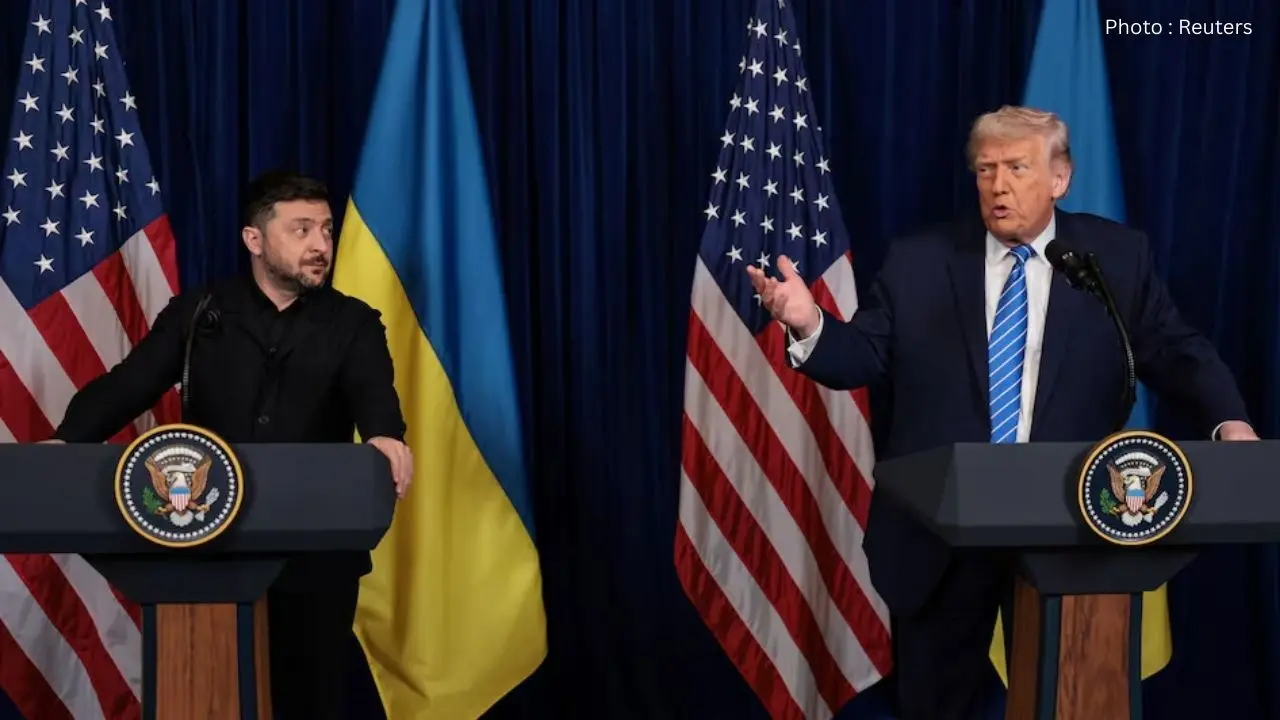
In a recent interview with Reuters, U.S. President Donald Trump asserted that Ukraine, rather than Russia, is responsible for hindering a peace agreement in the ongoing conflict. According to Trump, Russian President Vladimir Putin is willing to negotiate, while Ukrainian President Volodymyr Zelenskiy appears more reluctant.
This stance starkly contrasts with European allies, who have voiced skepticism about Russia’s commitment to ending the nearly four-year-long war.
“I believe he’s open to a deal,” Trump remarked on Putin, adding, “Ukraine is not as ready to engage.” When questioned about the stalled U.S.-led negotiations, he pointedly stated, “Zelenskiy.”
The history between Trump and Zelenskiy has been marked by tension. Although their rapport improved during Trump’s previous term, these latest comments reveal a renewed frustration on Trump’s part.
Efforts spearheaded by the U.S. have concentrated on establishing security assurances for Ukraine in a post-conflict scenario, aimed at thwarting future Russian incursions. Some discussions have even broached the sensitive topic of Ukraine ceding portions of the Donbas region, though Ukrainian officials have categorically dismissed any territorial concessions.
Recent discussions have been facilitated by U.S. special envoy Steve Witkoff and Jared Kushner, Trump’s son-in-law. As negotiations persist, European officials grow skeptical about Putin’s willingness to accept the proposed terms.
Trump also indicated a possible meeting with Zelenskiy at the upcoming World Economic Forum in Davos, Switzerland. “I would if he’s there,” he mentioned. “I intend to be there.”
When pressed on why Zelenskiy is hesitant regarding negotiations, Trump vaguely stated, “I believe he’s, you know, struggling to get to that point.” Meanwhile, Zelenskiy has publicly rejected any discussions that involve territorial concessions, citing the constitution of Ukraine.
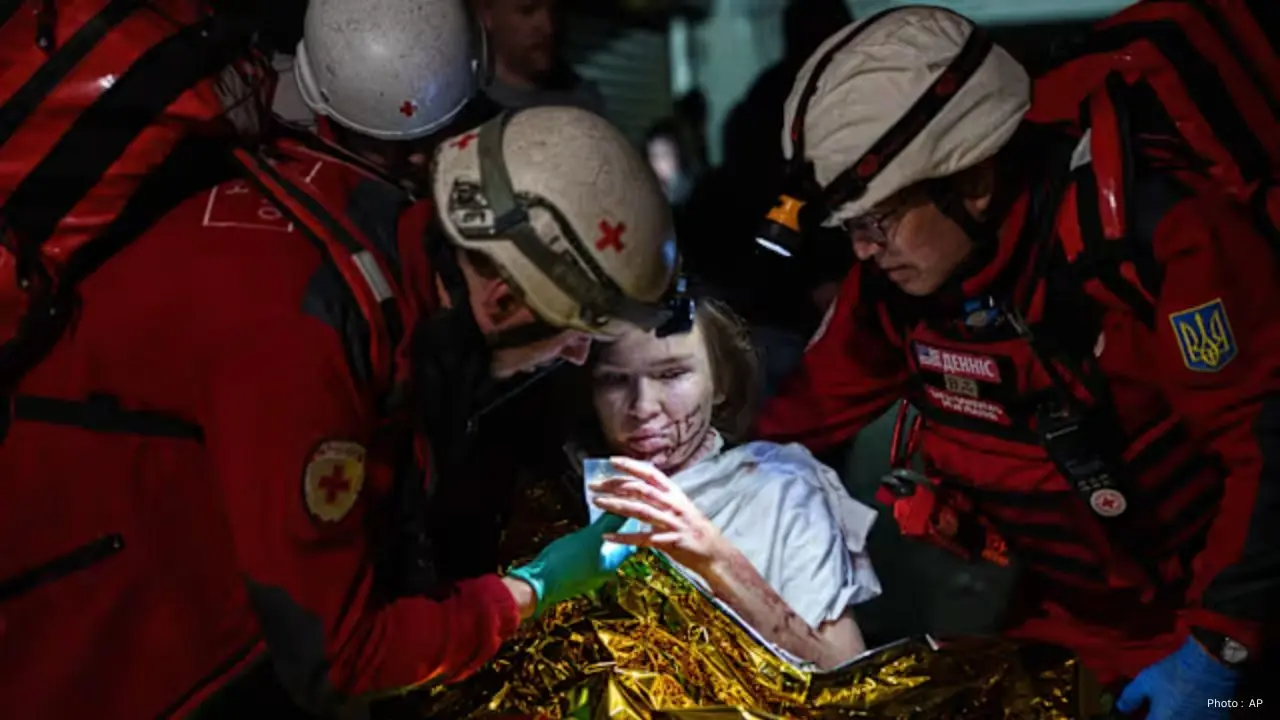
The Ukraine war, now nearly four years old, remains Europe’s most significant land conflict since World War II. Trump’s remarks underscore the contrasting approaches between his administration and that of his European allies, complicating already delicate peace negotiations.
Analysts argue that achieving peace will necessitate compromises from all involved, yet both Moscow and Kyiv seem staunch in their positions. The global community continues to follow the developments closely, yearning for a resolution to end the ongoing violence and devastation.