After intense negotiations in Egypt, Israel and Hamas have agreed to a ceasefire and hostage release deal, a breakthrough that could pave the way to ending the two-year-old conflict in Gaza.
However, despite the momentum, there are no guarantees that a lasting peace will follow.
Trump’s Personal Involvement Shifts the Negotiation
A key factor in this deal has been the direct involvement of former U.S. President Donald Trump, who applied pressure not only on Hamas but also on Israel. This marks a major diplomatic win for Trump, positioning him as a central figure in efforts to end the war.
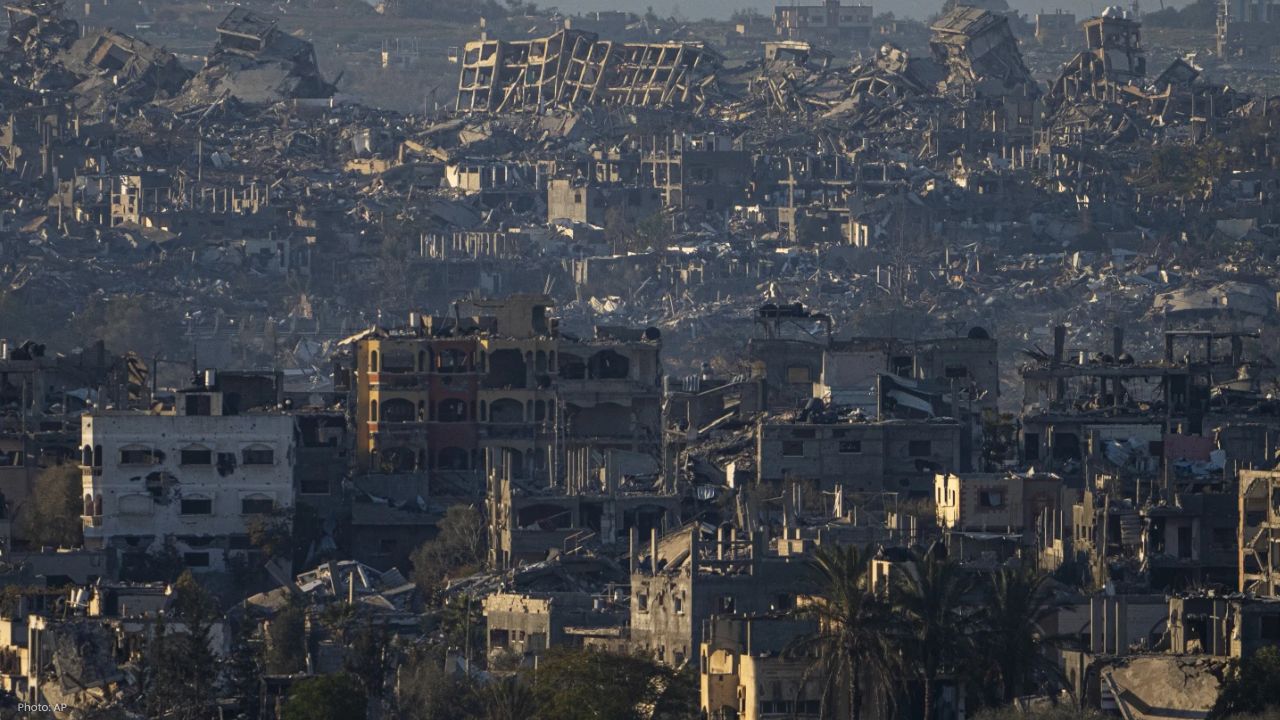
The conflict began on 7 October 2023, when Hamas attacks killed roughly 1,200 people, mostly Israeli civilians, and took 251 hostages. In response, Israel launched a military offensive that, according to Gaza’s Hamas-run health ministry, has killed over 67,000 Palestinians, including more than 18,000 children. These figures are considered credible by the UN and other international organizations. The offensive has devastated Gaza, creating a severe humanitarian crisis.
Details of the Ceasefire and Hostage Deal
The agreement, outlined by Trump alongside Israeli Prime Minister Benjamin Netanyahu last week, is the first phase of a broader plan. Sources indicate the deal includes:
-
The release of the remaining hostages, with up to 20 alive expected to be freed soon, and the remains of up to 28 deceased captives returned in stages.
-
The release of hundreds of Palestinian prisoners from Israeli jails.
-
Partial withdrawal of Israeli troops from Gaza.
-
Increased humanitarian aid entering the territory.
Trump has publicly framed the deal as a historic achievement, raising hopes that it might contribute to a Nobel Peace Prize consideration.
Challenges Ahead
While the announcement is significant, major uncertainties remain:
-
Israel’s demand that Hamas disarm.
-
The scope of Israeli troop withdrawals.
-
Governance arrangements in Gaza following the ceasefire.
Hamas faces a strategic loss of leverage with the release of hostages and seeks assurances that Israel will not resume fighting—a valid concern given the breakdown of a previous ceasefire in March.
In Israel, public sentiment favors ending the conflict, but Netanyahu faces political constraints. Ultranationalist ministers within his coalition have threatened to resign over a deal, risking government collapse. The prime minister has insisted on “total victory” against Hamas, so any agreement will need to allow him to maintain that narrative.
Reactions on the Ground
In Gaza, Palestinians celebrated the ceasefire announcement, hopeful it signals the end of their suffering. In Tel Aviv, crowds gathered in Hostages Square, a symbol of the captives’ ordeal.
Netanyahu hailed the deal as a “diplomatic, national, and moral victory for the State of Israel,” though notably did not claim it ends the war.