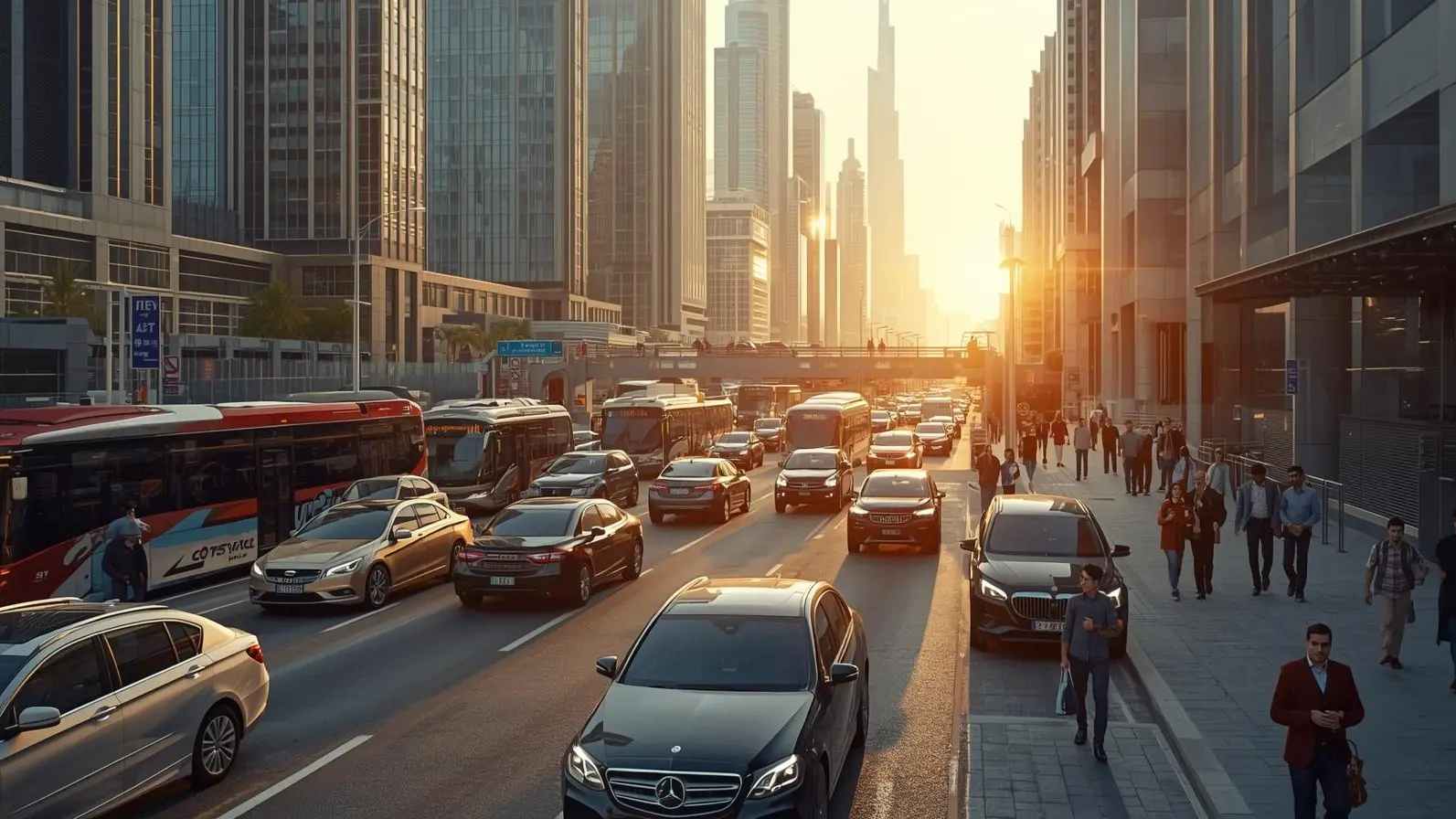
Transportation's Impact on Daily Living in Dubai
In Dubai, transportation transcends mere movement—it intricately shapes daily routines, work-life balance, costs, productivity, health, and life quality. In this vibrant, fast-evolving city, the way residents choose to travel greatly influences their days, stress levels, and time management.
With diverse transportation options like private vehicles, metro, buses, taxis, ride-hailing services, trams, and pedestrian paths in select areas, understanding the implications of these choices empowers residents to make informed and sustainable decisions.
Dubai's Urban Landscape and the Significance of Transportation
Dubai's urban layout spans vast distances; residential areas, business sectors, shopping centers, educational institutions, and recreational venues are often quite far apart.
This expansive design renders transportation an essential part of daily life, rather than a simple option. Key factors highlighting the importance of transport include:
The Convenience and Hidden Costs of Private Cars
Private vehicles are the predominant mode of transport in Dubai.
Daily Life Implications of Using Private Cars
-
Provide comfort and privacy
-
Offer flexible travel schedules
-
Especially important for families and areas lacking metro access
Yet, the implications extend beyond mere convenience.
Impact on Time and Mental Well-being
While private cars facilitate direct travel, heavy traffic on routes like Sheikh Zayed Road, Al Khail Road, and Emirates Road can substantially extend commutes. Extended time spent in traffic adds to mental strain before and after the workday.
Financial Outlay
The expenses associated with car ownership include:
-
Fuel expenses
-
Salik tolls
-
Parking costs
-
Insurance and maintenance costs
-
Depreciation
Cumulatively, these costs impact monthly budgets more significantly than many residents recognize.
Effects on Health and Lifestyle
A sedentary lifestyle due to prolonged driving reduces daily activity levels. Long hours on the road heighten stress, potentially affecting sleep and job performance.
While private cars provide autonomy, they come at a cost of financial and mental trade-offs.
Time Efficiency and Reliability of the Dubai Metro
The Dubai Metro has revolutionized commuting for countless residents.
Reasons Metro Users Appreciate This Option
-
Reliable travel times
-
No delays due to traffic
-
Comfortable air conditioning
-
Direct access to major commercial areas
Metro users often bear reduced daily stress, as they can efficiently plan their schedules.
Enhancement of Work-Life Balance
Metro commuting enables individuals to:
-
Engage in reading, working, or relaxing during transit
-
Arrive at the office feeling less fatigued
-
Maintain regular schedules
This predictability bolsters productivity and mood.
Challenges That Affect Routines
-
Set routes and specific stations
-
Crowding in busy hours
-
Need for last-mile transportation
Those living far from stations often need taxis or buses, complicating their commute.
Public Buses and Trams: Cost-effective Yet Time-Dependent
Buses and trams connect local communities and metro lines.
Influences on Daily Schedules
-
Affordable for everyday travel
-
More reliable yet slower than the metro
-
Highly reliant on precise route planning
Bus commuters may need to leave earlier for timely arrivals.
Social and Economic Ramifications
Accessible transportation allows:
-
Cost savings for lower and middle-income groups
-
Enhanced access to educational and job opportunities
-
Decreased reliance on personal vehicles
However, prolonged travel times may encroach on personal time.
Taxis and Ride-Hailing Apps: Flexibility Comes at a Cost
Dubai's taxis and ride-hailing options are popular.
Convenience Factor
Financial Consequences on Daily Life
Regular taxi usage can significantly inflate monthly costs. Although convenient, it is less sustainable for daily use.
Time and Comfort Impact
Travel durations still hinge on traffic patterns. During peak times, fares can rise without corresponding time savings.
Walking and Micro-Mobility: Limited Yet Expanding
Walking is feasible primarily in select districts like Downtown Dubai, Marina, JBR, and City Walk.
Health Benefits of Walking
-
Promotes physical wellness
-
Decreases stress
-
Saves money
Yet, extreme heat and limited pedestrian-friendly pathways hamper walking for general commutes.
Micro-mobility options are on the rise but are often limited by location.
Impact of Transportation on Work Productivity
Your choice of commute significantly affects work efficiency.
Challenges Linked to Long, Stressful Commutes
Benefits of Efficient Commutes
Family Dynamics and Transportation
Families are uniquely affected by their transport options.
Impact on School Runs and Daily Life
-
Long journeys to school can drain children's energy
-
Parents deal with scheduling challenges
-
Traffic delays can upset daily agendas
Selecting homes near schools or metro stops greatly enhances family life.
Weekend Mobility and Leisure Activities
Transport also affects:
Household Economic Implications
Transportation can represent a major financial outlay each month.
Undiscovered Financial Strain
Fuel, parking, tolls, and upkeep costs accumulate regularly. For some families, these transportation expenses compete against savings efforts.
Smart Transportation Choices Can Help:
Community and Environmental Effects
Transportation decisions have broader implications beyond personal choices.
Effects on Communities
-
Reduced traffic congestion boosts city functionality
-
Decreased emissions enhance air quality
-
Public transport enhances urban viability
Personal choices collectively influence Dubai's transportation landscape.
Mental Health and Commuting Stress
The stress from daily commuting builds over time.
Typical Stressors Include:
-
Uncertainties related to traffic
-
Difficulties with parking
-
Pressure of time management
-
Noise and congestion
Predictable modes of transportation effectively diminish stress levels.
Impact of Weather on Transport Choices
Dubai’s climate influences mobility preferences.
Effects of Summer
Effects of Winter
Social Life and Transportation
Transportation shapes the frequency of social engagements.
Convenient Mobility Encourages:
-
Increased social interactions
-
Improved work-life harmony
-
Enhanced civic involvement
Long or challenging commutes often dampen social interactions.
Choosing Housing Based on Transport Accessibility
One of the best choices for residents is selecting homes with easy transport access.
Advantages of Transport-Oriented Living:
The Future of Transportation in Dubai
Dubai is committed to investing in futuristic mobility.
Implications for Residents
Practical Strategies to Enhance Daily Life through Transport Choices
-
Combine metro journeys with short taxi rides
-
Avoid driving during peak times when possible
-
Select living spaces near work or transit options
-
Monitor monthly transportation expenses
-
Prioritize reliability over convenience
Small tweaks can lead to significant daily enhancements.
Final Thoughts on Transportation's Role in Lifestyle
In Dubai, transportation is not merely a matter of infrastructure; it encompasses a critical lifestyle choice. The right decisions can conserve time, safeguard mental well-being, manage costs, and elevate overall happiness. Conversely, poor choices can subtly magnify stress and fatigue.
By recognizing how transportation influences everyday life, residents can traverse the city not just more quickly—but also more wisely.
Disclaimer
This article is intended for general informational purposes. Transportation experiences, costs, and impacts may fluctuate based on individual circumstances, lifestyle choices, and work commitments. Readers are encouraged to consider their needs and consult official transit authorities for the latest guidelines and regulations.