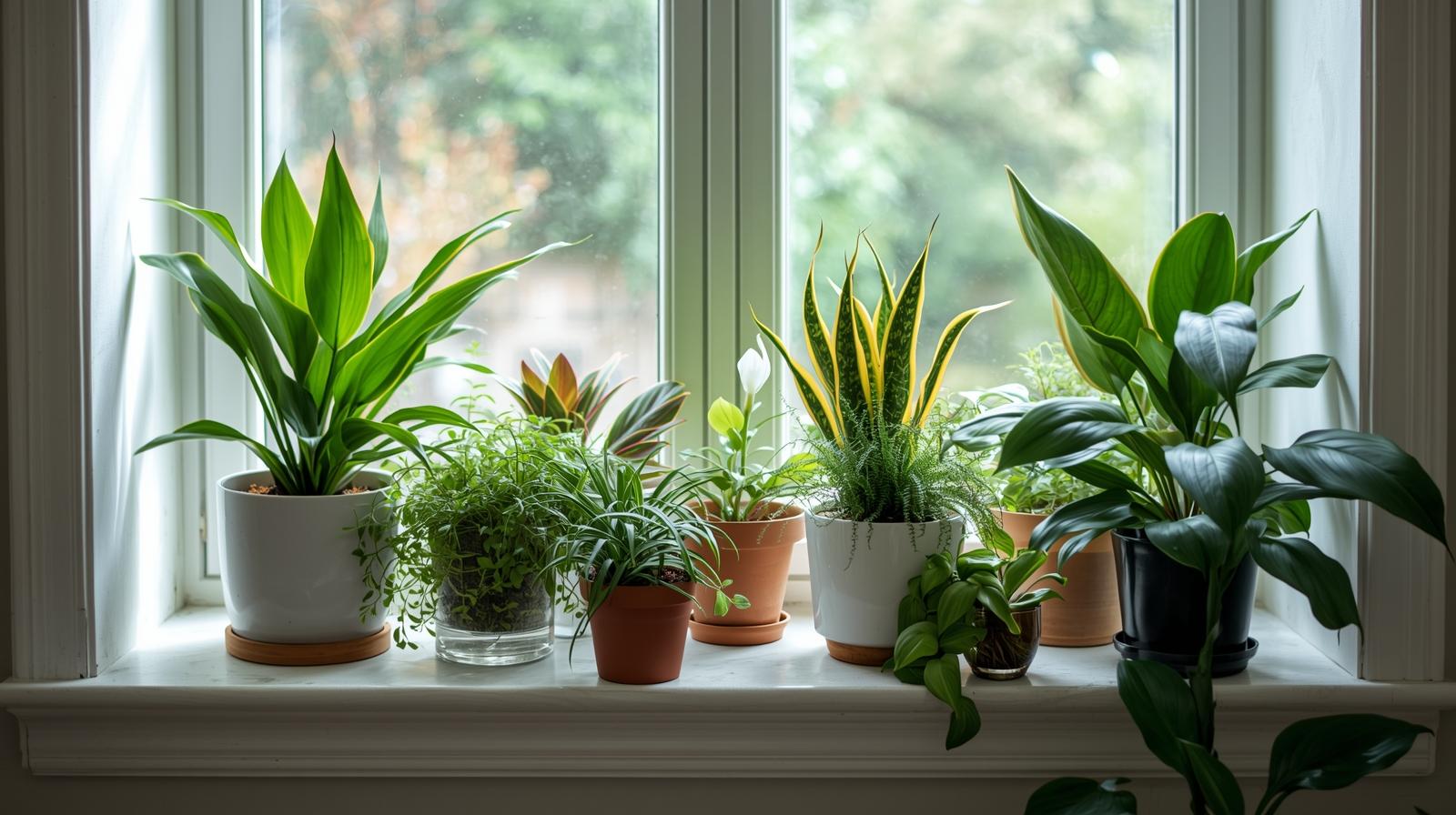
Enhance Your Indoor Air Quality
With most of our time spent indoors, the quality of our air has become increasingly significant. Pollutants, VOCs from furniture, dust, and cleaning agents can diminish indoor air quality, making it feel unhealthy. While air purifiers are effective, nature provides a simpler, greener alternative: houseplants that purify. These plants have the capability to filter out toxins, increase oxygen levels, and refresh your living environment. Here are four exceptional indoor plants celebrated for their air-cleaning properties and contribution to a healthier home.
Spider Plant: The Everyday Pollutant Fighter
The Spider Plant is a favored choice among novices due to its easy upkeep.
Why It’s Effective
This resilient plant absorbs dangerous substances such as formaldehyde, xylene, and carbon monoxide, typically emitted by household materials and vehicle exhaust.
Ideal Locations
Position it in living spaces, kitchens, or areas with sufficient light.
Care Recommendations
Provide water once or twice weekly; trim off any brown tips on the leaves. Its fast growth produces baby plants that can be replanted.
Peace Lily: The Refined Humidity Controller
The Peace Lily is admired for both its aesthetics and its air-purifying capabilities.
Effectiveness
This plant effectively captures common toxins like formaldehyde, trichloroethylene, and benzene while boosting humidity by releasing moisture into the air.
Optimal Positions
Best placed in bedrooms, offices, or areas where air is commonly dry.
Care Insights
Maintain slightly moist soil and ensure it receives low to moderate light. It’s known to produce beautiful white blossoms that enhance beauty and purify simultaneously.
Snake Plant (Mother-in-Law’s Tongue): Oxygen Producer at Night
The Snake Plant is unique in that it generates oxygen at night, promoting better sleep quality.
Why It’s Beneficial
This plant filters harmful agents such as formaldehyde, benzene, and toluene, found in many household items, while also lowering carbon dioxide levels indoors.
Preferred Locations
Best suited for bedrooms as it enhances air quality during sleep.
Care Suggestions
It’s low-maintenance, requiring minimal watering and thrives in less light, ideal for those who sometimes neglect their plants.
Aloe Vera: The Multi-functional Air Purifier
Aloe Vera isn’t just a skin remedy; it’s also a proficient air purifier.
How It Works
This plant effectively absorbs benzene and formaldehyde, common in chemical cleaners and synthetic materials.
Best Locations
Great for balconies, bright windowsills, as well as kitchen counters.
Care Guidelines
Needs ample sunlight, minimal watering, and requires well-drained soil. The gel inside its leaves is also useful for treating minor skin injuries.
The Benefits of These Plants
Houseplants not only purify air but help in reducing stress, uplifting mood, and improving overall well-being. Their gradual detoxifying abilities enhance your indoor atmosphere, allowing fresh air without relying solely on machinery. Whether you're battling allergies, dry air, or seeking a cleaner environment, these four plants are an easily accessible solution.
Concluding Thoughts
Plants are an often-overlooked asset for indoor air quality. By incorporating even a couple of these air-purifying plants—such as the low-care Snake Plant or the moisture-enhancing Peace Lily—you can create a more refreshing and healthful home atmosphere.
Disclaimer
This article serves as general information and should not replace professional advice on environmental health. Although indoor plants can contribute to improved air quality, they may not eliminate all pollutants or serve as a substitute for proper ventilation. Those with allergies or specific indoor air issues should seek guidance from qualified professionals before counting on plants for air purification.