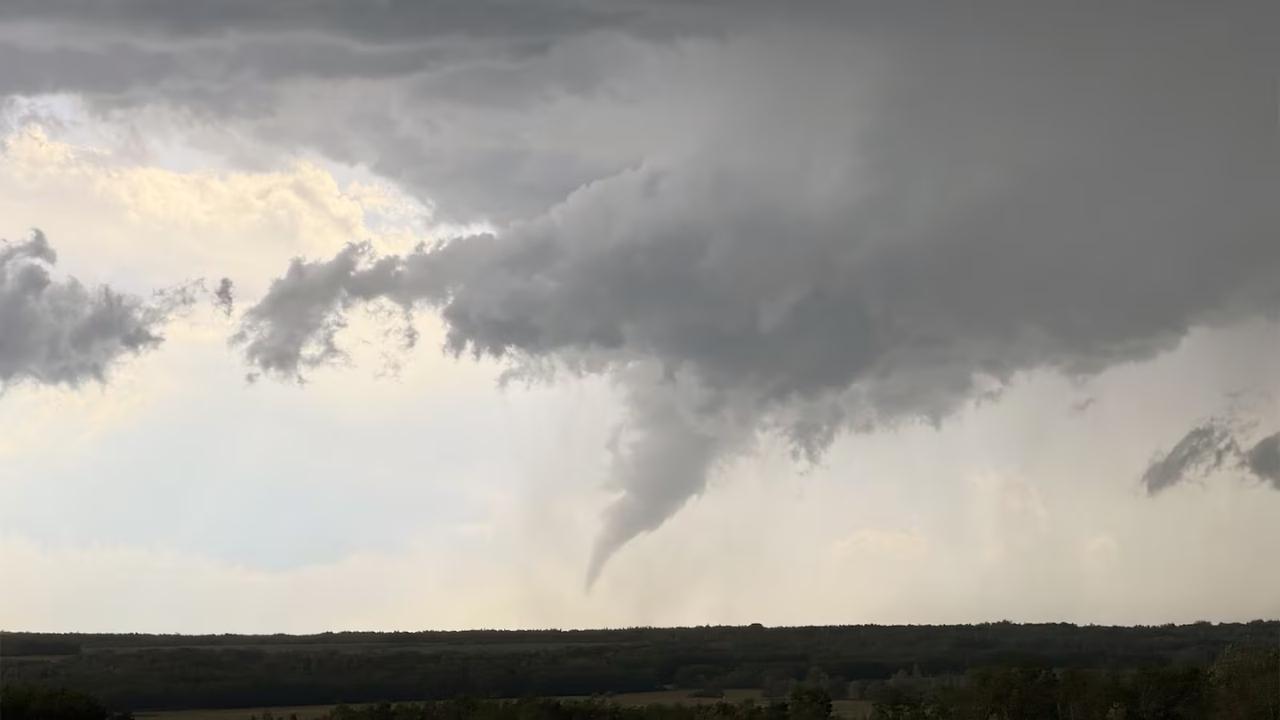
Photo:@Trenton_WX
Environment and Climate Change Canada has issued a tornado watch for several regions west of Edmonton, including areas near Obed Lake and Drayton Valley. The alert signals that conditions are favourable for the development of tornadoes and severe thunderstorms, prompting caution and preparation among residents.
At the same time, a thunderstorm watch is in effect for Edmonton and surrounding urban areas. Weather officials have warned that these storms may bring intense winds, large hail, and heavy rainfall. With temperatures around 30°C, the atmosphere is primed for volatile weather conditions.
What the Weather Alerts Mean
-
Tornado Watch: This alert means tornadoes are possible in the area. It covers a broad region and often precedes more severe warnings. While no tornado is currently occurring, the conditions are right for one to form.
-
Thunderstorm Watch: Indicates that severe thunderstorms may occur. These storms can produce damaging winds, hail, and intense lightning, even without tornadic activity. Residents are advised to remain weather-aware throughout the day.
Recent Storm Activity and Weather Pattern
Earlier in the day, areas like Lodgepole, Brazeau County, and parts of the Yellowhead corridor experienced funnel cloud sightings, raising concern among local authorities. A previously issued tornado warning was downgraded, but experts caution that the risk remains real.
The current storm system is tracking northeast at approximately 15 kilometers per hour. The most active window is expected between 5 p.m. and 8 p.m., with possible wind gusts strong enough to cause structural damage and hail potentially reaching tennis-ball size.
How Residents Can Prepare
Residents across the region—especially in the tornado watch zone—are urged to take proactive steps to ensure their safety. This includes:
-
Staying Informed: Monitor weather alerts through radio, mobile apps, or local broadcasts. Conditions can evolve rapidly.
-
Knowing Safe Shelter Locations: Identify the safest place in your home, such as a basement or an interior room away from windows. Avoid mobile homes, vehicles, and temporary structures.
-
Emergency Kits: Keep essentials like water, flashlights, first-aid supplies, and important documents easily accessible.
-
Outdoor Awareness: Postpone outdoor events, especially in open areas or parks. Lightning and hail can arrive suddenly and with little warning.
-
Helping Others: Check in on neighbors, particularly seniors or those with mobility issues, to ensure they are also prepared.
Alberta’s Storm Season History
This warning comes as Alberta enters the peak of its thunderstorm season. Historically, the province has experienced severe weather during July, with notable events including the devastating Edmonton tornado in 1987. That storm caused major loss of life and damage, leading to significant upgrades in forecasting and emergency alert systems.
Today, Alberta benefits from a network of Doppler radar, emergency alert systems, and coordinated response protocols that aim to provide timely, accurate warnings to the public. These tools are crucial in minimizing risk when facing rapidly developing storms.
No Need for Panic, But Stay Alert
Weather officials stress that a tornado watch is not a cause for panic—but rather, a time to remain alert and ready to act. These events can escalate quickly, and the presence of multiple converging weather patterns adds to the uncertainty.
For Edmonton residents, the primary concern today is the risk of damaging thunderstorms. Large hail, strong winds, and heavy rain could result in localized flooding or property damage. City officials have urged people to remain indoors during active storms and avoid unnecessary travel.
Final Take
With tornado watches issued west of Edmonton and thunderstorm alerts in the city itself, Alberta residents face a heightened weather risk window. Vigilance, preparedness, and rapid response will be key to staying safe. Take a moment now to double-check your emergency plan, secure outdoor items, and stay tuned to local weather updates.
As the skies darken and conditions shift, your readiness could make all the difference.