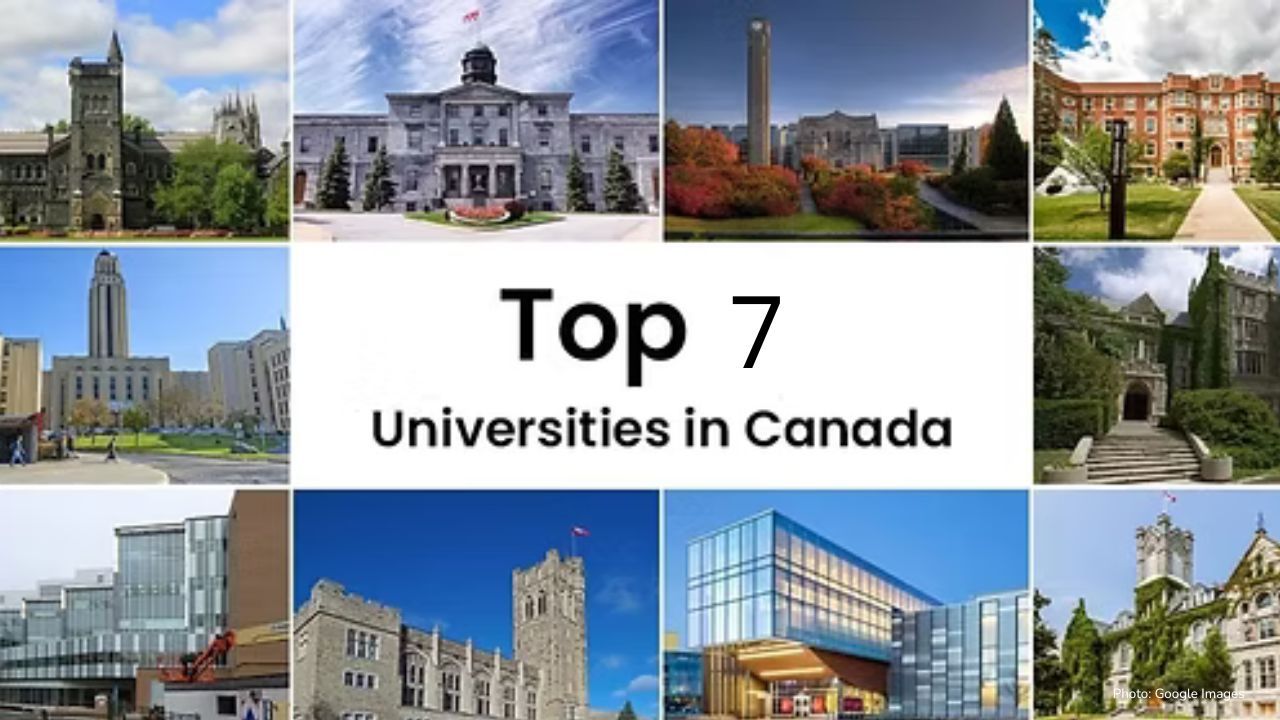
Canada has become one of the best places in the world for higher education. Students from every corner of the globe dream of studying in Canadian universities because they offer quality learning, modern classrooms, and many career opportunities. Among all subjects, education degrees have become very popular. These programs help students become teachers, education leaders, and researchers.
In 2025, Canada continues to stand out for its high education standards, friendly environment, and practical training methods. This editorial looks at the top universities in Canada for education degrees, what makes them special, what programs they offer, and how studying in Canada can help shape a successful career in education.
1. University of Toronto – Ontario
The University of Toronto (U of T) is one of the best and oldest universities in Canada. It is famous for its Ontario Institute for Studies in Education (OISE). This institute trains teachers and education experts who work around the world.
Top Programs: Bachelor of Education (B.Ed), Master of Teaching, and Doctor of Education.
Why It’s Special: The university focuses on both research and classroom teaching. Students learn through real-life school experience, not just books.
Career Options: Teacher, education consultant, or curriculum planner.
U of T’s graduates often become leaders in education policy and school management.
2. University of British Columbia (UBC) – Vancouver
UBC is known for its natural beauty and strong academic programs. Its Faculty of Education gives students the chance to learn about modern teaching methods and digital learning.
Top Programs: Bachelor of Education in Elementary and Secondary Teaching, Master of Education in Leadership.
Why It’s Special: UBC encourages creative thinking and teamwork. Students get practical training in real classrooms.
Career Options: School teacher, principal, or education researcher.
UBC also works closely with schools and communities to make learning more practical and meaningful.
3. McGill University – Montreal
McGill University is one of Canada’s oldest and most respected institutions. Located in Montreal, it offers programs in both English and French, giving students a bilingual advantage.
Top Programs: B.Ed in Kindergarten and Elementary Education, M.Ed in Educational Psychology.
Why It’s Special: McGill combines strong academic learning with real-world practice.
Career Options: School counselor, education specialist, or language instructor.
Students at McGill also get the chance to join international exchange programs to understand global education systems.
4. University of Alberta – Edmonton
The University of Alberta has one of the biggest and most active education faculties in Canada. It trains teachers, school psychologists, and education researchers.
Top Programs: Bachelor of Education (Elementary and Secondary), Master of Education, and Ph.D. in Educational Studies.
Why It’s Special: The university offers great research support and field training.
Career Options: Teacher, researcher, or school administrator.
Students can also work with Alberta’s local schools during their studies, which helps them gain real experience.
5. University of Ottawa – Ontario
Located in the nation’s capital, the University of Ottawa offers bilingual education in both English and French. Its Faculty of Education focuses on digital learning and modern teaching methods.
Top Programs: B.Ed in Primary, Junior, and Senior divisions; M.Ed in Digital Learning.
Why It’s Special: The university promotes new ways of teaching using technology.
Career Options: E-learning designer, curriculum developer, or school leader.
Graduates from Ottawa’s education programs are in demand in both Canadian and international schools.
6. Simon Fraser University – British Columbia
Simon Fraser University (SFU) is another leading university for education studies. It focuses on social learning, community teaching, and innovation in education.
Top Programs: B.Ed, M.Ed in Educational Leadership, and Ph.D. in Education.
Why It’s Special: SFU offers flexible courses and practical fieldwork.
Career Options: Education manager, policy advisor, or community education expert.
SFU encourages students to take part in real projects that improve local education systems.
7. Queen’s University – Kingston, Ontario
Queen’s University has a strong tradition of teacher training and educational research. Its programs combine classroom lessons with hands-on teaching experience.
Top Programs: B.Ed, M.Ed, and Graduate Diploma in Education.
Why It’s Special: The university focuses on leadership skills and innovation in teaching.
Career Options: School teacher, educational researcher, or consultant.
Graduates from Queen’s are known for their creativity and professionalism in education.
Why Students Choose Canada for Education Degrees
There are many reasons why Canada attracts education students from across the world:
High-Quality Education: Canadian universities are globally recognized for excellence.
Practical Learning: Students get classroom experience during their studies.
Safe and Friendly Environment: Canada is peaceful and welcoming for international students.
Job Opportunities: There is a high demand for trained teachers in Canada.
Cultural Diversity: Students from different backgrounds learn together, building global understanding.
Admission Requirements
To study education in Canada, students usually need:
A high school diploma (for B.Ed programs).
A bachelor’s degree (for M.Ed or Ph.D. programs).
Good grades in English and social science subjects.
English language test scores (IELTS or TOEFL).
Letters of recommendation and a personal statement.
Each university has its own admission rules, so students should check the official website before applying.
Tuition Fees and Living Costs
The cost of studying in Canada depends on the university and the program:
Bachelor’s degree: CAD $25,000 – $35,000 per year.
Master’s degree: CAD $20,000 – $40,000 per year.
Living costs: Around CAD $10,000 – $15,000 per year for housing, food, and travel.
Scholarships are available for both local and international students, such as the Vanier Canada Graduate Scholarship and Ontario Graduate Scholarship.
Career Scope After Graduation
Graduates with education degrees can work in many fields, such as:
Public and private schools
Colleges and universities
Government education departments
Non-profit organizations
EdTech companies
Common jobs include:
Teacher, school principal, education researcher, curriculum developer, and learning consultant.
Education graduates also have the choice to work abroad, as Canadian degrees are respected worldwide.
Disclaimer
Studying education in Canada offers students a bright and stable future. The country’s universities provide excellent teaching, practical training, and international exposure. Graduates from these top institutions go on to improve education systems in Canada and around the world.