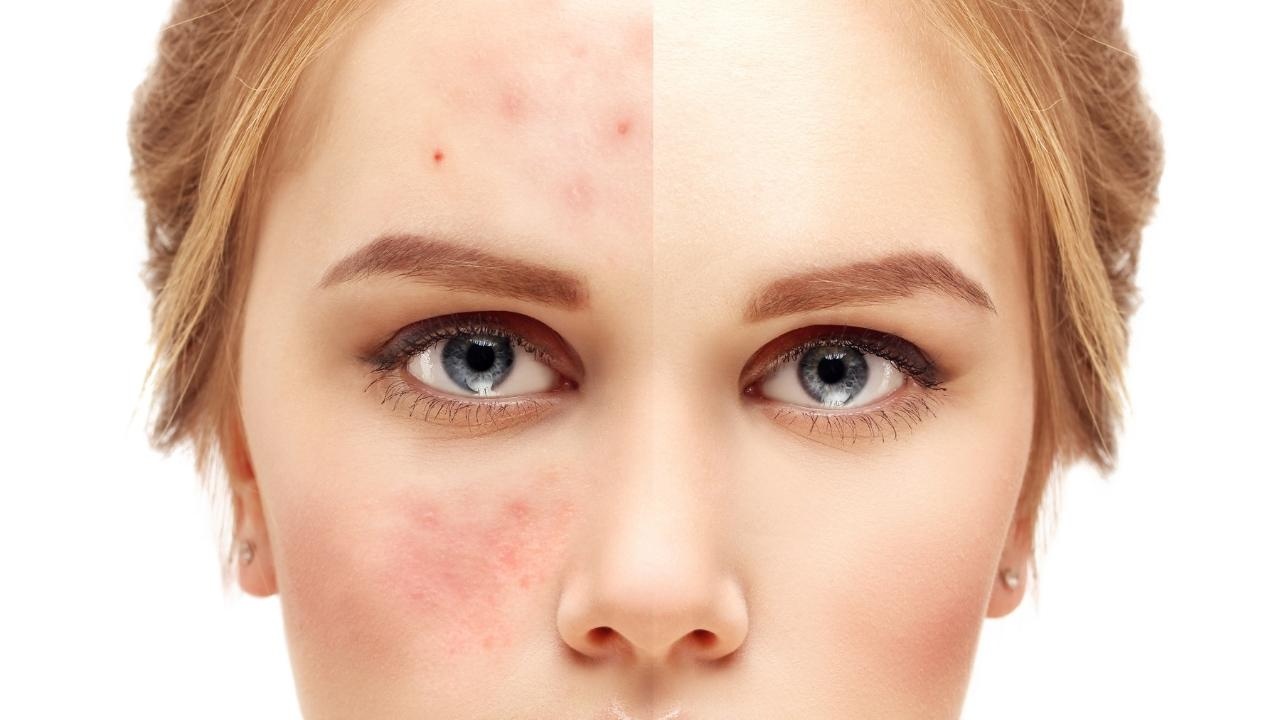
Revitalize Your Skin: A 3-Step Guide to Healing Your Skin Barrier
Have you observed your skin becoming unexpectedly dry, tight, or red while using your usual skincare? This could indicate a compromised skin barrier.
In skincare, we often chase after serums, acids, and glow boosters. However, the key to achieving soft, healthy skin lies within your skin barrier. It acts as a robust shield against environmental aggressors, pollution, and germs while retaining moisture. A damaged barrier means your skin may become irritated, dry, or lackluster.
Fortunately, you can mend it without resorting to pricey treatments or elaborate regimes. Just follow three simple steps—calm, hydrate, and protect—to repair your skin barrier and invigorate your natural glow.
Let’s explore the causes of damage, the signs to watch for, and how you can nurture your skin’s resilience naturally.
The Importance of a Healthy Skin Barrier
Your skin barrier, known as the stratum corneum, forms the outermost layer of your skin. Comprising natural oils, fatty acids, and skin cells, it is crucial for maintaining hydration and protecting against irritants.
When intact, this layer ensures your skin feels smooth and soft. Damage to it inhibits moisture retention and defense against irritants, leading to dryness, redness, or breakouts.
Factors that commonly damage the skin barrier include:
Overusing exfoliants or harsh chemicals
Applying potent acids or retinol excessively
Long, hot showers which strip away natural oils
Exposure to pollution, UV rays, and dehydration
Lack of sleep and increased stress levels
If your skin burns after applying moisturizer or appears rough, it’s an obvious indication that your barrier is in distress.
Now, let’s break down the healing process step by step.
Step 1: Simplify and Soothe
Goal: Calm your skin and allow it to recover.
The initial step to restoration is to streamline your skincare routine. Overloading your skin with products can exacerbate issues when your barrier is compromised.
What to Do:
Pause the use of strong active ingredients such as retinol, acids (AHA/BHA), and vitamin C for at least a week.
Opt for a gentle, fragrance-free cleanser enriched with hydrating elements like aloe vera, oat extract, or glycerin.
Eschew exfoliants or scrubs; your skin requires gentleness, not abrasion.
Use lukewarm water for cleansing, as hot water can strip essential oils.
Pro Tip:
If your skin feels overheated or irritated, a cold compress or cotton pad soaked in rose water can provide immediate relief.
This preliminary step helps your skin settle and be ready for healing.
Step 2: Rehydrate and Rebuild
Goal: Restore moisture and fortify your skin’s natural barrier.
As your skin becomes calmer, it’s time to provide it with the hydration it desperately needs—think of this phase as giving your skin a rejuvenating drink after exposure to the sun.
What to Do:
Initiate with a gentle hydrating spray or toner containing hyaluronic acid or rose water.
Apply a barrier-repair serum or moisturizer incorporating ceramides, niacinamide, or panthenol (vitamin B5).
Conclude with a lightweight yet creamy moisturizer; ingredients such as squalane or shea butter work to seal in moisture.
Key Ingredients to Consider:
Ceramides: Vital for rebuilding the skin’s defensive layer.
Niacinamide (Vitamin B3): Eases redness and fortifies the skin.
Panthenol (Vitamin B5): Moisturizes and minimizes inflammation.
Squalane: Locks in moisture for lasting softness.
Pro Tip:
Apply moisturizer on damp skin for enhanced hydration retention.
Within a few days, you’ll start to notice your skin feeling smoother and more balanced.
Step 3: Protect and Maintain
Goal: Safeguard your barrier and avert future damage.
As your skin heals, the final phase is crucial for protection. Consistency is key to sustained health.
What to Do:
Always wear sunscreen. UV rays are major culprits of barrier damage; use a broad-spectrum SPF 30 or higher daily, even at home.
Be gentle in makeup removal—choose micellar water or cleansing balms over alcohol-based removers.
Stay well-hydrated by drinking ample water throughout the day.
Incorporate omega-3-rich foods like walnuts, flaxseeds, and fish for internal nourishment.
Ensure adequate sleep as your skin undergoes repair during rest.
Pro Tip:
Once your skin feels normalized, gradually reintroduce actives like vitamin C or mild exfoliants—do this one product at a time.
Indicators of Skin Barrier Recovery
After a week of adhering to this straightforward routine, your skin should start showing improvements:
Smoother, more plump texture
Gradual relief from redness and burning
Rough patches becoming less pronounced
A natural, radiant glow returning
Makeup applying easily without discomfort
When your barrier is mended, even your basic skincare items will work more efficiently.
Long-Term Skin Health Strategies
Limit washing your face to twice daily; over-cleansing can weaken the barrier.
Use a humidifier in dry or air-conditioned environments.
Avoid introducing too many new products at once.
Maintain a balanced diet abundant in fruits, vegetables, and healthy fats.
Shield your skin from extreme weather; increase moisturization in winter and apply sunscreen year-round.
Achieving healthy, glowing skin isn’t solely about utilizing numerous products; it’s about maintaining balance and care. Your skin barrier forms the foundation for all skincare routines. A robust barrier helps keep your skin calm, soft, and naturally vibrant.
If your skin feels dry, tight, or sore, take a break from your usual routine to implement these three straightforward steps: soothe, hydrate, and protect.
In just a few days, watch your skin transform—it will feel calmer, appear brighter, and emanate natural radiance. Because true beauty stems from gentle care, not the quantity of products used.
Disclaimer
This article serves only for informational purposes and should not replace professional dermatological advice. Individual skin conditions may vary, yielding different results. Always perform a patch test before introducing new skincare products or ingredients. If you experience persistent irritation, severe acne, eczema, or similar concerns, consult a certified dermatologist before altering your skincare routine.