The Hidden Cost of Digital Convenience
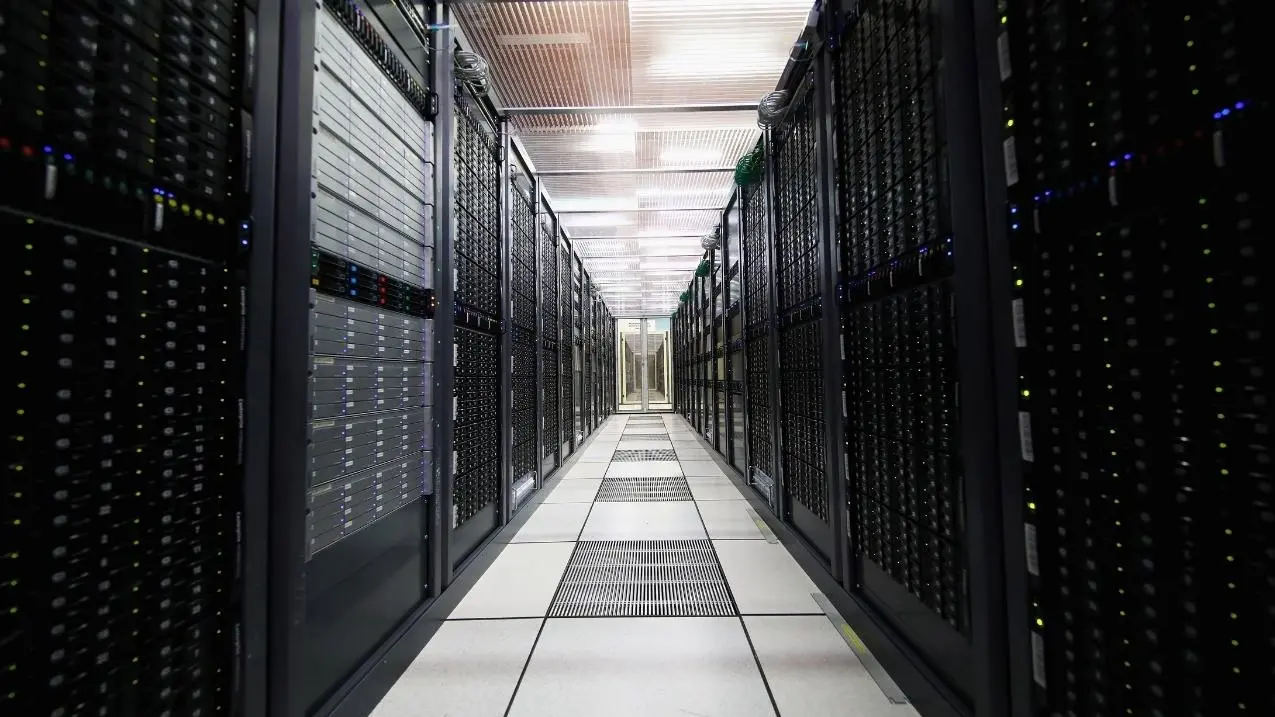
Every time you binge-watch a series, scroll through your feed, or interact with an AI, there's an invisible network of data centres working tirelessly behind the scenes. These extensive, often windowless facilities house countless machines that need constant cooling to function, consuming vast amounts of electricity.
While the digital realm may seem light and ethereal, the reality is starkly different.
Modern apps and services, essential to our lives, are among the largest consumers of electricity globally. With the fast-paced expansion of AI technology, the heat generated by these systems is outpacing our energy infrastructure's ability to adapt.
Electric grids are increasingly strained as demand rises unexpectedly in areas unprepared for such surges. Cooling systems, which pull water from already drought-affected regions, further exacerbate the situation. Meanwhile, utility companies adjust electricity rates in response to these pressures.
The pressing question arises:
Will your beloved streaming sessions and robot interactions drive up your electricity bills?
Is our digital era becoming intolerably hot?
This article dives into how data centres and AI are fueling a hidden energy crisis and why it's crucial for every household.
Understanding Data Centres
More Than Just Storage
A data centre operates as a hub filled with servers that store, process, and relay information. During peak usage by millions, these machines continuously function.
As they work, they generate substantial heat.
To safeguard their operations, these servers require stable, cool environments, which necessitate large-scale cooling systems like:
Remarkably, a single large data centre may consume power comparable to that of a small city.
The AI Impact on Energy Consumption
AI's Demand for Power
Operating a website consumes energy.
Running an AI? That's a different story altogether.
AI technology demands:
-
Intensive computations
-
Ongoing data assessments
-
Fast processors
-
Routine system updates
Engaging with an AI system involves multiple machines processing your requests, creating a cascading effect on server workload and energy consumption.
Unlike simple online searches, AI interactions are complex, requiring numerous calculations, and as businesses adopt AI, the machinery needed grows exponentially.
More machines lead to more heat, which necessitates increased cooling efforts, leading to further energy consumption.
The Energy Costs of Everyday Life
Power Use Beyond Your Device
When charging your devices, you can track energy consumption.
However, consider the unseen costs:
-
Energy for checking emails
-
Power for social media activities
-
Servers for your music choices
-
Machines powering your movie streaming
-
Data needs for navigation
-
AI computations taking place in milliseconds
The effortless conveniences we enjoy have inherent energy costs that rarely cease.
While you pay your phone and internet bills, you also bear additional costs through:
The digital ecosystem is adding to your power bills in ways often unnoticed.
Cooling Issues for Data Centres
Heat: The Main Adversary
High temperatures impede server performance and increase failure chances.
Effective cooling relies on:
As the density of machines increases, traditional cooling methods are ineffective.
Many data centres require continuous cooling, even during colder months.
Water Consumption Goes Unseen
Cooling Systems Drain Essential Water Resources
Data centres utilize vast quantities of water to function efficiently, leading to potential conflicts between:
-
Domestic use
-
Agricultural needs
-
Industrial demands
-
Digital infrastructures
As the need for electricity increases, water scarcity often follows suit.
When digital water use becomes routine, the potential for shortages can loom invisibly until a crisis materializes.
Power Grids under Pressure
The Rapid Expansion of Data Centres
Unlike traditional industries, data centres appear with unprecedented speed.
A new facility can overshadow local electricity demands overnight, overwhelming systems designed for incremental growth.
Power companies face pressure to:
-
Enhance generation capacity
-
Strengthen transmission lines
-
Establish new substations
-
Upgrade transformers
-
Add reserve power sources
These developments require substantial financial investment.
Typically, these costs trickle down to the consumer.
Cost Implications for Consumers
Real-World Effects of Escalating Demand
When electricity consumption surpasses supply, numerous consequences arise:
While data centres may negotiate advantageous power prices, the pressures of escalating demand inevitably extend to households.
Consumers will feel the effects through:
While the digital age seems ethereal, the costs associated with it are tangible, evident, and inescapable.
Relying Solely on Renewable Energy?
Renewable Solutions Fall Short
Though solar and wind power are on the rise, the demand from data centres is outpacing this growth.
Additionally:
Even when the sun sets, servers continue processing information._l
In high-demand periods, traditional energy sources remain essential, adding to the burden of AI energy use challenges.
Advancements in Cooling Technology
Emerging Cooling Solutions
Innovative methods are being tested, including:
-
Liquid immersion cooling
-
Data centres submerged in water
-
AI-driven airflow regulation
-
Utilizing energy recapture systems
-
Cooling designs targeting specific locales
Some centres are relocating to cooler areas to mitigate their cooling needs.
However, these advancements are lagging behind AI’s rapid growth.
Are Data Centres Ecological Villains?
Complex Figures in Sustainability
Data centres are integral to sectors such as:
-
Finance
-
Healthcare
-
Education
-
Telecommunication
-
Public safety frameworks
-
Research initiatives
-
Government operations
These facilities are essential.
Yet, rapid efficiency improvements are critical, as neglecting their impact on energy consumption could result in far higher expenditures.
Government Actions on Energy Issues
Policy Making for Data Centre Impact
Authorities are now focusing on:
-
Guidelines on server placement
-
Water use regulations
-
Limitations on energy consumption
-
Carbon footprint tracking
-
Required efficiency measures
Strategic planning for digital infrastructure has become as vital as roadways, bridges, and power facilities.
The digital economy now directly intersects with the physical world.
The Value of AI vs. Energy Costs
Optimizing AI's Energy Use
AI contributes to:
However, unchecked growth poses risks.
To mitigate energy waste in AI, we must focus on:
-
Efficient coding practices
-
Advanced chip technologies
-
Dynamic load adaptations
-
Batch processing techniques
-
Prioritizing user demands
Convenience must come with responsibility to maintain affordability.
What You Can Do to Help
Everyday Digital Choices Matter
Minimize waste by:
-
Turning off auto-play for streaming
-
Closing unnecessary background applications
-
Limiting cloud backups
-
Unsubscribing from services you no longer use
-
Reducing repeated queries to AI tools
-
Lowering screen resolution when not needed
Small alterations in habits can bring about significant collective savings.
Should You Be Concerned About Future Power Costs?
Rising Prices: A Slow but Sure Trend
Anticipate gradual electricity price increases rather than sudden spikes.
The trend is evident:
An increased digital lifestyle escalates energy consumption.
This surge in demands inevitably raises future costs.
The discomfort of rising expenses won’t arrive abruptly; it will emerge subtly over time.
Future Planning is Essential
Strategic Investment in Infrastructure
Potential solutions include:
-
Designated power routes for data centres
-
Specific energy sites
-
Water recycling initiatives
-
Stringent cooling directives
-
Transparency in energy monitoring
-
More sophisticated energy allocation protocols
Digital development must respect the constraints of the physical world.
Balancing Digital with Physical Realities
Clouds are tangible facilities.
AI requires substantial computing infrastructure.
Apps draw on various energy sources including coal, solar, wind, and gas.
Streaming services depend on electricity grids.
The digital realm isn't detached from nature — it relies heavily on it.
Final Thoughts: The Ripple Effect of Your Digital Activity
Every video streamed.
Every inquiry made.
Every picture uploaded.
Every message dispatched.
All of these contribute to heat in distant machines.
AI is forging new paths in society.
Yet, the trade-off is energy consumption.
The challenge lies not in ceasing technological advancements but in managing resource efficiency.
Finding solutions to the data centre heat dilemma could foster sustainable technology.
Failing to address the issue will result in rising costs.
Ultimately, any cost will manifest in one crucial arena:
Your electricity statement.
Disclaimer:
This article serves only as informational content and doesn’t replace professional financial, environmental, or technical advice. For energy usage, policy, or sustainability matters, please consult the appropriate professionals.