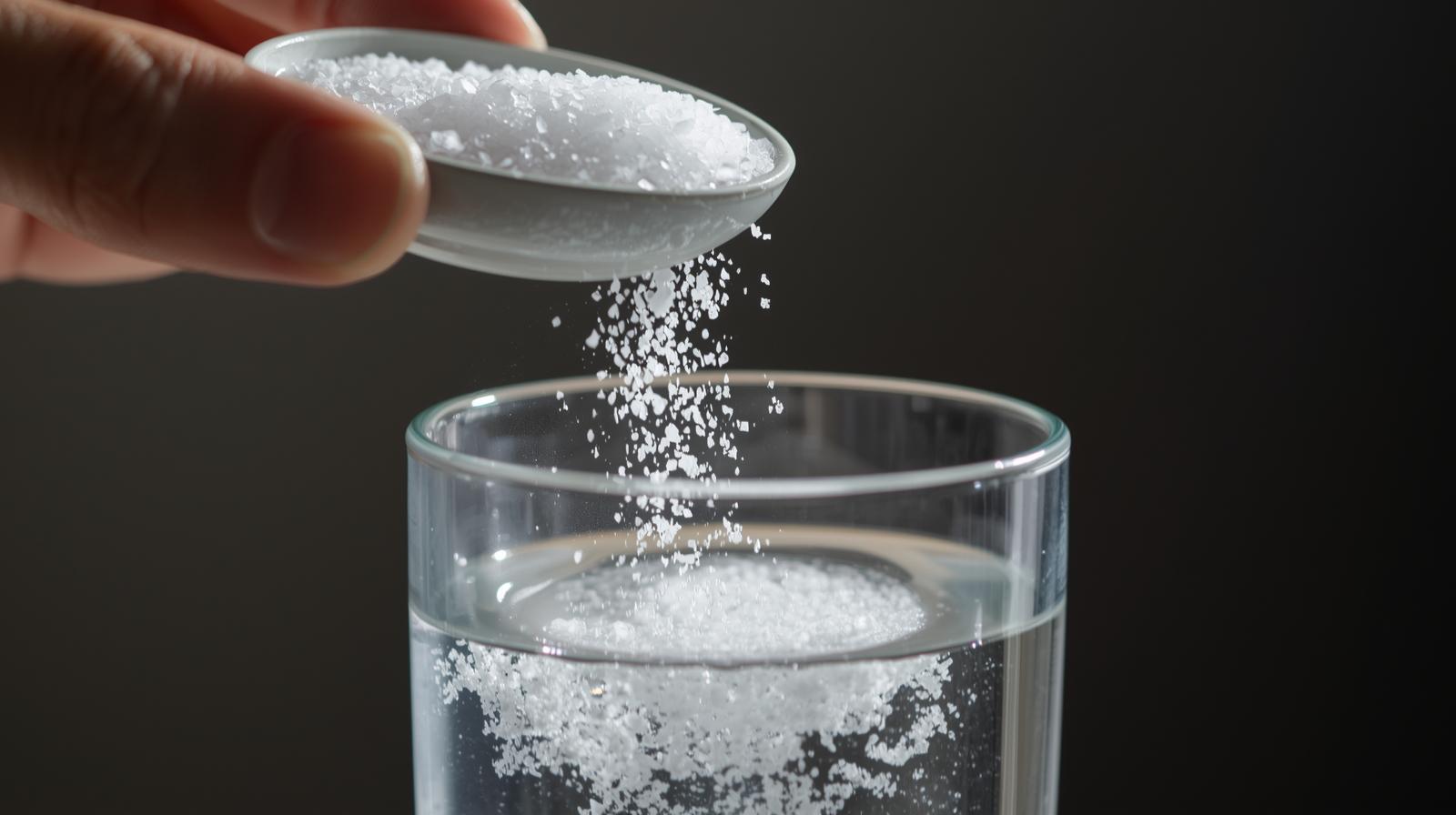
The Surprising Benefits of Adding Salt for Enhanced Hydration
For many, the key to hydration simply involves increasing water intake. Yet, what if the better approach is not just about drinking more water, but also enhancing that water? It turns out, a pinch of salt could be essential for achieving optimal hydration.
This might sound odd. Salt has often been criticized for its links to high blood pressure and bloating. However, in moderation, it serves an important function in maintaining proper fluid balance, energy levels, and cognitive performance. Let’s dive into why electrolytes like sodium are crucial for your body and how the right quantity of salt can make a difference in your hydration.
The Mechanics of Hydration
Hydration encompasses not just the amount of water you consume, but also how effectively your body utilizes that water. Every cell requires fluid, but in some cases, water alone isn't sufficient.
Through activities like sweating, exercising, and even breathing, your body experiences losses of both water and electrolytes, which include sodium, potassium, magnesium, and chloride. These are vital for regulating muscle function, nerve signals, and overall fluid balance.
Failing to restore electrolytes along with water can lead to imbalances, resulting in conditions like hyponatremia (a drop in sodium levels), which can manifest as fatigue, confusion, or dizziness.
Thus, true hydration involves replenishing both water and electrolytes — not merely consuming large volumes of plain water.
Importance of Salt for Hydration
Salt (sodium chloride) functions as the body’s primary electrolyte. Sodium helps sustain the osmotic balance between your cells and their surrounding fluid, ensuring that tissues receive adequate hydration.
Here’s how salt can enhance hydration:
-
Facilitates better water absorption.
-
Minimizes excessive fluid loss through perspiration or urination.
-
Maintains fluid equilibrium within blood and tissues.
-
Supports muscle and nerve activity during physical exertion or heat.
Inadequate sodium allows water to flow through your body too quickly without being retained properly, often leaving you feeling fatigued, dizzy, or more dehydrated than before.
The Overhydration Pitfall: Relying Solely on Water
You may be familiar with the recommendation to “drink eight glasses of water a day” — a guideline that needs further context.
Consuming excessive plain water, especially in high-intensity activities or during heat, can actually dilute your blood sodium levels. This dilution fast-tracks the excretion of electrolytes, resulting in symptoms indicative of overhydration, including:
-
Muscle cramps
-
Headaches
-
Fatigue
-
Nausea
-
Mental fog
It’s for this reason athletes often prefer electrolyte drinks instead of plain water; hydration is about equilibrium, not just quantity.
Enhancing Hydration by Adding Salt
Incorporating a pinch of salt in your drinking water can significantly improve hydration:
1. Boosts Water Absorption
The sodium assists your intestines in more effectively absorbing water. A small bit of salt prompts your body to keep and use fluids rather than excreting them rapidly.
2. Restores Electrolytes
Exercising in hot weather causes sodium loss through sweat. Adding a pinch of salt in your drink allows you to maintain electrolyte balance, helping to stave off cramps or fatigue.
3. Combats Dehydration Fatigue
If you feel drained even after consuming lots of water, your electrolyte levels may have dipped. A dash of salt keeps sodium stable, which in turn helps sustain your energy and concentration.
4. Fosters Heart and Muscle Health
Sodium aids in regulating blood pressure and muscle contractions. Insufficient sodium can result in weakness, irregular heart rhythms, or cramping—all indicators of poor hydration.
Properly Adding Salt to Water
Before you overdo it with your salt shaker, remember—less is more. There's no need to create a salty seawater concoction (which is excessively high in sodium).
To maximize hydration, consider doing the following:
-
Combine a pinch (about 1/8 teaspoon) of sea salt or Himalayan pink salt with one liter (4 cups) of water.
-
Stir thoroughly until entirely dissolved.
-
You may choose to add a drizzle of lemon juice or a teaspoon of honey for a flavor boost and additional electrolytes.
This straightforward blend is often known as homemade electrolyte water or “sole water.” It provides a natural, cost-effective substitute for commercial sports beverages that are often high in sugar and additives.
Comparing Sea Salt and Table Salt
Not all salt is alike; the kind you select truly matters.
-
Table Salt: Highly refined and typically devoid of trace minerals. It may also include additives like anti-caking agents.
-
Sea Salt: Contains natural trace minerals, enhancing its electrolyte properties.
-
Himalayan Pink Salt: Brimming with over 80 trace minerals, it has slightly lower sodium but greater nutritional value overall.
For hydration, it’s advisable to use Himalayan salt or unrefined sea salt.
When to Consider Salt Water for Hydration
You don’t need to add salt each time you sip water. But there are particular scenarios where it’s especially favorable:
-
After Working Out: Assist in replenishing lost electrolytes and preventing post-exercise fatigue.
-
On Hot Days: Aids in avoiding dehydration during intense sweating.
-
In the Morning: A glass of warm salt water (with lemon) kick-starts fluid balance and metabolism.
-
Post-Illness or Diarrhea: Replaces lost minerals necessary for recovery.
-
While Traveling: Minimizes dehydration occurring from air conditioning and long journeys.
Be attuned to your body; increased sweat often indicates a greater need for electrolytes.
Recognizing Low Salt Symptoms
While low sodium levels are less common than excess intake, they can occur in those who are highly active or on restrictive diets.
Common signs of low sodium (hyponatremia) include:
If any of these symptoms resonate, your body may require additional electrolytes rather than just more water.
Is Excess Salt Hazardous?
Indeed, and that’s why balance is essential.
Consuming high amounts of sodium (often from processed foods) may lead to high blood pressure, fluid retention, and various cardiovascular complications.
The recommended daily intake for adults is around 2,300 mg (equivalent to roughly one teaspoon of salt). Nonetheless, if you’re frequently active or in a warm climate, your requirements may be slightly elevated.
It's crucial to focus on natural salts in moderation, avoiding overconsumption.
Other Vital Electrolytes for Hydration
While sodium is the most significant for hydration, it works best in conjunction with others:
-
Potassium: Found in foods like bananas, avocados, and coconut water; it aids in heartbeat regulation and nerve health.
-
Magnesium: Facilitates muscle relaxation, helping to avert cramps.
-
Calcium: Essential for bone health and nerve signaling.
A well-rounded electrolyte composition is key for your hydration strategy to promote comprehensive well-being, not just fluid retention.
The Advantages of Effective Electrolyte Hydration
Integrating a pinch of salt into your hydration approach can offer numerous perks beyond satisfying thirst.
Here’s what proper hydration can bring:
-
Enhanced energy and mental clarity throughout the day.
-
Improved athletic performance and quicker recovery.
-
Less muscle cramping and tiredness.
-
Stable mood and reduced anxiety.
-
Healthier skin and boosted digestion.
Hydration affects everything, from cognitive sharpness to physical endurance.
In Conclusion: Rethink Your Approach to Salt
For too long, salt has been viewed as something to limit—yet as with many health subjects, it's about balance and context.
When applied judiciously, salt is not an adversary but a necessary mineral vital for peak bodily function. By simply adding a small pinch to your water, you can boost hydration, energize, and promote bodily equilibrium, particularly in times of demand or heat.
The next time you grab a glass of water, think about giving your body what it truly craves—electrolyted water, rather than merely H₂O.