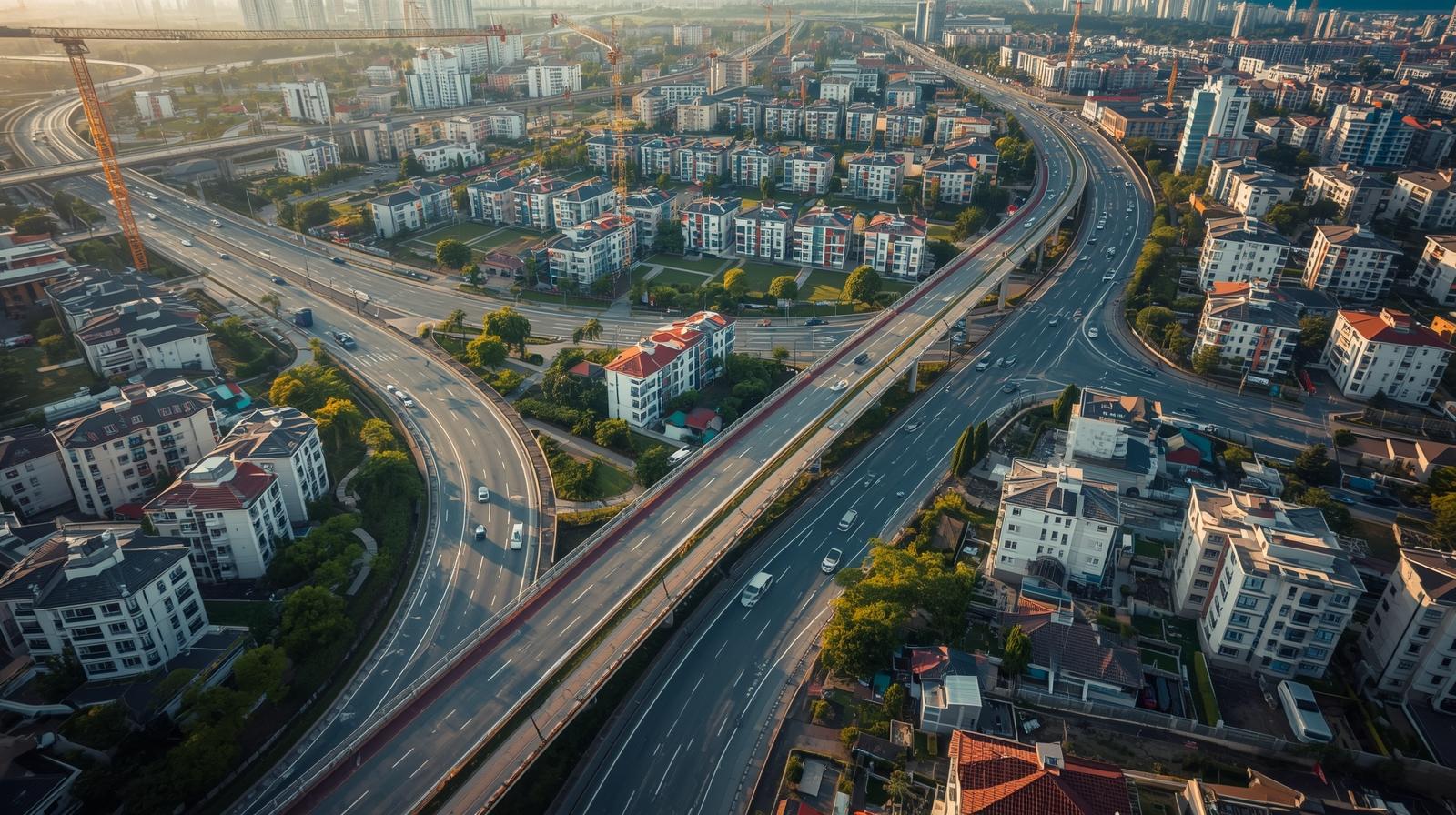
The Rise of Tier-2 Cities: Infrastructure Driving Future Housing Growth
Tier-2 cities are rapidly becoming sought-after real estate destinations as buyers seek more affordable options alongside improved quality of life and investment potential. As metro areas grow more expensive and crowded, Tier-2 regions are witnessing a surge in infrastructure developments, smart city initiatives, and expansive commercial projects. This transformative trend is facilitating a new housing boom fueled by heightened accessibility, enhanced connectivity, and increased job opportunities. In this article, we delve into what makes Tier-2 cities appealing, the infrastructure improvements leading this shift, and how investors and homebuyers can benefit in the years to come.
Growing Interest in Tier-2 Cities
Historically, metropolitan areas dominated real estate demand, but escalating prices and traffic issues have prompted many buyers to explore alternatives. Tier-2 cities now provide a compelling combination of affordability and advanced urban amenities.
Key Drivers of Change
Affordability of homes and greater living space
Reduced pollution and congestion
Increasing job opportunities
Superior rental yields compared to metros
The blend of lower costs with rising income potential renders Tier-2 cities attractive for both residential buyers and investors alike.
Transformational Infrastructure Projects Enhancing Accessibility
Infrastructure development serves as the cornerstone of this real estate revolution. As governments invest in roads, airports, metro systems, and industrial corridors, Tier-2 cities are evolving into connected economic hubs.
Notable Developments Driving Progress
Expansion of national highways and expressways
New regional airports with expanded flight routes
City-specific metro projects
Railway modernization initiatives
With streamlined transportation for people and goods, these cities are inviting more businesses, industries, and residents.
Smart City Initiatives Boosting Urban Growth
The Smart City Mission is reinvigorating Tier-2 locales, refining both operational efficiency and urban growth.
Visible Improvements Across Numerous Cities
Technological governance and modern public services
Green energy solutions
Effective waste management systems
Enhanced water supply and monitoring
Safer streets featuring surveillance and intelligent traffic systems
These upgrades enhance living standards, transforming these regions into attractive residential options.
Developing Commercial and Industrial Ecosystems
Increasingly, Tier-2 cities are becoming epicenters for employment due to the establishment of new industrial zones, IT parks, and logistics centers.
What is Collaborating to Create Jobs?
The migration of IT firms from costlier metros
Industrial corridors connecting multiple Tier-2 cities
Large warehousing facilities spurred by e-commerce
Manufacturing incentives shaped by national policies
With job creation, migration rises, housing demand increases, and real estate markets see organic strengthening.
Demand for Affordable Housing Driving the Surge
The disparity in affordability between metros and Tier-2 cities significantly accelerates real estate growth.
Reasons Buyers Favor These Cities
Properties that are larger, modern, and economical
Easier loan eligibility due to lower property expenses
Reduced cost of living attracts young families and professionals
Government incentives for affordable housing increase appeal
This makes Tier-2 markets attractive options for first-time homeowners and long-term investors.
The Development of Modern Communities and Gated Estates
Developers are now bringing amenities commonly found in metro areas—clubhouses, parks, security features, co-working spaces, and smart homes—to Tier-2 cities.
Advantages of Contemporary Housing Developments
Planned neighborhoods bolster safety
Green areas enhance overall well-being
Smart home technology boosts property values
Such projects capture attention from working professionals, NRIs, and investors preferring organized living environments.
Expanding Rental Markets and Investment Returns
Rental yields in Tier-2 cities frequently exceed those in metropolitan areas due to the influx of migrants and supply constraints in prime regions.
Reasons Investors Observe Increased Returns
Lower property acquisition costs coupled with stable rental income
Growing demand from students, professionals, and newcomers
Strong potential for appreciation owing to infrastructure growth
This combination provides a stable and secure investment landscape.
Quality of Life Benefits Over Metropolitan Areas
An enhanced lifestyle is a significant factor attracting buyers.
Significant Lifestyle Advantages
Reduced traffic disruptions and noise
More green spaces and open areas
Better community engagement and safer neighborhoods
Enhanced educational, healthcare, and leisure options
This positions Tier-2 cities as appealing long-term residential options.
Persisting Challenges in Tier-2 Cities
Despite promising growth, Tier-2 cities encounter certain difficulties.
Areas Requiring Further Development
Public transport inefficiencies in some locations
Limited upscale commercial areas
Variable utility services in certain regions
However, ongoing urban development efforts are swiftly addressing these issues, signifying a positive, long-term trajectory.
The Next Five Years: Anticipated Developments
Tier-2 cities are poised for growth as more infrastructure projects reach completion.
Predicted Trends
Steeper property appreciation
More established developers entering smaller markets
Growth of flexible work arrangements
Heightened global investments targeting these emerging areas
These trends indicate a sustained surge in real estate activity well into 2026.
Concluding Insights
Tier-2 cities are evolving beyond backup options—they are increasingly becoming the preferred choice for modern homeowners and investors. With their solid infrastructure, improved lifestyle offerings, and robust economic growth, these cities are at the forefront of the next housing wave. As connectivity improves and industries flourish, the real estate potential is set to rise, offering excellent opportunities for both short- and long-term gains.
Disclaimer
This article serves for informational purposes only and does not offer financial, investment, or legal advice. Real estate conditions vary across regions, and buyers should perform due diligence or consult experts before making decisions. The author holds no responsibility for any outcomes derived from the use of this information.