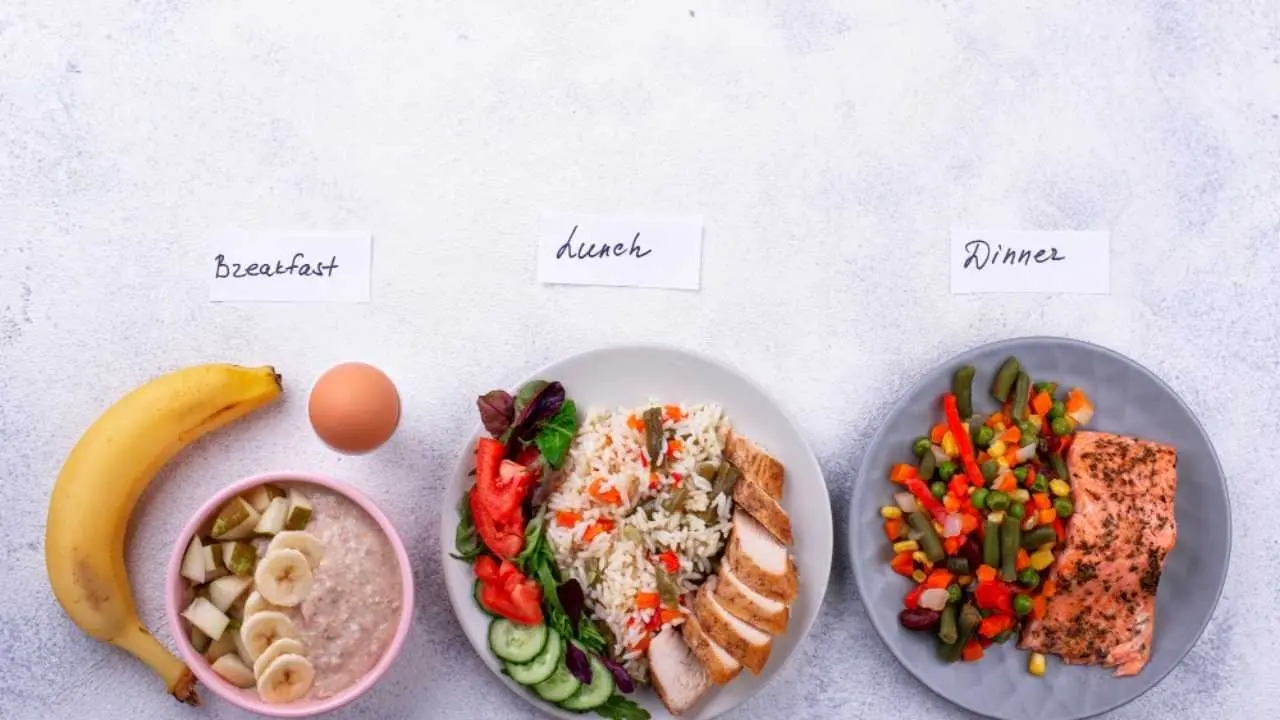
The Ideal Number of Daily Meals: Finding Your Healthiest Routine
Growing up, many of us were taught different eating habits. While some insist that three meals a day is optimal, others advocate for five or six smaller meals to avoid hunger pangs. In today’s fast-paced world, many individuals skip meals due to time constraints.
With a myriad of opinions, it’s essential to ask: What is the healthiest number of meals to consume daily?
The reality is straightforward — there's no universal eating schedule. Every individual possesses unique lifestyles, digestive systems, hunger cues, work demands, and health considerations. Ultimately, the key is whether your meal schedule ensures sufficient energy, comfort, and prevents overeating.
This article provides an insightful overview of how meal frequency impacts health and offers guidance on tailoring an eating routine that aligns with your life.
The Importance of Meal Frequency
Your body requires consistent fuel to maintain energy levels. Overloading on food in a single sitting can leave you feeling sluggish, while under-eating may lead to weakness and increased cravings later on.
Meal frequency influences:
-
Energy levels
-
Hunger satisfaction
-
Weight management
-
Focus and concentration
-
Quality of sleep
-
Digestion efficiency
Hence, selecting the appropriate meal routine is more crucial than many realize.
Common Eating Patterns to Consider
1. Traditional Three Meals a Day
This conventional structure encompasses breakfast, lunch, and dinner.
Advantages:
-
Straightforward and manageable
-
Fits seamlessly into academic and work schedules
-
Allows time for adequate digestion
-
Minimizes unnecessary snacking
Best for:
This pattern is most effective when starting the day with a substantial breakfast, enjoying a balanced lunch, and having a lighter dinner.
2. Smaller Meals Throughout the Day
Many opt for eating several small meals spaced throughout the day.
Benefits include:
-
Maintains stable blood sugar levels
-
Mitigates sudden hunger spikes
-
Prevents excessive eating
-
Aids those who regularly exercise
-
Contributes to muscle maintenance
Best suited for:
-
Fitness enthusiasts
-
Individuals with physically active professions
-
Those who frequently feel hungry
-
People seeking consistent energy
Always ensure that these smaller meals are nutritious, rather than indulging in unhealthy snacks.
3. Eating Twice Daily
Some individuals choose to eat just twice a day, typically comprising a late morning meal and an early evening meal, which aligns with intermittent fasting.
Advantages:
-
Can lead to reduced overall caloric intake
-
Offers the digestive system prolonged rest
-
May promote weight reduction
-
May assist in blood sugar regulation
Best for:
-
Those not feeling hungry during mornings
-
Individuals adhering to fasting protocols
-
Anyone focused on weight management
However, this approach may not be ideal for everyone, particularly those with health concerns such as diabetes or those leading very active lifestyles.
Identifying the Right Meal Routine for You
Listen to your body; it will signal if your meal frequency is appropriate:
-
You experience sustained energy
-
You seldom encounter extreme hunger
-
You don’t often crave junk food
-
Your digestion remains efficient
-
Your sleep is restful
-
You avoid overeating during dinner
If your experience contradicts these signs, it's time to reassess your meal strategy.
Your Personal Meal Recommendations
Here are tailored suggestions based on your daily activities:
For office professionals:
Three meals + one light snack
(like an apple or a handful of almonds.)
For athletes and active individuals:
Five to six small meals, distributed throughout your day.
For those aiming to lose weight:
Two to three meals, depending on feelings of hunger and levels of physical activity.
For students:
Three meals + one or two healthy snacks, as they require more energy for growth.
For people with specific health concerns:
Small meals every 3–4 hours to manage health conditions effectively.
It's crucial to tailor your meal count to fit your personal needs, instead of conforming to someone else's plan.
Why Breakfast is Non-Negotiable
Regardless of your chosen pattern, ensuring a nutritious breakfast greatly benefits your day.
A balanced breakfast should feature:
-
Protein sources (like eggs, yogurt, or legumes)
-
Fiber from whole grains or fruits
-
Healthy fats (such as avocados or seeds)
Skipping breakfast can result in:
-
Fatigue
-
Increased later intake
-
Irresistible cravings
-
Nervousness
-
Subpar focus
Helpful Meal Timing Tips
-
Fuel your body within 1–2 hours upon waking
-
Allow 4–5 hours between main meals
-
Avoid extreme hunger
-
Drink water prior to meals
-
Opt for lighter dinners
-
Cease eating at least 2 hours before you sleep
These small modifications can aid digestion and support weight maintenance.
There's no definitive answer to the question of how many meals per day are healthiest. Some thrive on two, while others benefit from three or more small meals. The most suitable approach is the one that keeps you energetic, promotes smooth digestion, and maintains hunger in check.
The ideal eating routine should:
-
Enhance your energy
-
Decrease cravings
-
Support fitness endeavors
-
Be compatible with your lifestyle
-
Maintain a healthy weight
The takeaway is clear — tune in to your body’s responses and adopt a meal routine that organically fits your needs.
Disclaimer
This article serves as general information and is not a substitute for professional medical advice. Nutritional requirements differ among individuals. If you have existing health concerns or if you're on medication, consult a healthcare provider before making dietary changes.