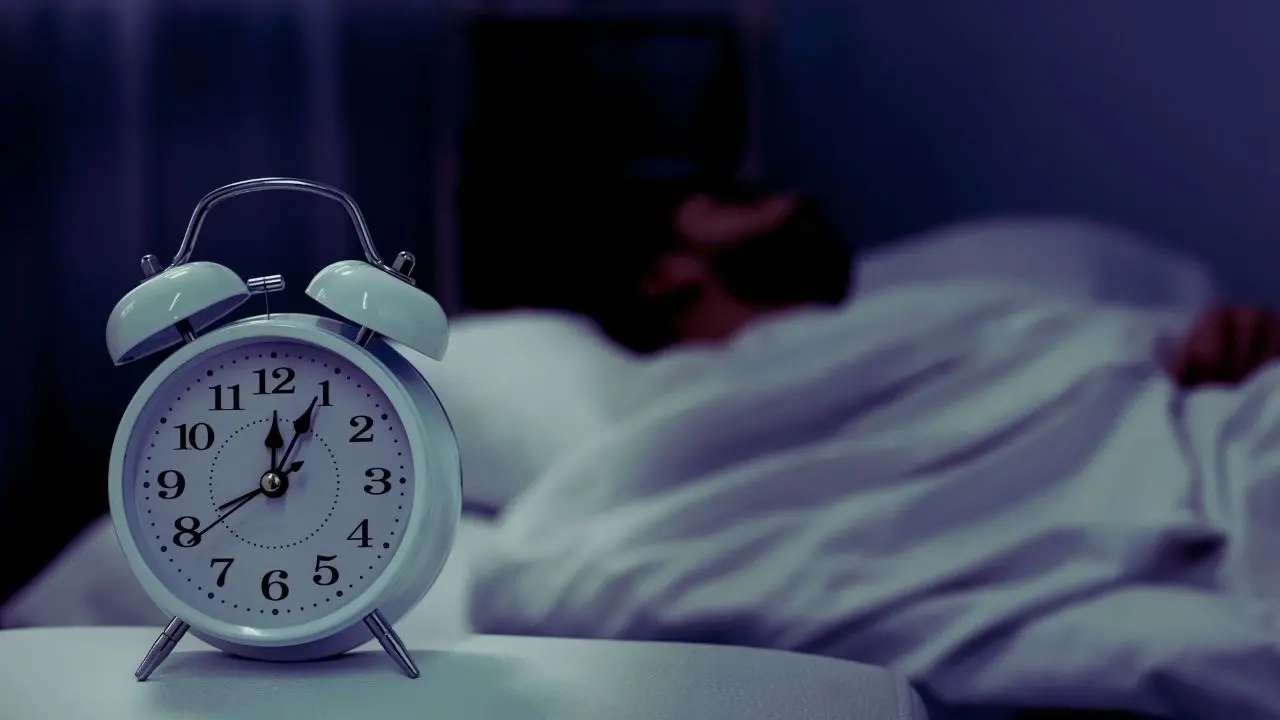
A World in Sleeplessness
The act of sleeping, once something we took for granted, has morphed into a daunting challenge for countless individuals. From different corners of the globe, people find themselves awake through the night, whether it's due to scrolling on their devices, fretting over the day's events, or simply being unable to drift off. What was once brushed aside as mere stress has escalated into a significant global health crisis.
Healthcare professionals now argue that the lack of sleep transcends medical concerns, manifesting as a lifestyle epidemic intertwined with contemporary living. The repercussions extend beyond mere fatigue; chronic sleep deprivation is associated with an array of serious ailments, including heart disease, diabetes, anxiety, obesity, compromised immunity, and a decrease in life expectancy. Alarmingly, many young individuals today are growing up without an understanding of what constitutes healthy sleep.
This predicament doesn't discriminate; it affects individuals across various nations, economic classes, urban lifestyles, and rural communities. With the incessant distraction of screens and the demands of work invading our personal spaces, sleep has become increasingly elusive.
Thus, we must ponder not if people are struggling to sleep, but rather:
What is responsible for the collective breakdown of sleep among almost everyone?
The Hidden Crisis of Health
Sleep deprivation operates beneath the surface. Unlike more evident health crises, it infiltrates day-to-day life, rendering exhaustion the new baseline.
The medical community now views insufficient sleep as perilous as unhealthy habits like smoking. Nonetheless, society continues to romanticize sleeplessness as a hallmark of dedication and ambition. In truth, this continuous lack of sleep is slowly eroding both physical and mental well-being.
Hospitals are reporting an increase in fatigue-induced accidents, psychologists note a rise in emotional volatility and burnout, while cardiologists warn that sleep deprivation is hastening heart complications among younger patients.
Rest is not simply a pause; it's an essential mechanism for biological renewal. When disrupted, our internal systems begin to falter.
Exploring the Roots of the Global Sleep Crisis
The Assault of Digital Devices
The rampant use of devices in our bedrooms has transformed the night into another shift for our minds. The blue light from screens diminishes melatonin production, hindering our ability to fall asleep.
However, it's not just the light that poses a risk; the constant stimulation does.
Our evenings have shifted to accommodate stress brought on by digital communication, entertainment, or endless scrolling. Instead of winding down, our brains stay hyper-stimulated, potential sleep time delayed by mental overload.
Bedrooms, once spaces reserved for sleep, have devolved into technology hubs.
Work Culture's Nighttime Imposition
Once defined, the concept of "after-hours" seems almost obsolete. Remote work blurs the distinction between office duties and home life. Last-minute emails flood in, project deadlines intrude into our private moments, and the anxiety of falling behind propels us into productivity in the middle of the night.
Across various industries, the normalization of overworking has detrimental effects. Individuals often sacrifice sleep to demonstrate commitment. Yet, fatigued employees tend to make poor decisions, show diminished productivity, and lack creativity. Consequently, we face a workforce that is busy, but entirely burnt out.
Sleep is often viewed as an option—until our bodies finally compel us to prioritize it.
Chronic Anxiety Strains Sleep Patterns
With endless financial strains, political unrest, and climate emergencies bombarding us, we are constantly exposed to negativity.
The mind cannot differentiate between real and perceived threats; it reacts similarly in both scenarios. Continuous media consumption keeps stress hormones elevated, obstructing deep sleep.
People find themselves mentally on high alert even while lying in bed, imagining dangers lurking in the shadows.
This condition transcends mere insomnia.
This is emotional saturation.
Disrupted Lifestyles Disturb Circadian Rhythms
Midnight meals. Variable work shifts. Late nights paired with early wake-ups.
Modern routines clash with our bodies' innate rhythms.
The circadian rhythm governs critical bodily functions including sleep-wake cycles, hormone regulation, digestion, and body temperature. Yet, continuous disruptions can lead to chaos. People find themselves alert when they should be sleeping and fatigued during the day—a complete reversal of natural order.
The body does not adapt well to such continuous upheaval, resulting in a decline in sleep quality.
Who Faces the Brunt of This Crisis?
Young People
This generation of youth faces unprecedented levels of sleep deprivation. Early school schedules, heavy use of technology, academic pressure, and social dynamics rob them of much-needed rest.
The consequences of insufficient sleep at a young age influence everything from memory and learning to emotional stability and long-term health. What begins as fatigue can morph into deeper psychological or metabolic issues.
Working Adults
Extended work hours paired with performance stress leave many adults physically drained but mentally wired. A prevalent report is that they lie awake at night despite sheer exhaustion.
This schism between physical tiredness and mental overexcitement leads to chronic fatigue, which can't be rectified without intentional lifestyle adjustments.
Caregivers and Parents
Sleep disturbances caused by children and household responsibilities accumulate over time. The toll can manifest as depression, weakened immune function, and cognitive decline as years pass.
Excessive fatigue doesn't create heroes; it leads to unseen struggles.
Older Generations
As individuals age, sleep patterns tend to shift, but the pressures of modern life exacerbate these changes. Many older adults express dissatisfaction with disrupted sleep, early awakenings, and daytime fatigue.
Poor sleeping habits can heighten risks for falls, memory complaints, and cardiovascular disease in older adults.
The Unspoken Health Hazards
Cardiovascular Issues
During sleep, blood pressure dips, allowing blood vessels to recuperate. Chronic sleep deprivation keeps the body in a constant state of stress.
This heightened state leads to increased heart strain, inflammation, and elevated stroke risk.
Weight Gain and Metabolic Disruption
Inadequate sleep skews hunger hormones. As fatigue sets in, individuals gravitate towards unhealthy comforts, increasing intake of sugars, fats, and stimulants.
Energy drops lead to overeating—not from hunger, but from sheer exhaustion.
Mental Health Challenges
Lack of sleep intensifies feelings of anxiety and depression. As fatigue sets in, emotional resilience crumbles.
This condition can be both a trigger and a result of mental health complications.
Immunocompromised States
Those who experience insufficient sleep become sick more frequently and take longer to recuperate.
Sleep is when the immune system repairs itself. In its absence, illness proliferates.
The Misguided Notion of Pushing Through
Our society venerates fatigue.
“Sleep when you achieve success.”
“I’ll catch up on sleep later.”
“I can manage on just four hours.”
These beliefs are not commendable; they are harmful.
A focus on productivity without rejuvenation fosters burnout, illness, and emotional detachment. Sleep should not be viewed as a sign of weakness, but rather essential maintenance.
You wouldn’t operate machinery without oil.
You shouldn’t operate your body without rest.
How Individuals Can Take Action
Redefining the Bedroom
Transform your sleeping environment—make it dark, quiet, cool, and devoid of technology.
Eliminate screens.
Turn off notifications.
Reinvigorate the bedroom’s true purpose.
Regulate Your Internal Clock
Go to bed and rise at consistent times—yes, even on weekends.
Stability guides your body in understanding when to sleep.
Calm Your Nervous System
Gentle breathing exercises, reading, soft lighting, or stretching can transition your spirit from anxiety to relaxation.
Instead of screen time, prepare yourself for sleep.
Limit Evening Information Consumption
Refrain from engaging with conflict, news, or drama before bedtime.
The brain mimics the stimuli it consumes.
Value Sleep Like Medicine
Regard sleep as essential for nutrition—non-negotiable.
Deficient sleep cannot merely be compensated for later.
Our Collective Choice
The advancement of technology is inevitable. Work is unlikely to slow.
Therefore, the pursuit isn’t escaping modernity; it’s reshaping our lives.
We must make a decision:
Do we choose efficiency at the expense of our well-being?
Or do we advocate for progress that prioritizes human health?
Sleep isn't obsolete—it's vital.
Should the global community fail to respect sleep, this epidemic will persist, wreaking havoc in silence and affecting countless lives.
Final Thoughts: Rest Is a Matter of Survival
Sleep is not a reward we earn at day’s end.
It's an instinctual need, as crucial as air and water.
While this crisis may lack visible indications—no alarms or closures—its repercussions will resonate through generations.
The world might be alert.
Yet humanity finds itself in a state of exhaustion.
Disclaimer:
This article is for informational purposes only and should not substitute for medical advice. Individuals facing ongoing sleep issues should seek consultation from a qualified healthcare provider for accurate diagnosis and treatment.