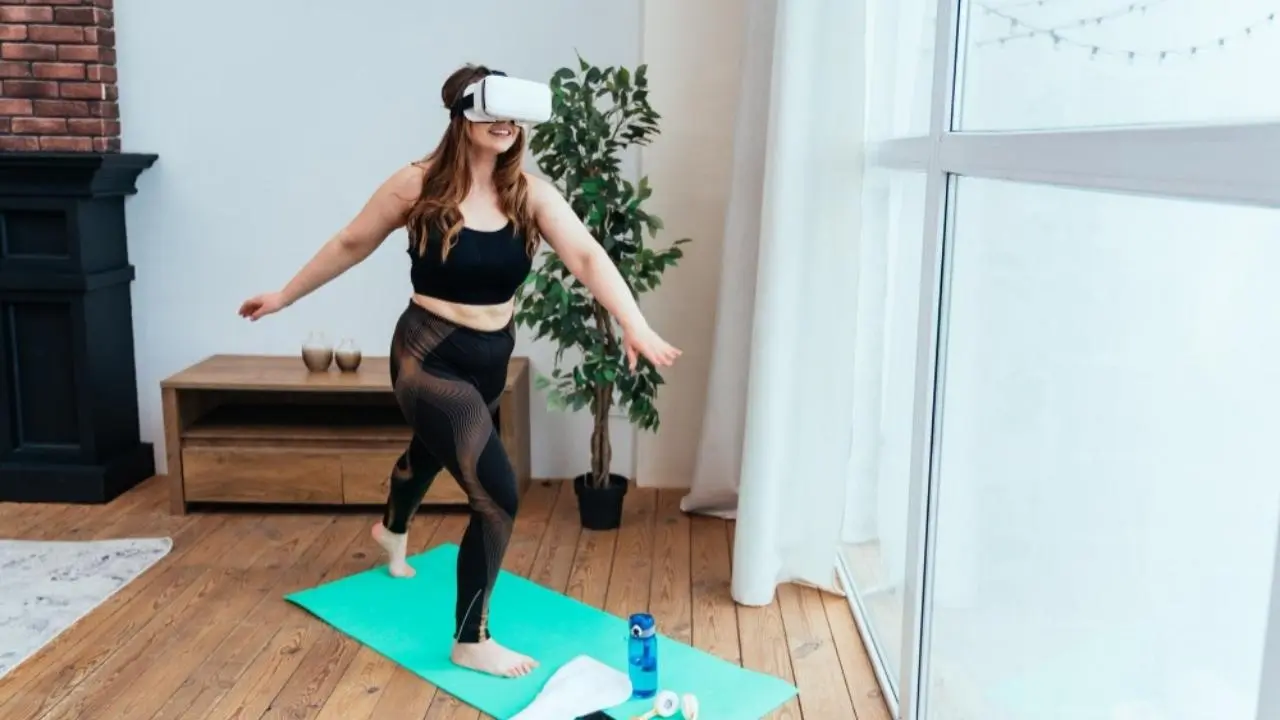
The Future of Fitness: How AR and VR Are Revolutionizing Home Workouts
For years, many believed effective fitness could only occur within the confines of a gym—filled with heavy equipment, trainers, and lengthy regimes. However, recent advancements in technology are swiftly changing that perception. Today, Augmented Reality (AR) and Virtual Reality (VR) are redefining fitness experiences, allowing individuals to turn their homes into exciting workout environments.
With more individuals opting for home workouts due to hectic schedules, long commutes, and expensive gym memberships, there arises a risk of routines becoming monotonous. The introduction of AR and VR breaths new life into these workouts, transforming them into playful, engaging activities rather than mere chores. This evolution has led to the emergence of what is now referred to as the 'gaming gym,' pointing towards a promising shift in home fitness.
Why AR and VR Transform Our Workout Experience
The primary hurdle in fitness is maintaining motivation. Repeating the same exercises can lead to disinterest over time. AR and VR provide a refreshing approach by infusing excitement into workouts.
Here’s how these innovative technologies invigorate fitness:
1. Making Workouts Enjoyable
Using VR, you don’t just move your limbs. You can be engaged in:
-
boxing in a digital arena
-
trekking up a snowy peak
-
grooving with a virtual instructor
-
playing tennis in a digital court
-
battling robots
-
discovering new worlds
As each action becomes part of a game, participants often find themselves exercising longer, captivated by the experience rather than fixating on effort.
2. No Need for Massive Equipment
A significant reason many shy away from exercising is the lack of available space. AR and VR workouts cater perfectly to those in small living situations. Most routines typically require:
No extensive equipment or elaborate setups are needed. Just grab your essentials and get started.
3. Personalized Workout Plans
AR and VR systems monitor your speed, balance, and heart rate in certain instances, allowing them to tailor workouts to your capabilities.
For instance:
-
Beginners receive lighter exercises
-
Regular exercisers face tougher challenges
-
Athletes encounter intense workouts
This customization ensures each session aligns with your personal fitness level.
4. Engaging Full-Body Workouts
VR games usually involve movements like:
-
jumping
-
squatting
-
punching
-
bending
-
side-stepping
-
stretching limbs
Such activities engage the entire body. Some research indicates that 30 minutes of VR workouts can equate in calorie burn to running, yet it feels significantly more enjoyable.
5. Perfect for Easily Bored Individuals
A common reason why people abandon exercise is the static nature of routines. AR and VR combat this by introducing:
This variety ensures each workout feels distinct and keeps the mind engaged.
How AR Integrates Fitness into Daily Life
While VR immerses you in a digital landscape, AR overlays digital elements onto your existing environment.
For example:
-
a virtual coach appearing in your living space
-
glowing targets appearing on your walls
-
AR yoga apps guiding your form
-
AR sports apps placing goals around you
This fusion of real-world and digital interaction makes workouts captivating while maintaining a connection to reality.
Why All Ages Embrace AR and VR Workouts
Kids:
Thanks to the immersive nature of games, exercise becomes instinctive and enjoyable.
Adults:
AR and VR help alleviate stress while injecting excitement into regular routines.
Seniors:
Gentle VR exercises improve balance, instill confidence, and promote light movement safely.
Owing to their adjustable nature, these workouts cater to nearly every fitness capability.
Beyond Physical Fitness
AR and VR workouts aren't solely beneficial for physical health but also enhance mental wellness.
Mental Health
They elevate mood, diminish stress, and help clarify thoughts.
Focus
Interactive activities enhance concentration, rapid thinking, and responsiveness.
Confidence
Achieving progress through scores, achievements, or level-ups fosters self-esteem and motivation.
Privacy
For those who find traditional gyms intimidating, exercising at home offers comfort and privacy.
These advantages create a comprehensive fitness approach that supports both mental and physical health.
A Playful Future for Home Workouts
Experts predict an expansion of AR and VR fitness technologies. In upcoming years, we may witness:
-
AI-integrated VR trainers
-
full-body sensors capable of tracking every motion
-
AR mirrors correcting postures
-
global virtual workout competitions
-
realistic sports simulations in VR
-
bespoke fitness plans crafted by intelligent systems
Such advancements will make home workouts as effective as conventional gym sessions—minus the travel hassle or crowded environments.
Why AR and VR Workouts Are Here to Stay
Today's fitness enthusiasts seek workout regimens that are:
-
enjoyable
-
accessible
-
adaptable
-
cost-effective
-
absorbing
-
efficient
AR and VR encapsulate all these benefits, making workouts something to anticipate rather than dread.
AR and VR are revolutionizing the landscape of home fitness. They eliminate tedium, enhance enjoyment, and provide tailored routines that accommodate every lifestyle. The gaming gym is far more than a passing fad—it's indicative of a transformative shift that seamlessly weaves together technology, movement, and entertainment.
For those grappling with consistency or in search of an engaging workout method, AR and VR workouts provide the ideal solution. Fitness has become more enjoyable, affordable, and innovative—all from the comfort of home.
Disclaimer
This article yields general insights into AR and VR fitness trends and is not a substitute for expert medical or fitness advice. Prior to engaging in any new exercise regimen—including AR or VR workouts—individuals with health conditions, injuries, or dizziness concerns should consult a physician or qualified fitness professional. Results may vary based on individual health and usage of devices.