Photo:Reuters
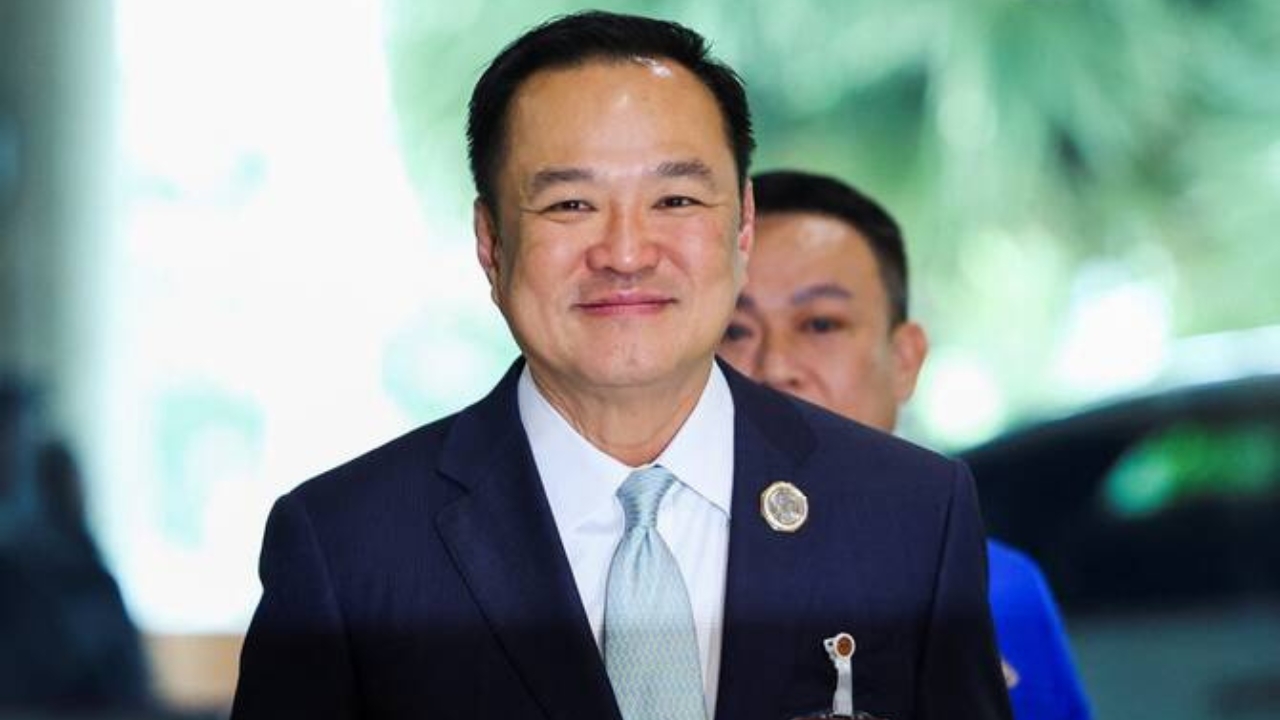
Thailand’s political scene has been in constant flux during recent years, marked by swift changes in leadership, court rulings, and shifting alliances. On September 5, 2025, a significant new chapter began with the appointment of Anutin Charnvirakul as Thailand’s prime minister. This article takes a comprehensive look at Anutin’s background, political journey, his ascent during a turbulent period, and the challenges awaiting his leadership—all presented in clear, accessible language.
Background and Early Life
Anutin Charnvirakul was born in Bangkok in 1966 into a family well established in both politics and business. His father, Chavarat Charnvirakul, was a prominent political figure who served as Thailand’s interior minister. The family also amassed substantial wealth through their construction business, Sino-Thai Engineering and Construction PCL, which has completed major government projects including the Suvarnabhumi Airport in Bangkok. Anutin graduated with an engineering degree from Hofstra University in New York and initially joined the family firm, becoming its managing director in 1995.
His dual experience in business and politics has shaped his pragmatic and cautious approach. Known by the nickname "Noo," Anutin is also an avid pilot and enjoys activities such as playing the saxophone, reflecting a multi-faceted personality beyond politics.
Political Career and Cannabis Legalization
Anutin’s political career began in earnest during the early 2000s with the Thai Rak Thai party, linked to former prime minister Thaksin Shinawatra. However, the 2006 military coup, which removed Thaksin from power, reset the political landscape. Anutin then took leadership of his own Bhumjaithai Party, which operates primarily from Thailand’s northeastern Isan region—a vast and largely rural area known for its distinct culture and political influence.
His most notable achievement in recent years was championing the legalization of medical cannabis in Thailand during his tenure as health minister in the Prayuth Chan-o-cha government between 2019 and 2023. This move made Thailand one of the first Asian countries to relax cannabis laws, sparking economic opportunities and social debates. Anutin’s leadership during the COVID-19 pandemic also earned him public recognition for navigating health challenges.
Political Maneuvering and Recent Developments
In 2023, Anutin allied with the Shinawatra-backed Pheu Thai Party by becoming deputy prime minister and interior minister in a coalition government. However, this alliance proved fragile. A major crisis erupted in mid-2025 following a leaked phone conversation between then-prime minister Paetongtarn Shinawatra—Thaksin’s daughter—and Cambodia’s Senate president. The call revealed tense border issues and included remarks that angered Thai military leaders and the public. Amid the fallout, Anutin withdrew his party from the coalition, triggering a political crisis that led to Paetongtarn’s suspension and subsequent removal by the Constitutional Court for ethical violations.
In the wake of these developments, Anutin skillfully negotiated support from the opposition People’s Party to become prime minister, under the condition that Thailand will hold a national election within four months and consider constitutional reforms through a public referendum. His election marked the third change of prime minister in just two years, signaling continued political instability.
Policy Challenges Ahead
Anutin now leads a minority government at a critical time. Thailand faces numerous pressing issues: escalating border tensions with Cambodia, economic challenges including slow consumer spending and household debt, and ongoing debate about constitutional reforms. The People’s Party, which supports Anutin’s government without formally joining it, presses for significant changes aimed at reducing the military’s political power and increasing democratic freedoms.
Although a conservative and staunch royalist himself, Anutin’s pragmatic reputation and his ability to navigate alliances across political divides may serve him well in balancing competing interests. His government will need to stabilize the economy, ensure national security, and manage the expectations of a diverse population eager for political reform and economic improvement.
Significance of Anutin’s Premiership
Anutin’s rise reflects the evolving complexity of Thai politics, where power brokers like his Bhumjaithai Party play a pivotal role in coalition building. The sidelining of the Shinawatra family—a dominant political force since 2001—underscores shifting dynamics in Thailand’s governance. While Anutin is viewed as a relatively moderate and pragmatic leader, his success will heavily depend on his skillful management of fragile political alliances and the public’s demand for accountability and progress.
His journey from business magnate to cannabis reform advocate to prime minister illustrates a leader shaped by varied experiences. This multifaceted background may enable him to address the economic and social challenges facing Thailand today with fresh perspective and adaptability.