In a significant move towards sustainable energy, the Thai government is fast-tracking policies to enhance the uptake of solar rooftop technologies for households and businesses. This initiative forms part of a broader strategy to lower electricity costs, boost energy efficiency, and foster environmentally friendly urban growth across the nation.
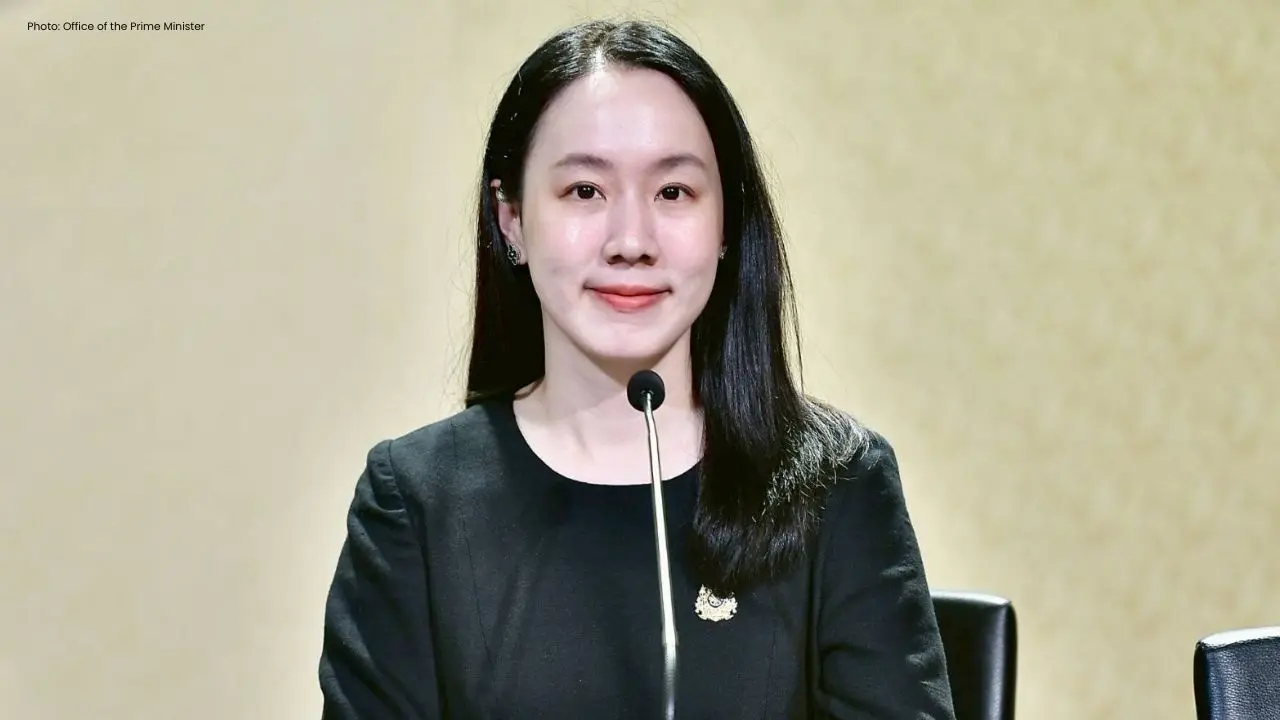
As stated by Ms. Lalida Periswiwatana, Deputy Spokesperson for the Prime Minister’s Office, the government, led by Prime Minister Anutin Charnvirakul, is committed to establishing modern energy solutions that are accessible and cost-effective for the populace. The government envisions a future where clean energy improves lives without imposing further financial burdens.
Deputy Interior Ministers Polpeerap Suwannachawi and Worasit Liengprasit recently toured the Metropolitan Electricity Authority's headquarters in Bangkok to convey directives regarding clean energy and electricity cost mitigation strategies. Officials emphasized the necessity of developing efficient services that enable easier public access to renewable energy solutions, particularly solar rooftops.
The Metropolitan Electricity Authority has been tasked with exploring strategies to decrease electricity production costs and overall consumer energy expenses. Authorities have also been urged to accelerate support for solar rooftop installations in residential and commercial settings. Officials reiterated the importance of pricing clean energy solutions affordably, ensuring they deliver long-term savings, not financial burdens.
A major part of this initiative is the introduction of a “One Stop Service” system for solar rooftop installations, set to debut by May this year. This service aims to streamline the installation process for citizens, providing consultation, permit applications, electricity connections, loan integration, and post-installation support within a unified platform. This project collaborates closely with the Provincial Electricity Authority to guarantee accessibility nationwide.
Additionally, the government encourages both the MEA and PEA to enhance service quality and bolster public trust in renewable energy systems. This includes a focus on safety standards, warranty services, and long-term maintenance support, while also seeking to minimize installation and operational costs to broaden access to clean technologies.
In parallel with the expansion of solar rooftops, Thailand is also advancing smart energy infrastructure projects. These encompass Smart Metro Grid systems, smart electricity meters, underground power cabling ventures, and electric vehicle charging stations. Officials advocate that these developments will enhance public safety, modernize urban landscapes, boost tourism, and solidify the nation’s long-term energy and economic resilience.