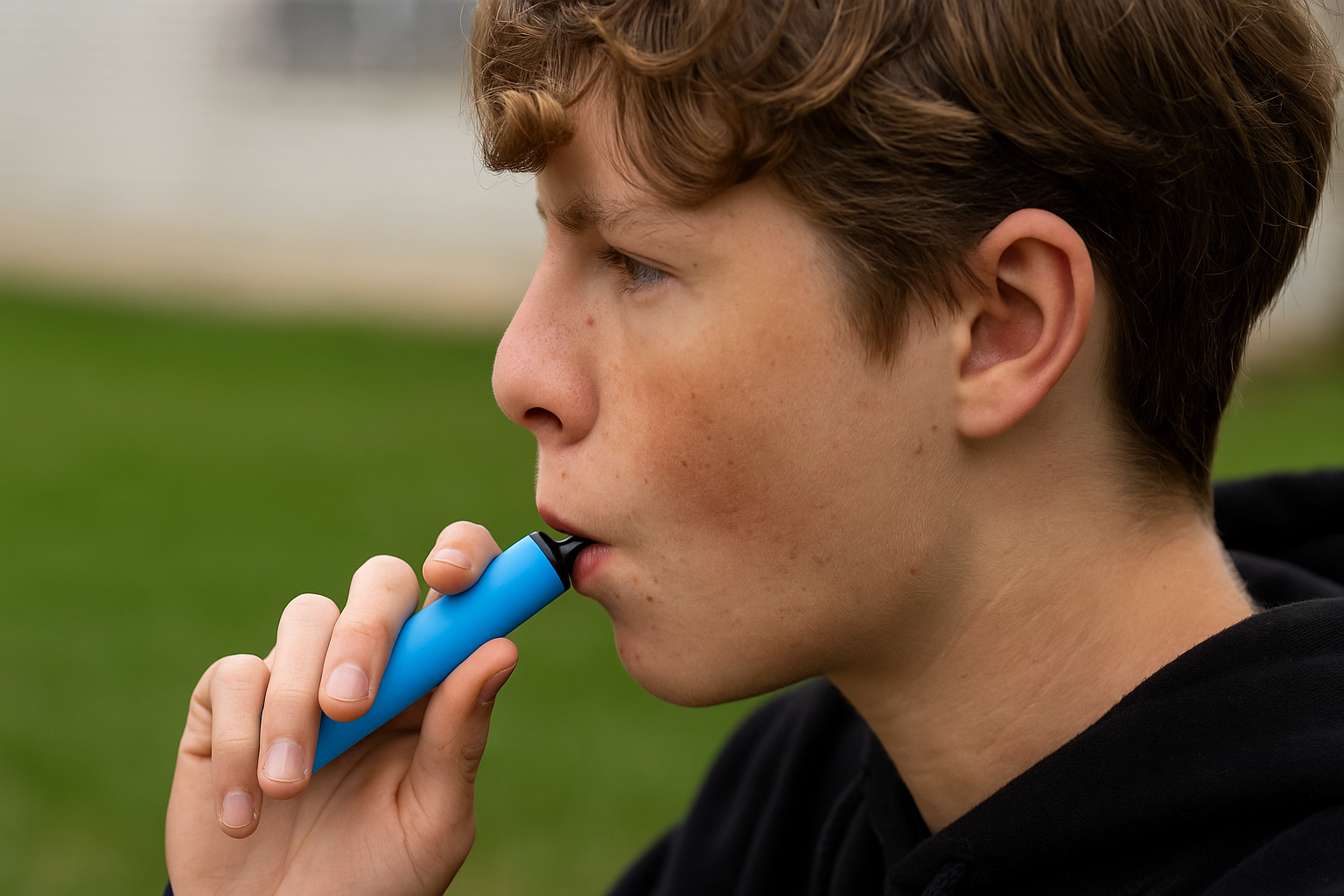
Health officials across Canada are sounding the alarm over what they describe as a massive and tragic rise in teen vaping. The popularity of e-cigarettes among young people has grown so rapidly that it is now considered one of the country’s most urgent public health challenges.
A Growing Epidemic
In schools from Ontario to British Columbia, teachers and parents are reporting that vaping has become part of everyday life for many teenagers. What began as a trend marketed as a safer alternative to smoking has turned into an epidemic of nicotine addiction among youth. Health experts say the sleek design, fruity flavours, and discreet nature of vapes have made them particularly attractive to teens.
Dr. Chris Mackie, a public health official in London, Ontario, described the issue as both "massive and tragic," pointing to the long-term health effects of vaping that are still not fully understood. "We know that nicotine is extremely addictive, and what we are seeing is a new generation of Canadians becoming dependent," he warned.
Why Teens Are Drawn to Vaping
One of the reasons for the surge in teen vaping in Canada is the way e-cigarettes are marketed. Flavours such as mango, bubblegum, and mint appeal to young users who might never have considered smoking traditional cigarettes. Social media has also played a role, with vaping often glamorized in short videos and peer-driven content.
For teens, vaping is often seen as socially acceptable or even fashionable. The devices are easy to hide, making them harder for parents and teachers to detect. The result has been a surge in underage use that health authorities are now racing to control.
Health Risks and Unknowns
Medical professionals emphasize that vaping is not harmless. While marketed as less dangerous than smoking, e-cigarettes still deliver nicotine, which affects brain development in teenagers. Doctors have also raised concerns about lung damage, heart disease, and the unknown risks of long-term use.
"We are essentially conducting a massive experiment on Canadian youth," said one pediatrician. "We won’t fully know the consequences of widespread teen vaping for years, but early signs are worrying."
Schools Struggle With Enforcement
Educators are increasingly caught in the middle of the vaping crisis. Many schools have installed vape detectors in bathrooms, while others have suspended or expelled students caught vaping. Yet enforcement remains a challenge. Teenagers often find creative ways to avoid detection, and the discreet size of vape pens makes them easy to conceal.
Teachers report that some students are addicted to the point of needing to leave class frequently to vape. This disrupts learning and creates a cycle that makes quitting even harder. Some schools have introduced education programs, but results remain mixed.
Calls for Stronger Regulations
Public health officials and advocacy groups are calling for stronger regulations on the vaping industry. Proposals include restricting the sale of flavoured vapes, raising the legal age for purchase, and implementing stricter advertising rules. Some provinces have already introduced tougher laws, but enforcement varies widely.
The federal government is also under pressure to take action. Health Canada has acknowledged the crisis, but critics argue that policies have not gone far enough to protect young people. Comparisons are being drawn to the early days of cigarette smoking, when the risks were underestimated and regulation lagged behind industry growth.
Parents on the Front Lines
Parents, too, are struggling to cope with the rise in teen vaping. Many say they feel powerless against the influence of peers, social media, and the addictive pull of nicotine. Family doctors encourage parents to have open conversations with their children, stressing the risks and offering support for those who may already be addicted.
One mother in Toronto described the situation as heartbreaking: "I found vape pods hidden in my son’s backpack. He is only 15. I never thought I’d have to deal with this so young."
Efforts to Reverse the Trend
Some community groups are working with schools to create awareness campaigns, while health officials emphasize prevention as the most effective strategy. Quitting once addiction has taken hold is difficult, especially for teens. Doctors recommend counselling, peer support, and in some cases, nicotine replacement therapies.
The teen vaping crisis in Canada has also become a focus of broader discussions about mental health. Experts note that stress, anxiety, and peer pressure are major drivers of vaping, and tackling these underlying issues may be key to reducing youth dependence.
Looking Ahead
The surge in vaping among teenagers raises urgent questions for Canada’s health system. Without decisive action, experts warn the country could face decades of health problems similar to those caused by tobacco. The lessons of the past are clear: waiting too long to regulate harmful substances has lasting consequences.
As the crisis grows, officials urge Canadians to stay informed and support stronger laws to protect young people. For readers seeking more in-depth coverage of health and social challenges across the region, the Cni news provides detailed analysis and reporting.
The rise of teen vaping in Canada is alarming health officials, educators, and parents alike. With nicotine addiction spreading among young people, the need for stronger action is undeniable. Until stricter regulations, better education, and more support systems are in place, Canadian teens will remain vulnerable to the powerful grip of vaping.