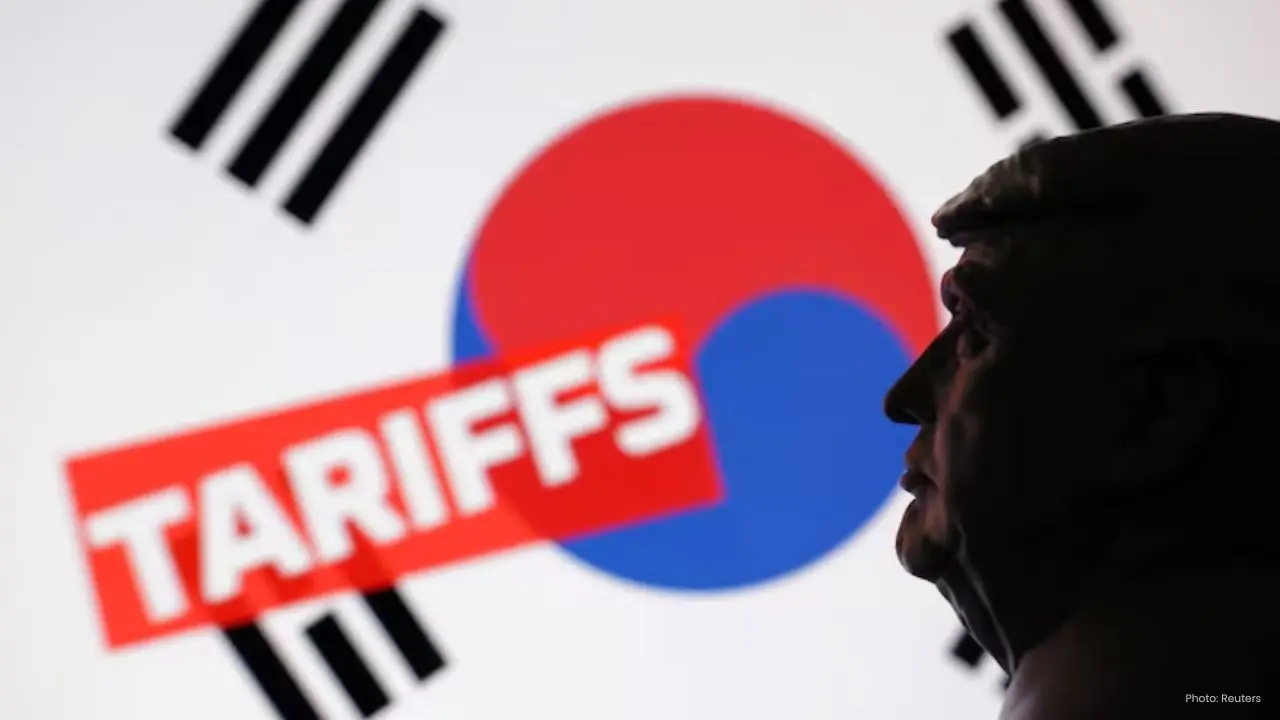
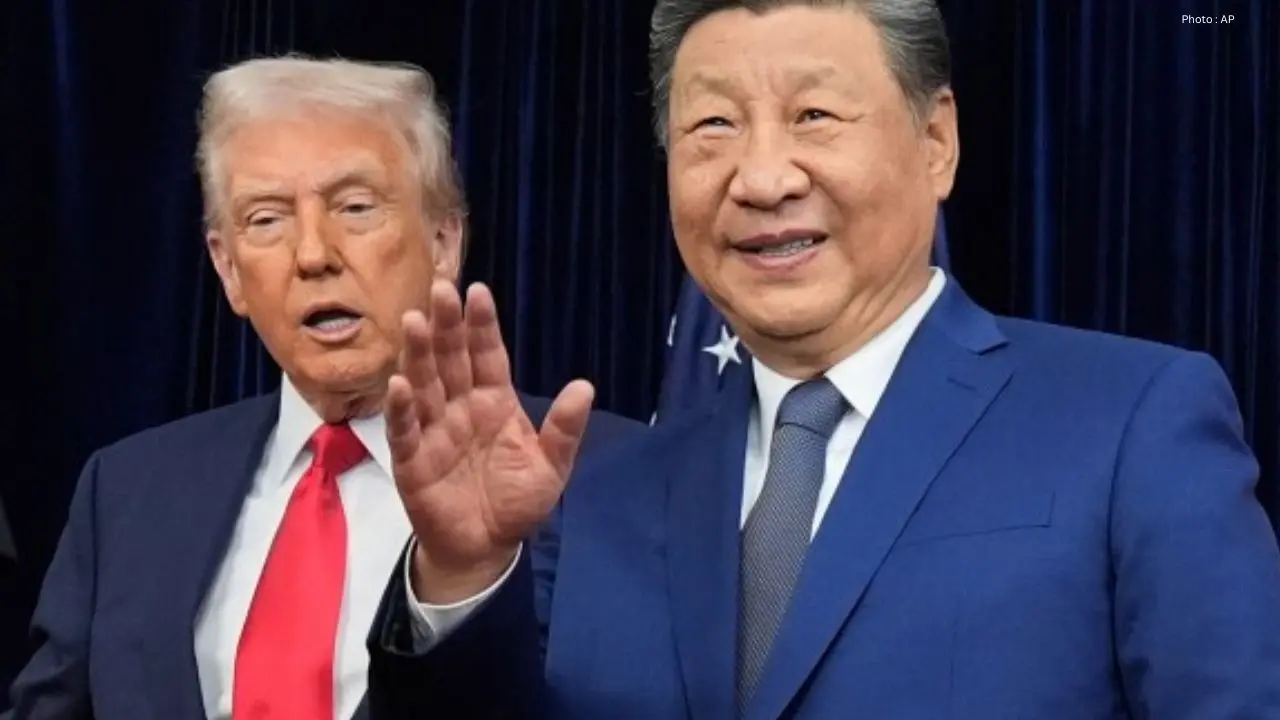
U.S. President Donald Trump has introduced a 25 percent tariff on select advanced semiconductor chips, including the Nvidia H200 AI accelerators, casting new doubts over the global semiconductor supply chain.
A White House proclamation outlined that this tariff particularly affects advanced computing chips such as Nvidia H200 and AMD MI325X as part of a broader initiative to enhance domestic semiconductor production.
However, the administration has clarified that chips intended to bolster U.S. technology supply chains or domestic semiconductor manufacturing will be exempt from this tariff.
Consequently, chips manufactured in Taiwan, such as the H200, that are sent to the U.S. and re-exported to China will incur the 25 percent tariff.
The White House also hinted at the possibility of additional tariffs on semiconductors and related products in the near future, amplifying industry apprehensions.
Impact on South Korean Chip Producers
This announcement has led South Korean semiconductor firms to reassess their vulnerabilities. The AI accelerators affected by the tariff utilize high-bandwidth memory (HBM3E) from SK hynix and Samsung Electronics.
Industry insiders noted that the immediate effect on South Korean memory manufacturers is limited; the majority of memory chips do not directly reach the U.S. Instead, they are sent to original equipment manufacturers (OEMs) in countries like Taiwan, where they are incorporated into products before entering the U.S. market.
“Memory suppliers often lack visibility on where their chips end up,” remarked an industry insider, highlighting that tariff matters are primarily handled by chip manufacturers like Nvidia.
Moreover, South Korea enjoys most favored nation (MFN) status for chip exports to the U.S. under a trade agreement between Trump and South Korean President Lee Jae Myung, ensuring Seoul will not face unfair tariffs.
Cost Pressures and Market Dynamics
Even though the direct exposure is minimal, analysts caution that increased tariffs on companies like Nvidia may have ripple effects throughout the supply chain, with manufacturers possibly passing on elevated costs to component suppliers.
Micron, based in the U.S., could feel short-term effects due to its varied manufacturing locations. However, as the policy aims to bolster the U.S. semiconductor sector, some believe it may ultimately favor Micron in the long term.
“The situation is extremely volatile,” an industry expert pointed out, noting Trump’s past unpredictable changes in tariff policies, making long-term assessments challenging.
South Korean Government's Response
In light of this development, Trade Minister Yeo Han-koo extended his stay in the U.S. to evaluate the potential impact of the new tariff on South Korea’s semiconductor sector.
The Ministry of Trade, Industry and Resources convened an emergency meeting, pledging to take all necessary measures to mitigate the impact while maintaining close dialogue with the affected sectors.