Taiwan is embarking on a pivotal technology strategy by establishing a robust and enduring partnership with the United States in the rapidly growing artificial intelligence sector. This initiative follows a newly signed trade agreement that outlines tariff reductions and a pledge by Taiwan to bolster investments in the American economy.
Vice Premier Cheng Li-chiun emphasized on Friday that artificial intelligence is critical to Taiwan’s developmental aspirations and international engagement. She stated that synergistic efforts with the U.S. could yield substantial economic and technological advantages for both nations, especially with the intensifying global competition in AI.
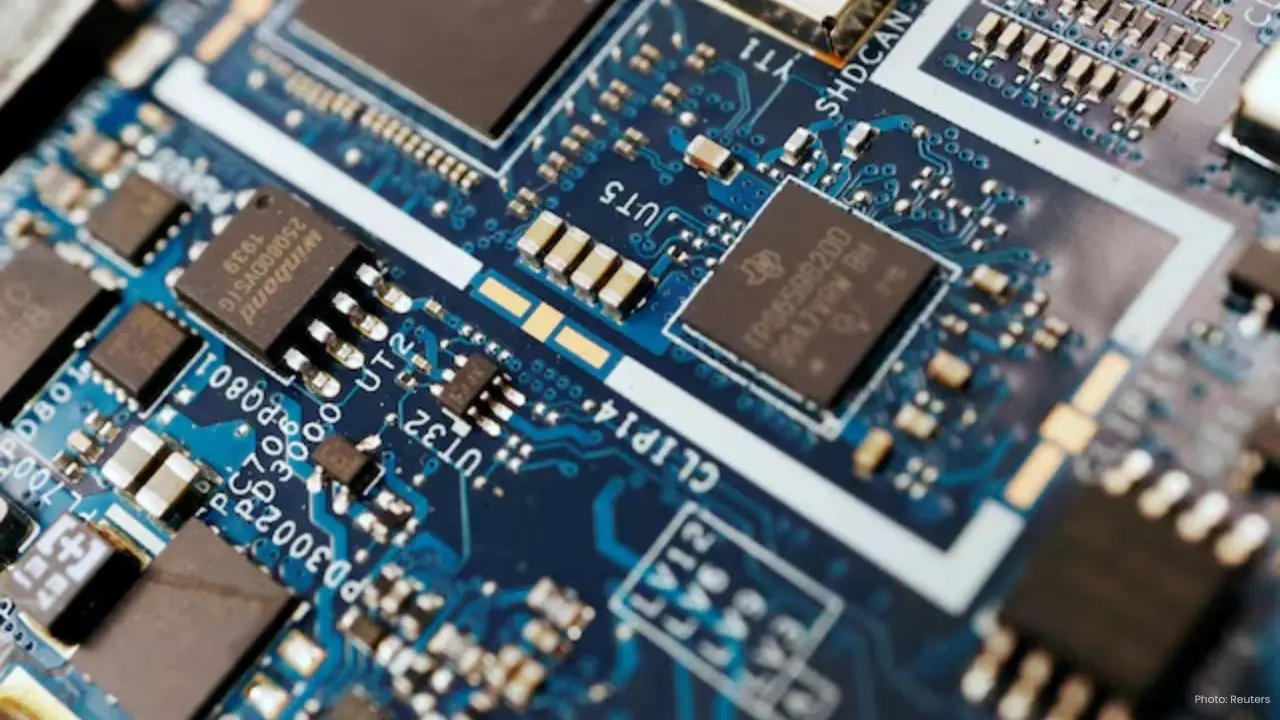
Taiwan’s leadership is confident that its world-renowned semiconductor industry positions it uniquely to assist the U.S. in achieving global supremacy in AI technology. Taiwanese manufacturers are recognized globally for producing high-performance semiconductors that empower AI applications, cloud computing, electric vehicles, smartphones, and modern defense technologies.
These comments emerge as the Trump administration amplifies demands for foreign semiconductor manufacturers to boost production capabilities within the U.S. The establishment of domestic advanced chip production is deemed a national priority, especially for those essential to artificial intelligence, amidst concerns over supply chain security and reliance on foreign manufacturing.
U.S. officials have consistently warned that interruptions in global chip supply chains could pose risks to economic stability and national security. Consequently, the U.S. administration has encouraged major producers, particularly from Asia, to deepen their investment in domestic manufacturing endeavors.
Taiwan appears poised to tackle these challenges. Cheng acknowledged the U.S. apprehensions regarding economic security and supply chain reliability and is ready to engage closely with American partners. This collaboration is expected to encompass increased investments, technology exchanges, and the strengthening of advanced semiconductor manufacturing within the U.S.
Under the recent trade agreement, Taiwan has committed to lowering tariffs and easing trade constraints between the two economies. In exchange, Taiwanese tech companies are anticipated to broaden their presence in the U.S. through the establishment of new factories, research and development centers, and the creation of numerous high-skill positions.
This push aligns with Washington’s overarching plan to repatriate critical technology production. AI chips, essential for machine learning, data infrastructures, and next-generation software, are regarded as too vital to depend solely on foreign supply chains.
Taiwanese authorities believe that fostering cooperation rather than competition is the most beneficial approach moving forward. Cheng highlighted that by synergizing Taiwan’s manufacturing prowess with U.S. innovation and market demands, both parties can secure a competitive edge in the global artificial intelligence landscape.
Artificial intelligence has emerged as a pivotal area of interest for governments globally, reshaping sectors like healthcare, finance, manufacturing, transportation, and defense. Mastery over AI technology is increasingly perceived as a significant determinant of future economic growth and geopolitical influence.
For Taiwan, fortifying AI bonds with the U.S. holds strategic implications beyond mere economics. The island, facing ongoing political and military pressures from China, views strengthened economic and technological collaboration with Washington as a pathway to enhance mutual trust and secure long-term political backing.
While Cheng refrained from disclosing specific investment metrics, she affirmed Taiwan’s commitment would be substantial and enduring. She indicated that Taiwanese companies are prepared to respond proactively to U.S. policy cues and increase production of advanced AI chips on American soil.
Experts believe this strategic approach could help both nations confront essential challenges. The U.S. would gain improved control over crucial technology supply chains, whereas Taiwan would ensure a stable and conducive environment for its companies to grow and diversify internationally.
Nevertheless, challenges persist. Constructing advanced semiconductor facilities is highly capital-intensive and time-consuming, necessitating a skilled workforce, reliable energy resources, and robust infrastructure. Taiwanese companies will require seamless coordination with U.S. federal and state authorities to navigate these challenges.
Despite the hurdles, Taiwanese leaders maintain a positive outlook. Cheng expressed confidence that Taiwan’s extensive experience in chip manufacturing, combined with U.S. prowess in innovation and research, provides a solid base for triumph in artificial intelligence.
She further stated that the collaboration will extend beyond mere manufacturing. Future joint efforts might encompass collaborative AI research initiatives, innovative application development, the establishment of global technology standards, academic partnerships, and deeper inter-company collaborations between tech firms in both nations.
This initiative mirrors a more profound global trend, where trade policies, advanced technologies, and national security concerns become increasingly intertwined. In particular, artificial intelligence has surfaced as a symbol of future power, influence, and economic governance.
By positioning itself as a pivotal AI ally to the U.S., Taiwan aspires to carve out a vital role within the global artificial intelligence framework. Officials are confident that enhanced cooperation will foster sustained economic development, technological preeminence, and closer political relationships in the forthcoming years.
In summary, Taiwan’s endeavor to forge a strategic AI partnership with the United States signifies a crucial milestone in the realignment of global technology alliances. Through tariff alleviations, increased investments, and mutual innovation aspirations, both nations aim to forge a more secure, competitive, and AI-centric future.