Taiwan remains vigilant even as Chinese warships and coast guard vessels begin to withdraw after one of China's largest military exercises in years around the island. The operation, dubbed “Justice Mission 2025,” has triggered serious apprehension in Taiwan and throughout the region regarding peace and stability.
The Chinese maneuvers saw rockets, fighter jets, warships, and coast guard assets operating in close proximity to Taiwan. During the peak of the drills, over 90 Chinese naval and coast guard vessels were active near Taiwan, the South China Sea, and the East China Sea. Taiwan's defense ministry reported that within just one day, 77 Chinese military aircraft and 25 naval and coast guard vessels were spotted around the island. Notably, at least 35 Chinese planes crossed the Taiwan Strait’s median line, an unofficial boundary aimed at reducing tensions.
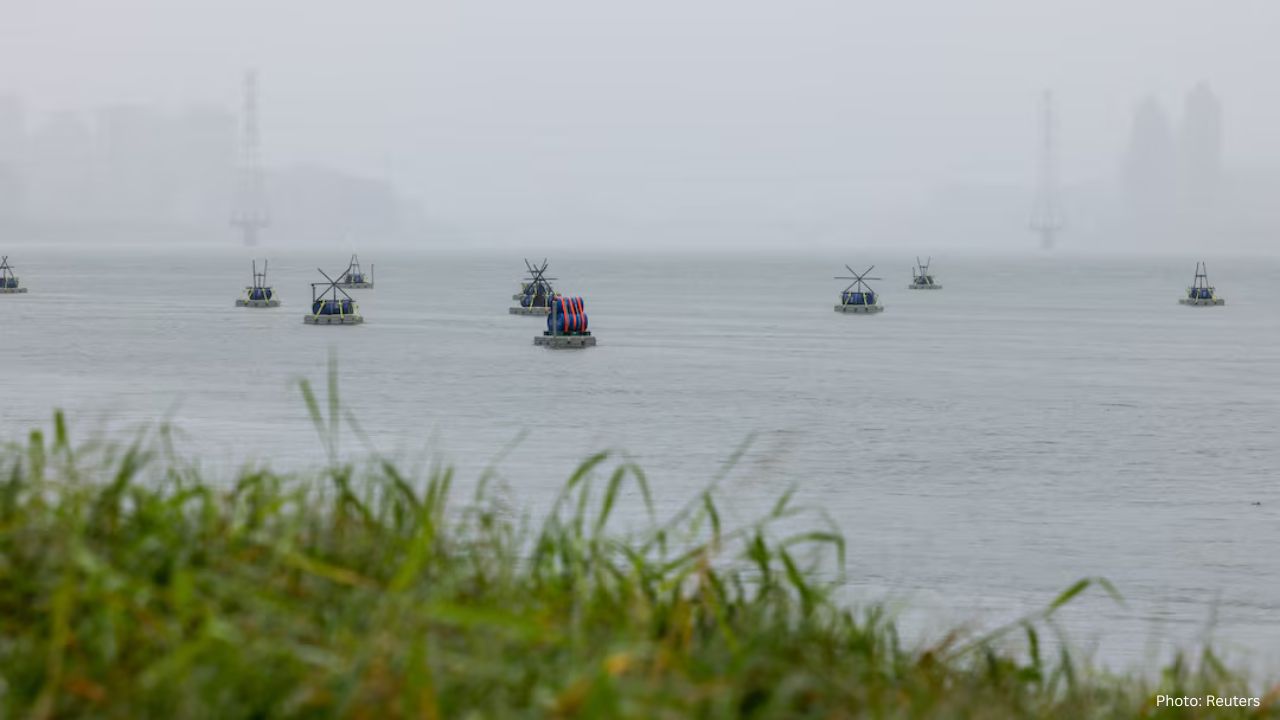
Despite the withdrawal of Chinese ships, Taiwan has maintained its state of readiness. Military and coast guard emergency response centers are operating at full capacity, with officials deeming it essential for prompt action should circumstances shift again. Taiwan also carried out its own preparedness drills, establishing barriers and positioning defensive equipment in strategic locations.
The Taiwanese government has issued strong criticisms of China’s military drills, labeling them a threat to regional security and a provocative act. Officials argue that such military pressures contribute to increased fear and uncertainty rather than fostering peace. Flights were cancelled, and residents across Taiwan closely monitored the evolving situation as the drills progressed.
In contrast, China has defended its actions, claiming the exercises were necessary to safeguard national sovereignty and warning against what it terms “Taiwan independence forces” and foreign meddling. Chinese officials characterized the drills as a stark warning, especially following the U.S.'s recent approval of a significant $11.1 billion arms package for Taiwan.
As tensions escalated, ambassadors from the Quad nations—namely the United States, India, Japan, and Australia—convened in Beijing. While specifics of their discussions remain undisclosed, the meeting illustrates increasing international apprehension regarding security in the Indo-Pacific region.
Experts opine that although China's military shows are becoming more formidable and intense, the likelihood of a full-scale war remains low due to the severe costs involved for all parties. Nonetheless, the situation is precarious. China asserts its claim over Taiwan, while Taiwan contests that assertion, functioning as a self-governed democracy.
At this juncture, the retreat of Chinese ships has momentarily eased tensions but not alleviated concerns. Taiwan's sustained vigilance reveals a troubling reality: trust is minimal, tensions are elevated, and the chance of miscalculation persists. The coming days will reveal whether dialogue or further pressure dictates the next stage in cross-strait relations.